

















Muscle Cramps: Why They Strike and Calm Ways to Ease Them
Hey, friend. You’re sleeping peacefully, or halfway through a swim, and suddenly your calf locks up like it’s auditioning for a horror film. Muscle cramps are sudden, painful and very rude, but they’re also common and usually harmless. Let’s take a calm look at why they happen and the simple things you can do to ease them and make them less likely.
What Is a Muscle Cramp?
A cramp is a sudden, involuntary tightening of a muscle that won’t relax straight away. It often hits the calves, the feet or the thighs, and usually lasts from a few seconds to a few minutes. The muscle may feel hard and knotted, and it can stay a little sore afterwards.
Why Cramps Happen
Science hasn’t fully solved the mystery, but common links include:
- Tired muscles, especially after unusually hard or long exercise.
- Not drinking enough, particularly in heat or after lots of sweating.
- Staying in one position for a long time, like sitting with legs bent or lying with toes pointed.
- Getting older, as muscle and nerves change.
- Certain medicines and health conditions, which is why frequent cramps are worth a chat with a doctor.
How to Ease a Cramp Right Now
- Stop what you’re doing. If you’re in the water, stay calm, float on your back and signal for help if needed.
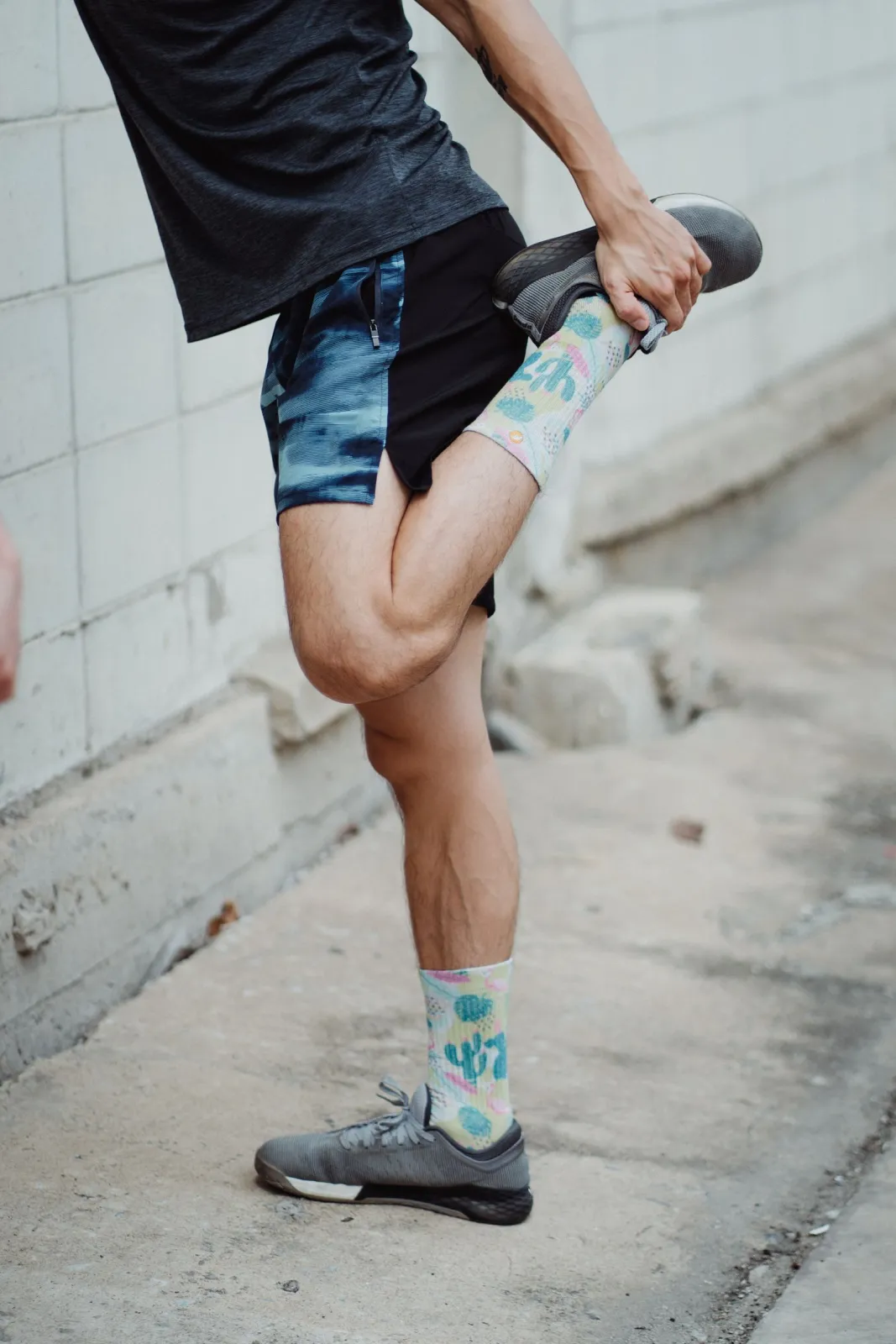
- Gently stretch the muscle. For a calf cramp, straighten your leg and pull your toes toward you, or stand and press your heel into the floor with the leg straight. For the front of the thigh, hold your ankle and bring your heel gently toward your bum. For the back of the thigh, sit with the leg straight and lean forward slowly.
- Massage it. Rub the muscle firmly with your hands to help it relax.
- Walk it out. For leg cramps, a few gentle steps can help the muscle let go.
- Use warmth afterwards. A warm towel or a warm shower can soothe the leftover tightness.
Breathe slowly through it. Panic makes everything tenser, including your muscles. Unbothered, remember?
Habits That Help Prevent Cramps
- Stay hydrated through the day, especially when it’s hot or you’re training hard.
- Warm up before exercise and cool down after. A few minutes of easy movement and gentle stretches go a long way.
- Increase training gradually. Jumping from couch to marathon is a cramp invitation.
- Stretch your calves before bed if night cramps are your nemesis: a gentle 30-second wall calf stretch on each side.
- Keep sheets loose at the foot of the bed, so your toes aren’t pushed into a pointed position all night.
- Wear supportive shoes if you’re on your feet all day.
- Eat a balanced diet with plenty of fruit, veg, whole grains, nuts, seeds and dairy or alternatives. Don’t start supplements without advice from a professional.
Cramp or Something Else?
Most cramps are harmless, but some symptoms need medical attention. See a doctor if cramps are very frequent, severe or disturb your sleep regularly, if they come with weakness, numbness or muscle wasting, or if they started after beginning a new medicine. Get urgent help if one leg is painful, swollen, warm or red, as that needs checking right away.
A cramp is your body’s dramatic way of asking for a little care: some water, a stretch, a gentler build-up. Listen kindly and it’ll usually calm right down. Zero drama. Zero judgment. Peace.
Comments
Also give your opinion.

 The Captain Look




Leave a comment