

















Box Jumps and Beyond: Plyometrics for Beginners, Babe
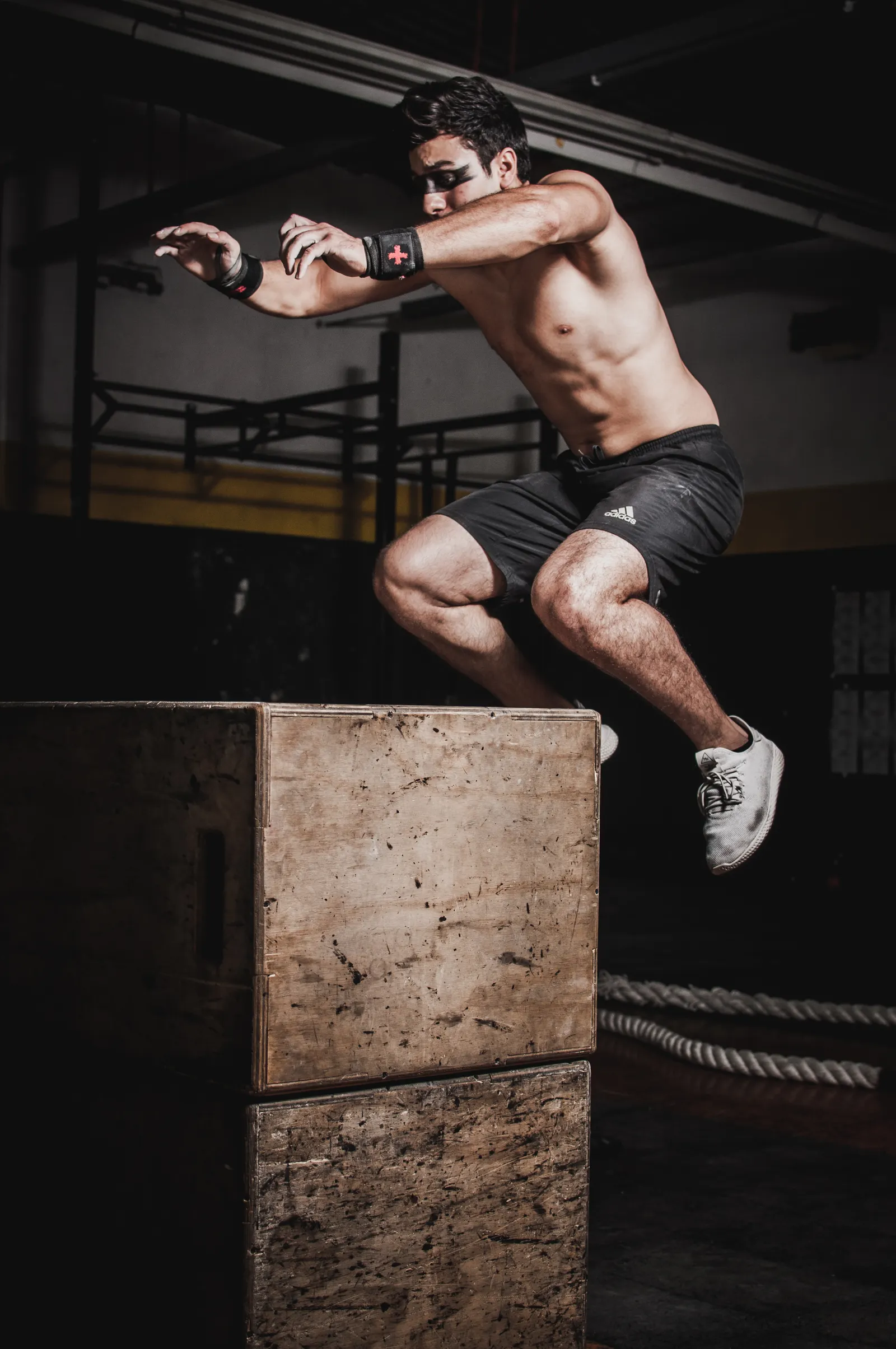
Babe, there is something so joyful about jumping. Kids do it for fun, athletes do it for power, and you can do it to build strong legs, quick reactions and a heart that can handle anything. Box jumps are the gateway to plyometrics, the training that teaches your muscles to be explosive. Let’s take off. Gotta order more protein!
What Are Plyometrics?
Plyometric exercises are quick, springy movements where your muscles stretch and then contract fast, like a jump. They train power, speed and coordination. Think jumping, hopping and bounding. Because they are high-impact, the trick is to start low, focus on landing well and build gradually.
Before You Jump
- Build a base. If squats and lunges feel shaky, spend a few weeks on basic strength first.
- Warm up properly. Five to ten minutes of light cardio and dynamic moves like leg swings and bodyweight squats.
- Choose a stable surface. Use a sturdy plyo box or a solid step that won’t slide or tip. Soft foam boxes are lovely for beginners.
- Wear supportive trainers.
Start With Landings
Before you jump up, learn to land. Stand on a low step, step off and land softly on both feet, knees bent and tracking over your toes, hips back, chest up. Freeze for a moment. Quiet landings are the goal. If you sound like a falling wardrobe, sweetie, go lower and slower.
The Box Jump, Step by Step
- Stand about an arm’s length from a low box with feet hip-width apart.
- Swing your arms back as you bend your hips and knees.
- Drive your arms forward and jump up, landing softly on the box with both feet.
- Stand tall on the box with your hips fully extended.
- Step down, one foot at a time. Don’t jump backwards off the box.
Start with a box that feels easy, around shin height. Height is not a trophy. Great form is.
Beginner Plyo Moves
- Squat jumps: squat down, jump straight up, land softly.
- Low hurdle hops: small hops forwards over a line or low object.
- Skater jumps: leap sideways from one foot to the other, like a speed skater.
- Pogo hops: small, quick bounces on the balls of your feet with stiff ankles.
- Lateral line hops: hop side to side over a line on the floor.
A Simple Beginner Session
After your warm-up:
- Box jumps: 3 sets of 5 reps
- Squat jumps: 3 sets of 6 reps
- Skater jumps: 3 sets of 6 per side
- Pogo hops: 3 sets of 20 seconds
Rest 60 to 90 seconds between sets. Plyometrics are about quality, not exhaustion. When your jumps get sloppy or slow, stop for the day.
How Often?
Once or twice a week is plenty for beginners, with at least a day of rest in between. Plyometrics fit nicely at the start of a session, after your warm-up, when your legs are fresh.
Keep It Safe
Avoid plyometrics on very hard surfaces like concrete if you can, choosing gym floors, grass or rubber matting instead. Skip them if you are tired, injured or have joint problems. Check with a doctor or physio first if you have any health concerns.
Why It’s Worth It
Power fades faster than strength as we age, so training it keeps you springy and quick on your feet. Plus, nailing your first proper box jump is a feeling of pure, sparkly victory.
Start low, land soft and let yourself fly a little, babe. Sunshine and pop divas!
Comments
Also give your opinion.

 The Captain Look



Leave a comment