

















Sneeze Less, Breathe Easy: Everyday Habits for Pollen and Dust Allergies
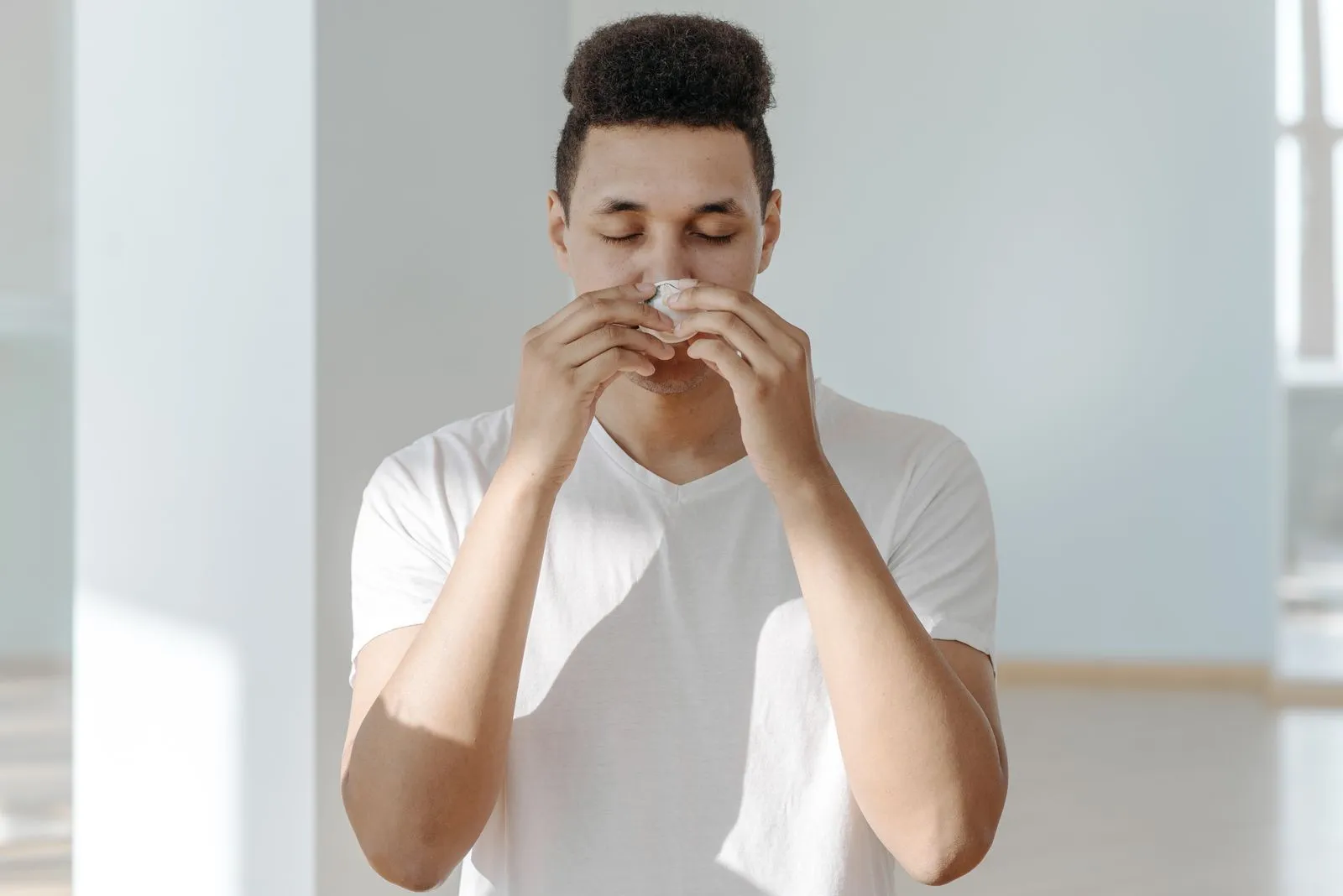
Sneezing fits, itchy eyes, a nose that cannot decide between blocked and running. If pollen, dust or pet hair get the better of you, everyday life can feel like one long tissue break. Kai here, totally unbothered, with simple habits that help you feel more comfortable at home and outdoors. Zero drama, zero judgment, just a clearer head.
A quick note first: this is general wellness advice. If your symptoms are strong, you wheeze, or you are not sure what is causing them, see a doctor or pharmacist. They can confirm what you are reacting to and suggest the right treatment for you.
Know Your Triggers
The most common everyday triggers are:
- Pollen from trees, grasses and weeds, usually worse on warm, dry, windy days.
- House dust mites, tiny creatures living in bedding, carpets and soft furnishings.
- Pet dander, the small flakes of skin from cats, dogs and other furry friends.
- Mould spores in damp bathrooms, kitchens and window frames.
Keeping a simple note of when your symptoms flare up (outdoors, in bed, at a friend’s place with a cat) helps you and your doctor spot the pattern.
On High-Pollen Days
- Check the pollen forecast in a weather app and plan outdoor time for when levels are lower, often after rain.
- Wear wraparound sunglasses to keep pollen away from your eyes. Fabulous and practical.
- Keep windows closed at the times of day when pollen is highest, and use the car’s recirculate setting while driving.
- Change and shower when you get home. Pollen clings to hair, skin and clothes. Rinse it off before you sit on the sofa or climb into bed.
- Dry laundry indoors when pollen is high, so your sheets do not collect it on the washing line.
Make Your Bedroom a Calm Zone
You spend a third of your life in bed, so this is where small changes help most.
- Wash bedding weekly at 60 degrees, which helps reduce dust mites.
- Consider allergen-proof covers for your mattress and pillows.
- Keep pets out of the bedroom if they set you off. Yes, even the very cute ones.
- Cut the clutter. Fewer cushions, throws and piles of clothes mean fewer places for dust to settle.
- Damp-dust surfaces rather than dry-dusting, which just sends particles into the air.
Around the Rest of the Home
- Vacuum regularly with a vacuum that has a good filter.
- Keep humidity moderate. Very damp air encourages mould and dust mites. Open a window after showers and cooking, and fix leaks quickly.
- Clean mould spots in bathrooms and window frames promptly.
- Consider an air purifier with a HEPA filter for the room you use most. It will not solve everything, but many people find it helps.
Soothing Simple Symptoms
- Saline nasal rinses or sprays can wash pollen and dust out of the nose. Use sterile or boiled-and-cooled water and follow the instructions.
- A cool compress on closed eyes can calm itchiness. Try not to rub them, however tempting.
- Stay hydrated. It helps keep mucus thinner and your throat more comfortable.
- Ask a pharmacist about over-the-counter options such as antihistamines, nasal sprays or eye drops. They can help you choose what suits you and check it is safe with anything else you take.
Living Well With Pets You React To
If you love animals but they make you sneeze, you are not alone. Brushing pets outdoors, washing their bedding often, washing your hands after cuddles and keeping one pet-free room can make sharing your home much easier.
When to See a Doctor
Get medical advice if over-the-counter options do not help, your symptoms disturb your sleep or work, you have wheezing, chest tightness or shortness of breath, or you have a reaction to food, stings or medicines. Allergy testing can pin down your triggers and open up more treatment options.
A few small habits and a calmer home can make a big difference. Breathe easy, darling. Unbothered. Peace.
Comments
Also give your opinion.

 The Captain Look





Leave a comment