

















New Bed, Good Sleep: How to Rest Well Away From Home
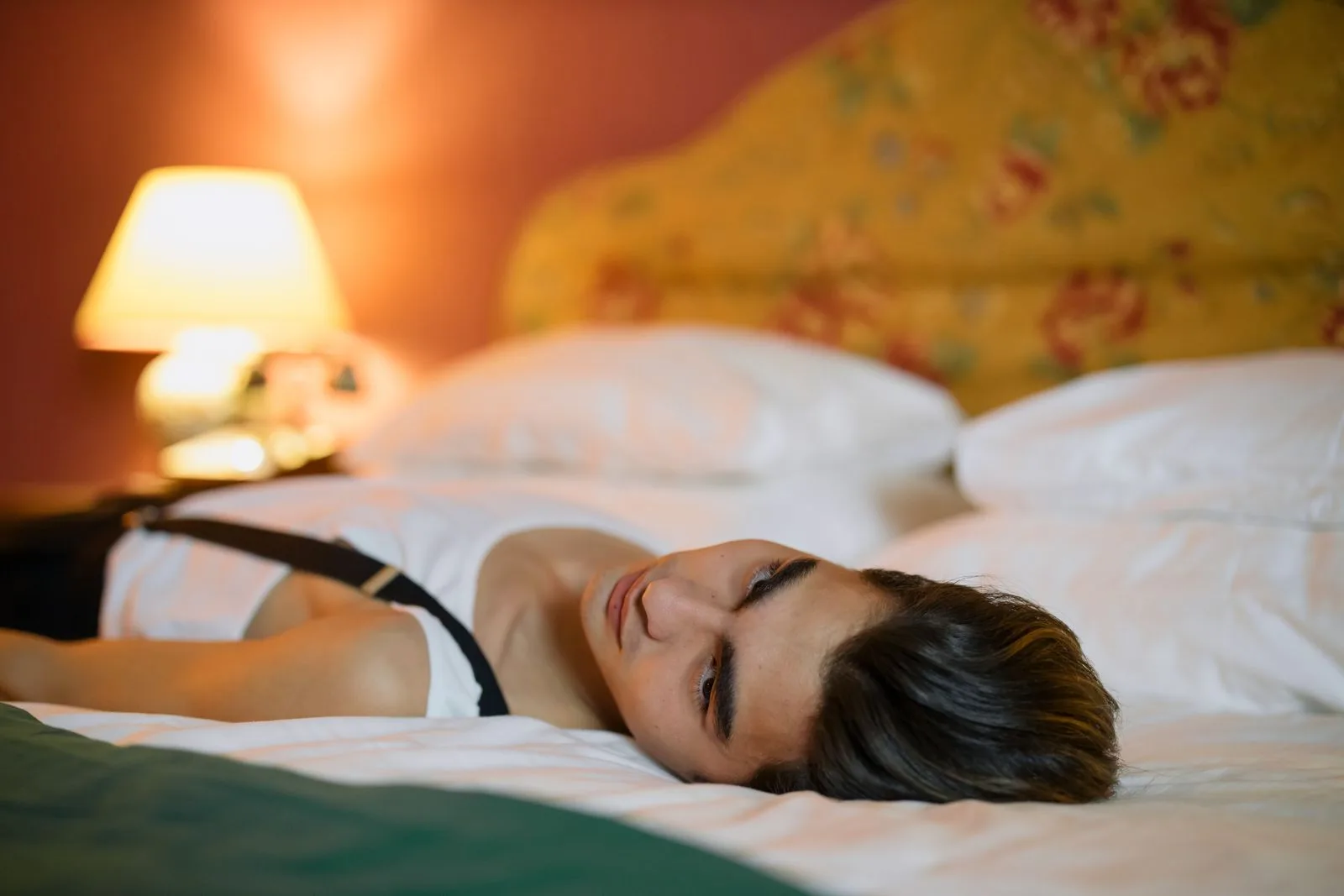
You’ve arrived somewhere lovely, the room is gorgeous, and yet the first night you lie awake listening to every creak. Sound familiar? You’re not broken, friend. Sleeping lightly in a new place is a very normal human thing. With a few calm habits you can rest well in a hotel, a friend’s spare room or a cabin by the sea. Zero drama, just good sleep.
Why the First Night Is Often Restless
Researchers call it the “first-night effect”. In an unfamiliar place, part of the brain seems to stay a little more alert, like a night watchman keeping one eye open. Add a new mattress, different light, unfamiliar sounds and maybe a different temperature, and it makes sense that sleep feels shallower. The good news: it usually eases by the second night, and you can help it along.
Bring a Little Bit of Home
Familiarity tells your brain it’s safe to switch off.
- Your own pillowcase. It weighs almost nothing and smells like home.
- A familiar scent. A small spray or the same body lotion you use at home before bed can be surprisingly soothing.
- Your usual bedtime routine. Same order, same rituals: wash, brush, a few pages of a book, lights out. Routine is portable.
- Comfy sleepwear you love, not the thing you threw in the bag at the last minute.
Set Up the Room in Five Minutes
When you arrive, take a few minutes to make the room yours.
- Darkness: close the curtains fully and check for gaps. A soft eye mask is a game changer for bright rooms, early sunrises and blinking standby lights. A towel over a glowing light works too.
- Quiet: pop in comfortable earplugs, or play gentle steady background sound like a fan or soft rain-free white noise from a small speaker. If the room is near a lift or a noisy street, it’s fine to politely ask reception for a quieter one.
- Temperature: most people sleep best in a slightly cool room. Adjust the air conditioning or heating early, and keep a light blanket handy.
- Bed tweaks: ask for an extra pillow or a firmer one if needed. Many places are happy to help.
- Clear the clutter: unpack the essentials and put the open suitcase out of sight. A tidy space feels calmer.
Mind the Evening
- Go easy on late caffeine. Holiday coffees add up; switch to herbal tea in the afternoon.
- Be gentle with alcohol. A nightcap might make you drowsy, but it often makes sleep lighter and more broken later in the night.
- Eat dinner a little earlier if you can, so you’re not going to bed overly full.
- Enjoy daylight. Getting outside in the sunshine during the day helps your body clock settle, especially after travel.
If You Wake Up in the Night
- Don’t check the time over and over. Clock-watching makes the mind race.
- Breathe slowly. Try breathing in for four counts and out for six, a few times. Let your shoulders soften with each breath out.
- Remind yourself it’s normal. A lighter first night is expected and does no harm. Resting quietly still restores you.
- Get up if you’re wide awake. If twenty minutes or so pass, sit somewhere dim and read something easy until you feel sleepy, then go back to bed.
Sharing a Room
Travelling with a partner or friend? Agree on alarm times and light-out time, bring earplugs and an eye mask for both of you, and keep phones on silent. A little kindness and planning means everyone wakes up happy.
When to Ask for Help
If poor sleep follows you home and lasts for weeks, or you’re often exhausted during the day, it’s worth talking to a doctor. Good sleep is a big part of good health.
Pack your pillowcase, dim the lights and let the new place hold you. Sweet dreams, friend. Unbothered. Peace.
Comments
Also give your opinion.

 The Captain Look






Leave a comment