

















Smash It: Badminton as Your New Favourite Workout, Babe
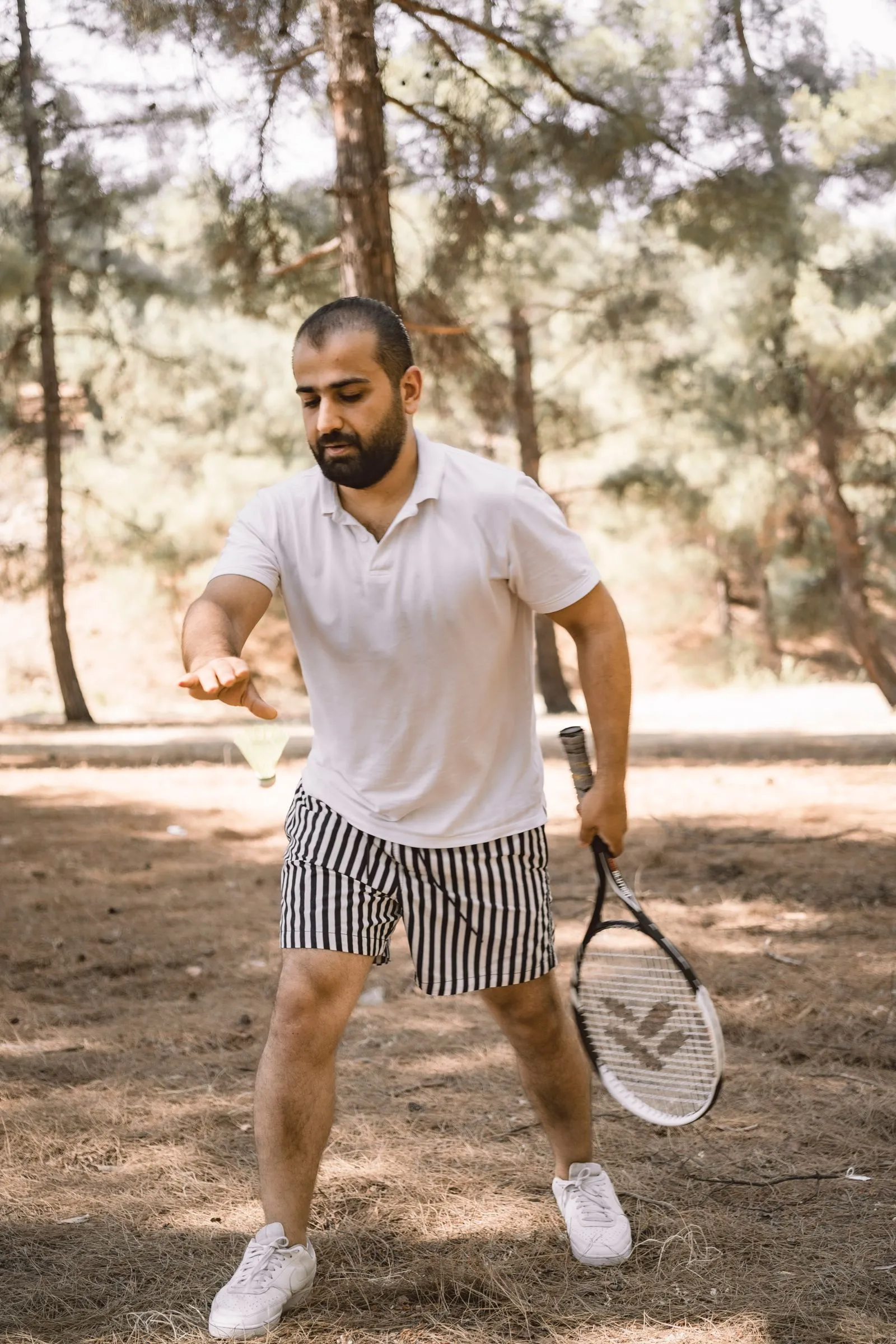
Sunshine, pop divas and a shuttlecock flying through the air. Babe, badminton is so much more than a gentle garden game. Played properly, it’s one of the fastest racket sports in the world, full of lunges, jumps, quick feet and sneaky drop shots. It torches energy, sharpens your reflexes and is ridiculously social. Gotta order more protein, then grab a racket.
Why Badminton Is a Brilliant Workout
- Cardio in disguise: rallies keep you moving constantly, so your heart rate climbs while you’re busy having fun.
- Leg power: lunging, jumping and pushing back from the corners works your thighs, glutes and calves.
- Upper body and core: overhead shots and quick wrist work train shoulders, arms and the muscles that rotate your torso.
- Agility and reflexes: split-second changes of direction keep your body and brain sharp.
- Social and inclusive: singles or doubles, mixed abilities, indoors or out. Anyone can join.
What You Need
- A racket: start with an affordable, lightweight beginner racket. Many clubs and sports centres rent or lend them.
- Shuttlecocks: plastic ones are durable and great for learning; feather shuttles fly more precisely but break more easily.
- Indoor court shoes: non-marking shoes with good grip and side support. Running shoes aren’t designed for sideways movement.
- Comfy kit: breathable T-shirt and shorts you can lunge in. Striped shorts optional, but fabulous.
The Basics in One Minute
- The aim is to hit the shuttle over the net so it lands in your opponent’s court before they can return it.
- You win a point on every rally, whether you served or not, in the scoring system used by most clubs.
- Games usually go to 21 points, and you need to win by two.
- Serves are hit underarm, from below the waist, diagonally into the opposite service box.
- Your local club will happily explain the finer points of the lines for singles and doubles.
Grip and Footwork for Beginners
- The forehand grip: hold the racket like you’re shaking hands with it. Keep your grip relaxed, tightening only as you hit.
- Ready position: knees soft, weight on the balls of your feet, racket up in front of you.
- Return to base: after each shot, move back towards the centre of your court so you can reach the next one.
- Lunge, don’t stretch: step towards the shuttle with your racket-side leg, keeping your knee over your ankle.
Shots to Learn First
- The clear: a high, deep shot to the back of the court. Buys you time.
- The drop shot: a soft shot that falls just over the net. Delicious when it works.
- The smash: a steep, powerful overhead shot. The one everyone wants to master, babe.
- The net shot: a gentle tap close to the net that tumbles over.
Play Safe and Keep Coming Back
- Warm up with light jogging, side-steps, arm circles and some practice rallies.
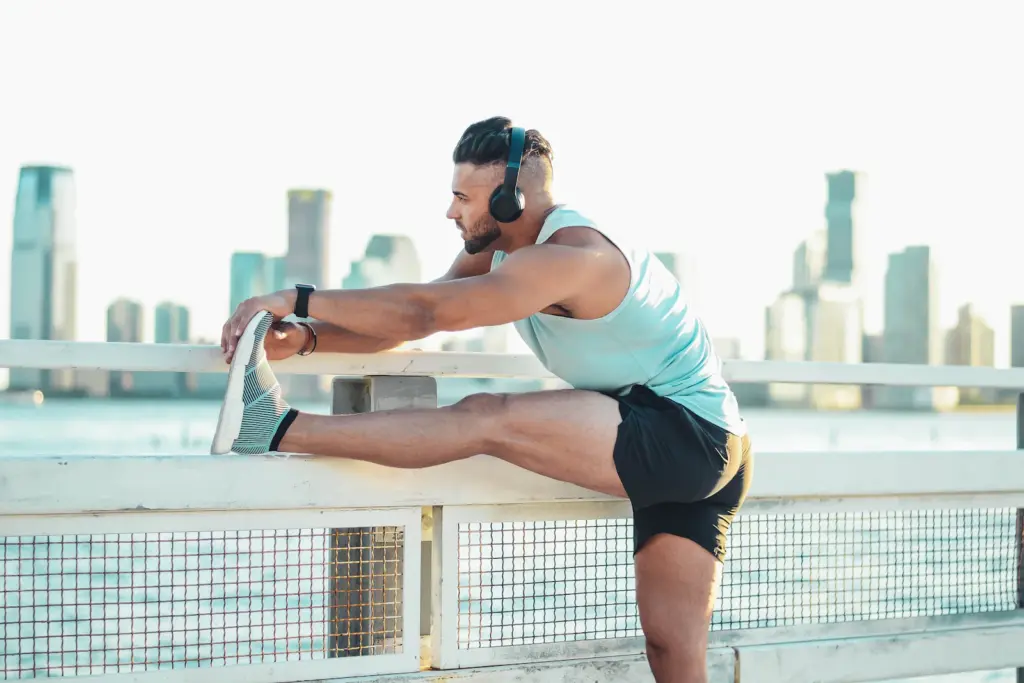
- Cool down and stretch your calves, thighs, hips and shoulders afterwards.
- Watch your doubles partner and call “mine” or “yours” to avoid racket clashes.
- Build up slowly. Lots of lunging and jumping can be a shock for calves and knees if you’re new to it.
- Join a club or social session. Many sports centres run beginner nights where you can meet partners and learn from experienced players.
Brad’s Last Rep
Badminton proves that working out can feel like playing. Find a court, grab a friend and let the rallies fly. Sunshine and pop divas, babe. See you at the net.
Comments
Also give your opinion.

 The Captain Look
Leave a comment