

















Run Without the Pounding: Deep-Water Running for Beginners, Babe
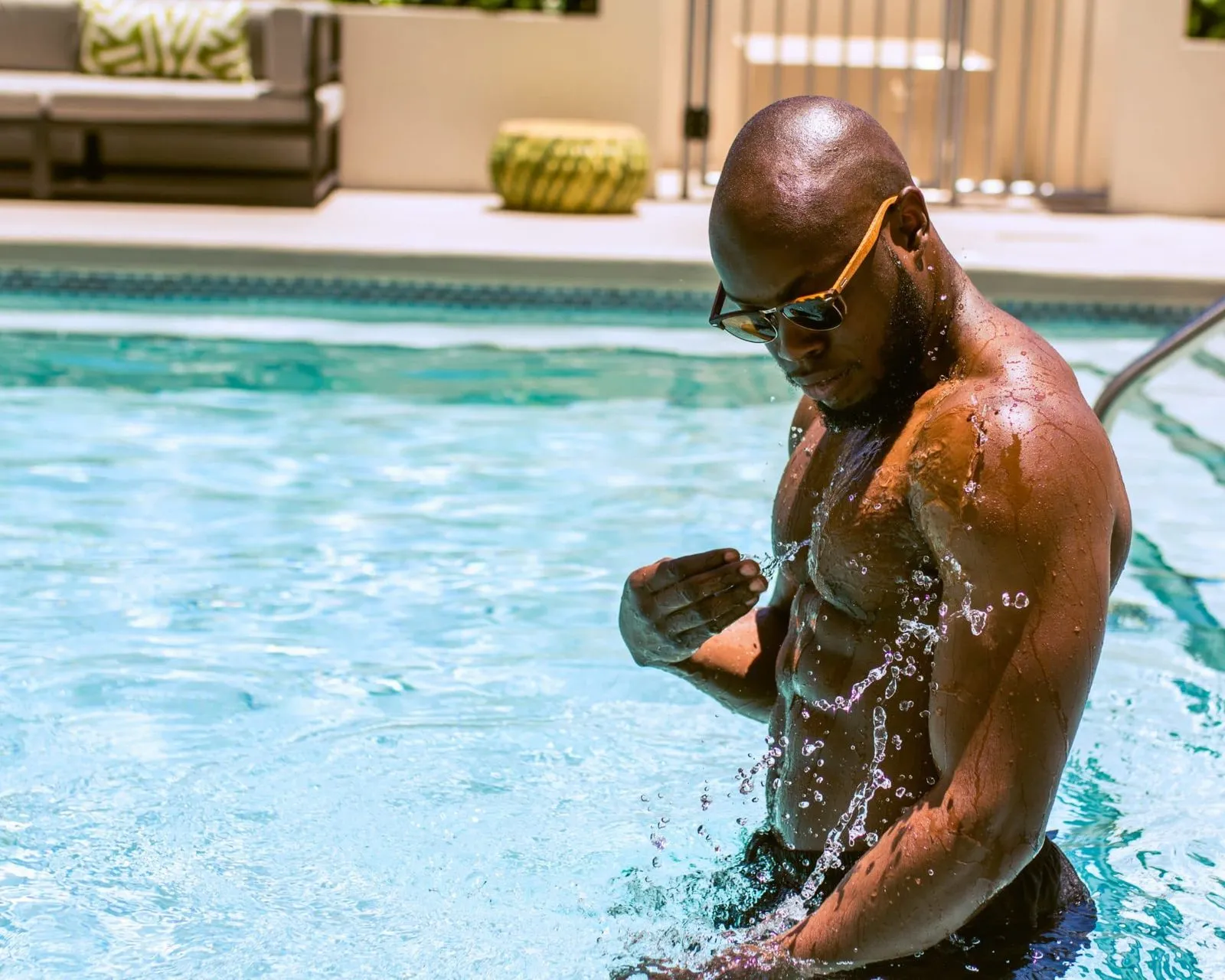
Babe, imagine a run where your knees never complain, your shins never ache, and you finish feeling refreshed instead of sweaty and sticky. Welcome to deep-water running, also called aqua jogging: running in the deep end of the pool with your feet never touching the bottom. Elite runners use it to stay fit through injuries, and it is a fabulous workout for every body. Brad here. Sunshine, pop divas and splashes. Let’s run.
What Is Deep-Water Running?
You go into water deep enough that your feet cannot touch the floor, usually wearing a flotation belt around your waist. Then you move your arms and legs in a running motion, staying upright. Because the water supports you, there is no impact on your joints. Because water resists every movement, your muscles and heart still work hard.
Why It Is Brilliant
- Zero impact: kind to knees, hips, ankles and backs.
- Great for recovery: many runners keep their fitness while healing from injuries, with their physio’s okay.
- Full-body effort: the water resists your arms and legs in every direction.
- Cooling: perfect on hot, sunny days when running on the road feels like a sauna.
- Social: chat with a friend between intervals. Babe, it’s practically brunch with cardio.
What You Need
- A pool with a deep end where your feet do not touch.
- A flotation belt (aqua jogging belt). Many pools lend them, or they are easy to buy. It lets you focus on your running form instead of staying afloat.
- Optional: water shoes, a waterproof music player and a waterproof watch to time intervals.
You should be comfortable in deep water. The belt helps, but it does not replace swimming confidence.
Perfect Form in the Water
- Stay tall. Head up, chest proud, a very slight forward lean. Do not sit back as if on a chair.
- Run, do not cycle. Drive your knee forward and up, then push your foot down and back, as if running up a hill. Extend the leg behind you before bringing it through again.
- Flex and point. Flex your foot as the knee comes forward, point it as you push back.
- Arms like on land. Bend your elbows, keep hands relaxed and swing from the shoulders.
- Move forward slowly. You will travel gently forward. If you are going nowhere, check that you are pushing back, not just pedalling.
It feels odd at first. After a couple of sessions, it clicks.
Your First Session (30 minutes)
- Warm-up: 5 minutes of easy running in the water.
- Intervals: 8 rounds of 1 minute hard running and 1 minute easy.
- Steady run: 8 minutes at a comfortable, conversational effort.
- Cool-down: 3 minutes easy, then gentle stretches at the poolside.
Your heart rate will usually be a little lower in water than for the same effort on land, so judge intensity by how hard it feels and how much you are breathing.
Make It Harder
- Shorter rests between intervals.
- Faster leg turnover for sprints of 20 to 30 seconds.
- Longer sessions of 45 minutes.
- No belt, if you are a strong swimmer and can keep good form.
Mix It Into Your Week
Add one or two deep-water sessions to replace a road run or a cardio day. They are perfect after a heavy leg day or a long hike.
Stay Safe
Stay in lifeguarded areas or with a buddy, hydrate before and after (yes, you still sweat in the pool), and check with a doctor or physio if you are recovering from an injury.
No pounding, all the progress, babe. Splash those intervals, then hop out and order more protein!
Comments
Also give your opinion.

 The Captain Look



Leave a comment