

















Mix It Up, Cub: The Bear’s Guide to Bibimbap at Home
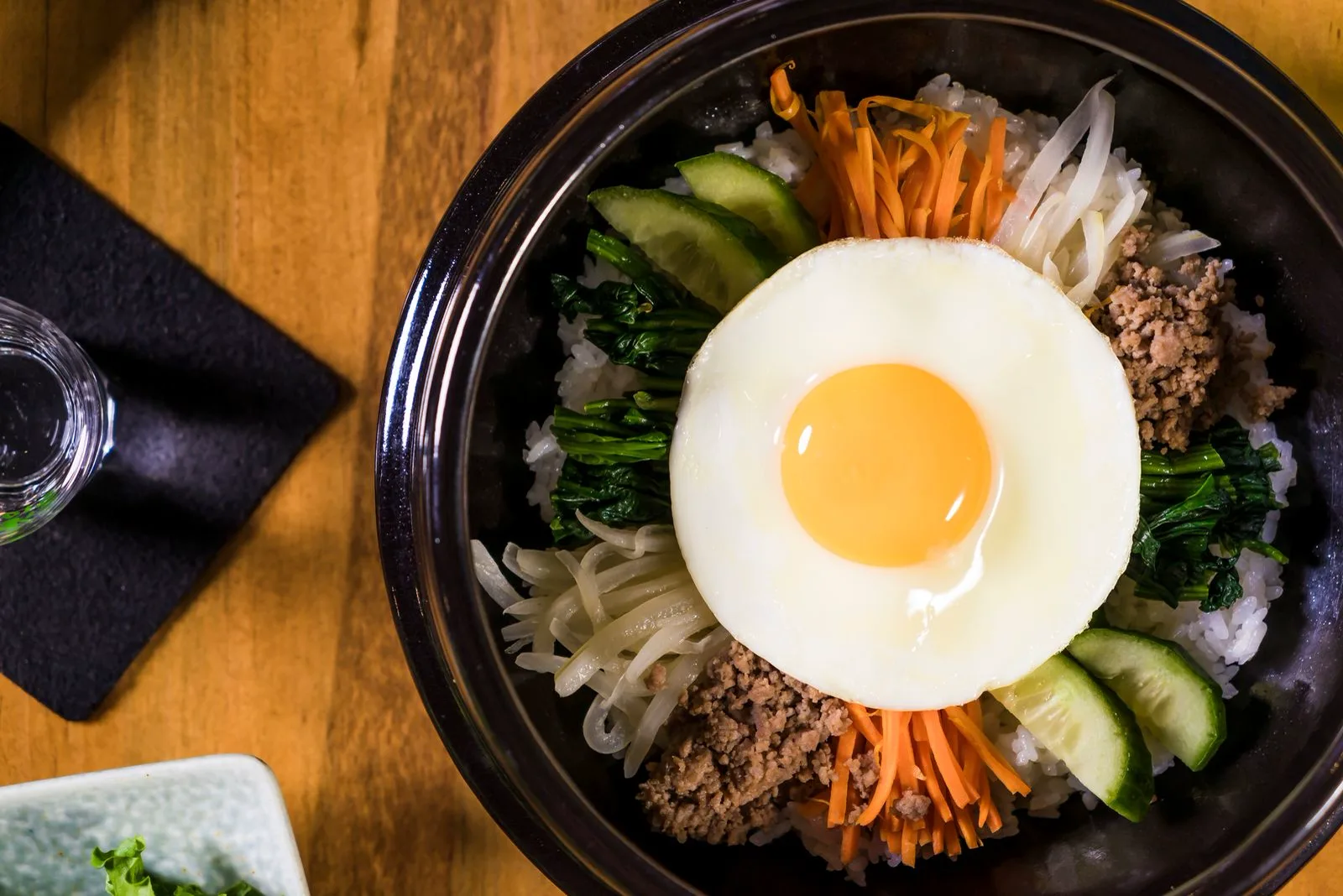
Teddy here, cub. If a rainbow and a warm hug had a baby, it would be bibimbap. This Korean rice bowl, whose name means something like “mixed rice”, arrives as a beautiful arrangement of colourful toppings on rice, crowned with an egg and a spoonful of spicy gochujang sauce. Then you mix it all together into one glorious, saucy bowl. It’s balanced, flexible and a brilliant way to use up vegetables. Let’s build one.
The Parts of a Bibimbap
- Rice: short-grain white rice is traditional. Brown rice or a mix works for extra fibre.
- Namul (seasoned vegetables): each veg cooked or prepared separately and lightly seasoned.
- Protein: traditionally beef, but tofu, chicken, mushrooms or prawns all work.
- Egg: fried with a runny yolk, or raw yolk in some versions. A fried egg is easiest at home.
- Sauce: gochujang, the Korean fermented chilli paste, loosened with sesame oil and a little sweetness.
The Veg Rainbow
Aim for four or five different colours. Popular choices:
- Spinach: blanch for 30 seconds, squeeze dry, toss with a little sesame oil, garlic and salt.
- Beansprouts: blanch for 1 to 2 minutes, season the same way.
- Carrots: cut into matchsticks and stir-fry for a minute or two.
- Courgette: thin half-moons, quickly stir-fried.
- Mushrooms: shiitake or chestnut, stir-fried with a splash of soy sauce.
- Cucumber: raw matchsticks for crunch.
- Kimchi: for tang and extra fermented goodness.
Each vegetable takes only minutes. Cook them one after another in the same pan, wiping it in between if you like.
The Sauce
Mix together:
- 2 tablespoons gochujang
- 1 tablespoon sesame oil
- 1 teaspoon sugar or honey
- 1 teaspoon rice vinegar
- 1 tablespoon water
- A sprinkle of toasted sesame seeds
Gochujang varies in heat and saltiness, so taste and adjust. Serve it on the side so everyone controls their spice level.
Simple Beef or Tofu Topping
Stir-fry 300 g of lean minced beef or crumbled firm tofu with 2 tablespoons of soy sauce, 1 teaspoon of sesame oil, a crushed garlic clove, a little grated pear or a pinch of sugar, and a few chopped spring onions until cooked through. Serves 3 to 4 bowls.
Build Your Bowl
- Rice in the bottom of a wide bowl.
- Arrange the veg and protein in little sections around the top, like a colour wheel.
- Top with a fried egg in the centre.
- Add a spoonful of sauce and sprinkle with sesame seeds and spring onions.
- Mix it all up at the table. That’s the whole point, cub.
The Crispy Rice Trick
The famous dolsot bibimbap is served in a sizzling stone bowl that makes the rice at the bottom golden and crunchy. At home, you can fake it: heat a little oil in a heavy pan or cast iron skillet, press in a layer of cooked rice, add your toppings and cook over medium heat for 5 to 8 minutes without stirring. Serve straight from the pan for crispy bits.
Why Bears Love It
Bibimbap ticks the boxes for a balanced meal: wholesome carbs from rice, plenty of veg, protein from the egg and beef or tofu, and flavour without heavy sauces. Make extra veg and keep them in the fridge for quick lunches through the week.
Mix with love, eat with joy. Warm. Protective. Teddy Bear.
Comments
Also give your opinion.

 The Captain Look




Leave a comment