

















The Kettlebell Swing: One Move That Works Your Whole Body
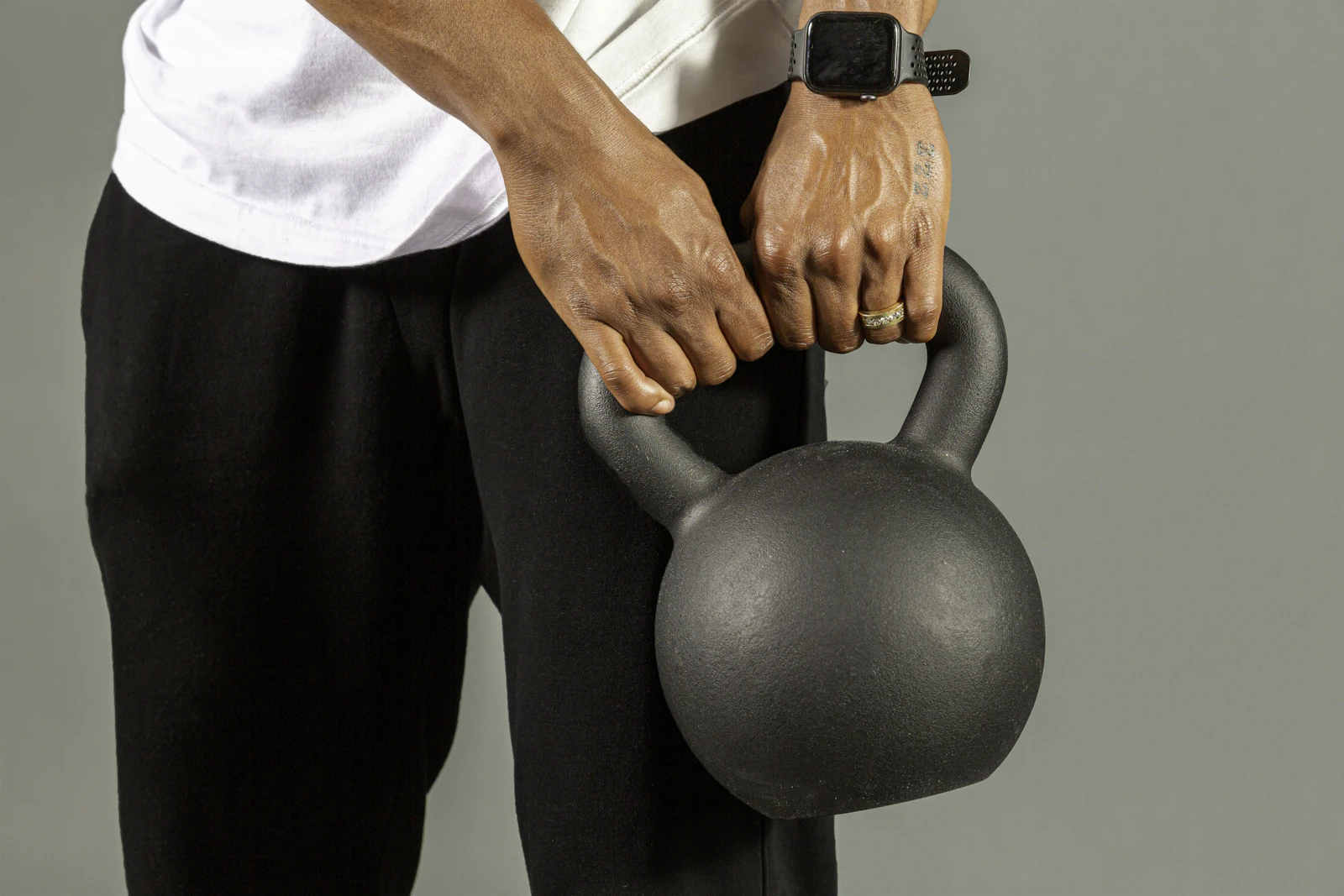
Want one move that builds a strong back, powerful glutes and gets your heart pounding? Meet the kettlebell swing, sunshine. It looks simple, but there is a trick to doing it properly. Here is your step-by-step guide.
Why the Swing Is So Good
The swing is a hip hinge, not a squat and not an arm lift. Your hips do the work, driving the bell forward with a powerful snap. It trains the whole back of your body, your core and your grip, and it gets your heart rate up fast. One kettlebell, a little space, and you have a full workout.
Choose the Right Weight
Start lighter than your ego wants. Many beginners do well with a moderate bell they can control for fifteen clean reps. If your form breaks down, it is too heavy.
Learn the Hinge First
Stand with feet just wider than your hips. Hold a broomstick along your back, touching your head, upper back and tailbone. Push your hips back while keeping all three points in contact, with a soft bend in the knees. That is the hinge. Practise until it feels natural.
The Swing, Step by Step
- Set the bell on the floor about a foot in front of you.
- Hinge down, grip the handle with both hands and tilt it towards you.
- Hike it back between your legs like a football snap.
- Stand up explosively by driving your hips forward and squeezing your glutes.
- Let the bell float up to about chest height. Your arms just guide it.
- As it falls, hinge back and let it travel between your legs again.
Form Check
- Back flat and neutral, never rounded.
- Arms relaxed like ropes. If your shoulders are burning, you are lifting with your arms.
- Stand tall at the top with knees and hips fully straight. No leaning back.
- Breathe out sharply at the top of each swing.
- Keep the bell high between your thighs on the backswing, not down by your knees.
A Simple Swing Workout
Try ten swings, then rest for the remaining time in that minute. Repeat for ten minutes. As you get fitter, increase to fifteen or twenty swings per minute. Add some goblet squats and push-ups between rounds for a quick full-body session.
Safety First
Clear the space around you and swing on a non-slip floor. If you feel pain in your lower back, stop and get a qualified coach to check your form. If you have an injury or health condition, check with a professional before starting.
Swing Variations for Later
Once the two-handed swing feels solid, you can explore. One-handed swings challenge your core and grip because your body has to resist twisting. Alternating swings, where you pass the bell from hand to hand at the top, add coordination. Keep the same rules: hips do the work, back stays flat, and quality always beats quantity.
Hinge, snap, float, repeat. Master the swing and you will feel stronger in everything you do. Sunshine and pop divas, and a little kettlebell every day. Gotta order more protein!
Comments
Be the first to leave some love.

 The Captain Look
Leave a comment