

















How to Read a Food Label in Under a Minute, Cub
Food packaging loves a bit of theatre, cub. “Natural”, “light”, “packed with goodness”, “a source of protein”… the front of the box is the advertising. The truth lives on the back, in that little table everyone ignores. Teddy is going to show you how to read it in under a minute, so you can shop calmly and choose what is right for you.
Step 1: Check the Portion Size
Everything on the label is based on a portion, and the manufacturer decides what that portion is. A bag of granola might list a modest 40 g serving, when most of us pour closer to double. Many labels also show values per 100 g, which is the easiest way to compare two products fairly.
Step 2: Look at the Big Numbers
- Energy (calories or kilojoules): useful for comparing similar foods, not something to obsess over.
- Protein: helps you feel full and supports your muscles. Higher is often handy for breakfasts and snacks.
- Fibre: good for digestion and keeps you satisfied. Wholegrain breads and cereals usually win here.
- Sugars: this includes sugars naturally in fruit and milk as well as added sugar, so check the ingredients too.
- Saturated fat and salt: worth keeping an eye on, especially in ready meals, sauces and processed meats.
Some countries add colour-coded labels on the front of packs. They are a helpful shortcut: lots of green is a lighter choice, while a few reds simply mean “enjoy as a treat”.
Step 3: Read the Ingredients List
Ingredients are listed from most to least by weight. If sugar, or one of its many cousins (syrups, dextrose, fruit concentrates), appears near the top, that is a sweet product, whatever the front says. A short list of ingredients you recognise is often a good sign, but not always: olive oil has one ingredient and is still rich in energy. Context matters.
Decode the Buzzwords
- “Light” or “reduced fat”: lighter than the original version, not necessarily light. Sometimes sugar is added to make up for the flavour.
- “Natural”: often has no strict definition. Nice word, not much meaning.
- “High protein”: check the actual grams and the portion size.
- “No added sugar”: can still be naturally sweet, like dried fruit or juice.
- “Multigrain”: means several grains, not necessarily whole grains.
Teddy’s Shopping Shortcuts
- Compare two similar products per 100 g, pick the better one, move on. No need to analyse your whole trolley.
- Focus on the foods you buy every week: bread, cereal, yoghurt, sauces. Small swaps there add up.
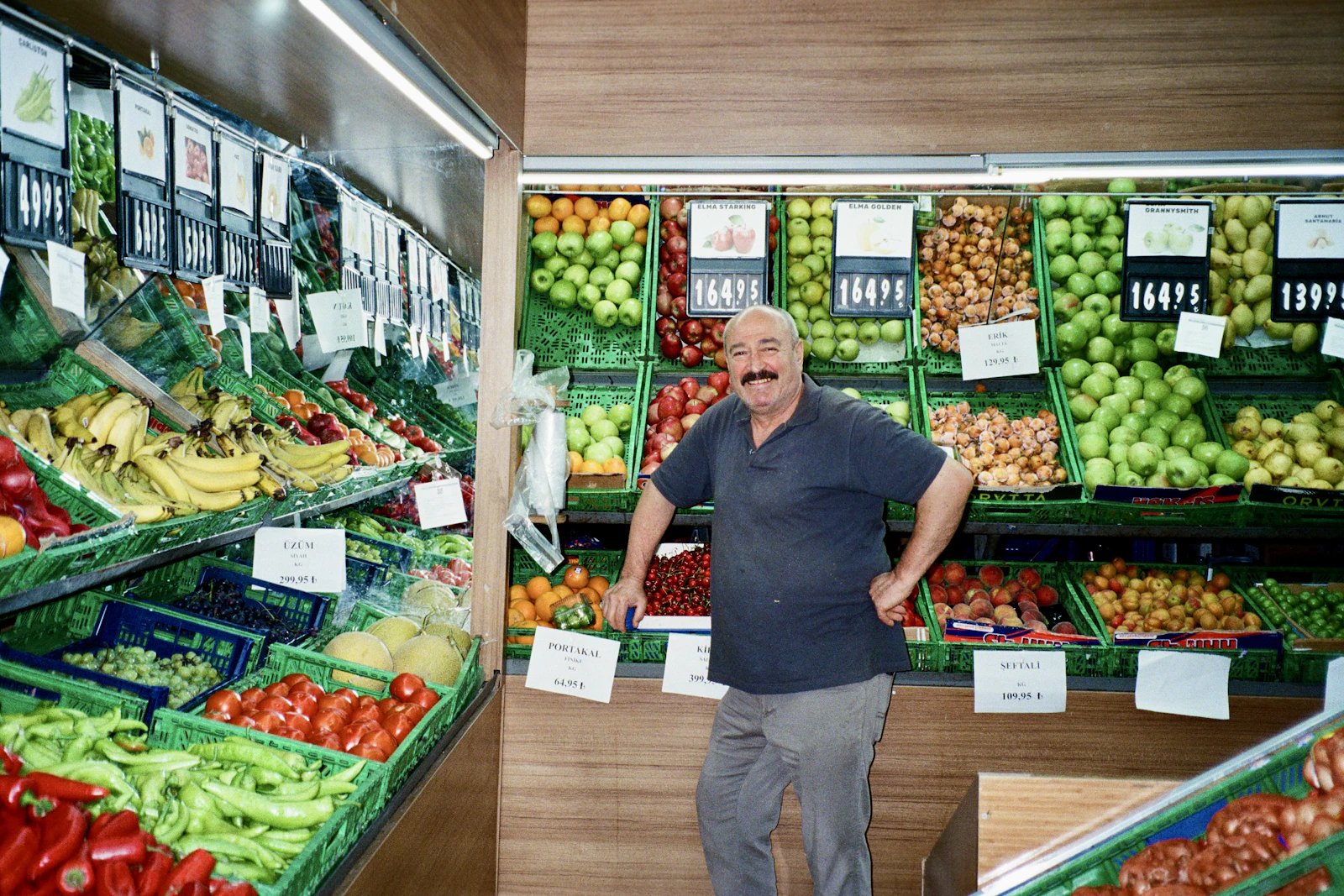
- Fill most of the basket with foods that do not need a label at all: fruit, veg, eggs, fresh fish, plain nuts.
Keep It Relaxed
Labels are a tool, not a judge. You do not need to scan every crisp packet at a party. If you are managing a specific health condition or allergy, a registered dietitian or your doctor can tell you which numbers matter most for you.
Shop curious, eat happy, and save room for the good stuff. Warm. Protective. Teddy Bear.
Comments
Be the first to leave some love.

 The Captain Look






Leave a comment