

















Never on 1% Again: How to Choose the Right Power Bank
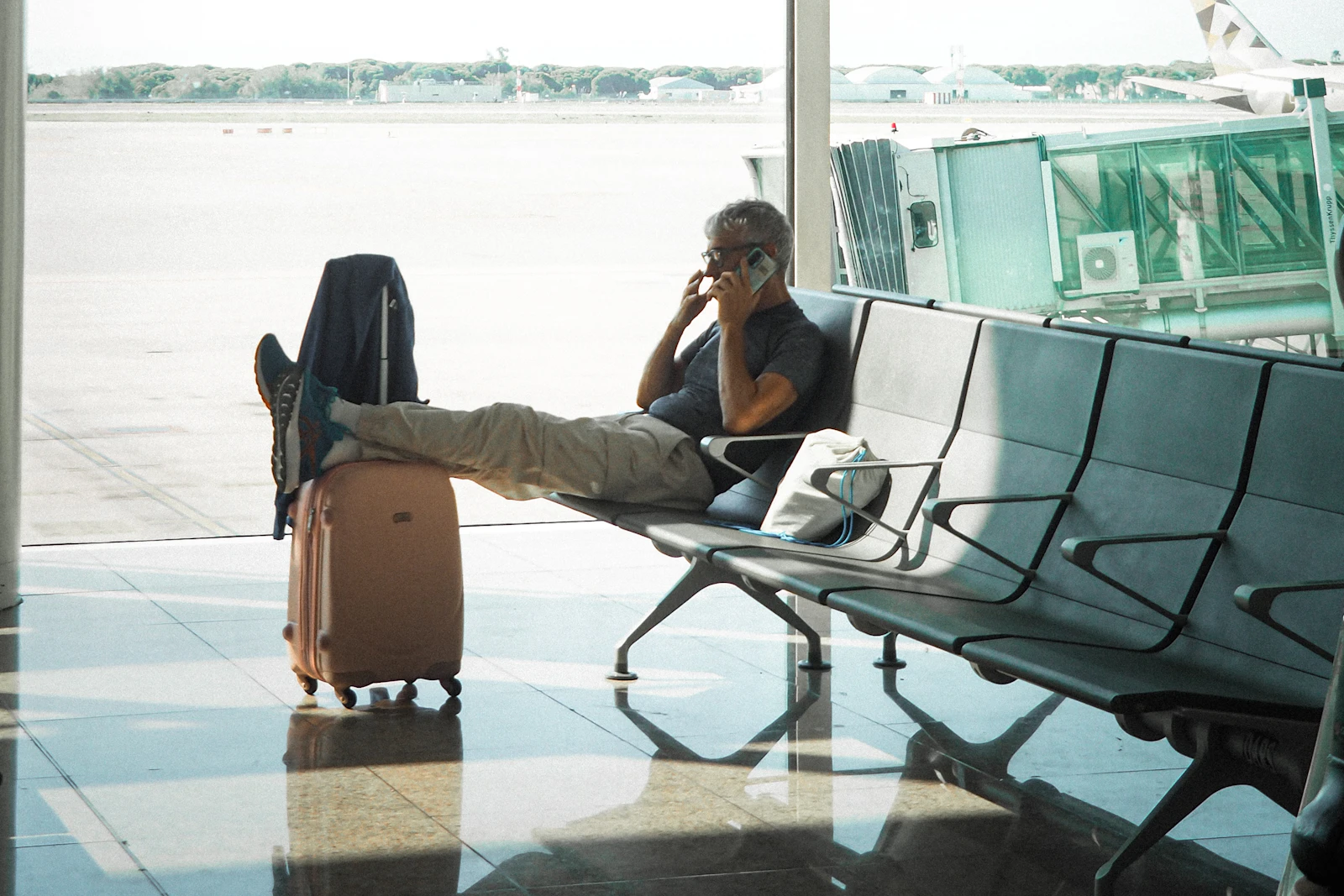
Namaste, friends. Dev here, and I have a confession: few things raise my blood pressure like a phone on 4% battery in a foreign city, with the boarding pass, the map and the hotel booking all trapped inside it. A good power bank is the calm little friend that saves the day. But choosing one can be confusing. Let us decode the numbers.
Capacity: How Much Power Do You Need?
Power bank capacity is measured in milliamp-hours (mAh). As a rough guide:
- 5,000 mAh: slim and pocketable, roughly one phone top-up. Great for nights out.
- 10,000 mAh: the sweet spot for most people, typically one to two phone charges. Still fits in a jacket pocket.
- 20,000 mAh and above: several phone charges, or enough for tablets and some laptops. Heavier, best for long trips and festivals.
Real-world charges are always a bit less than the maths suggests, because some energy is lost as heat. Buy a little more than you think you need.
Speed: Watts Matter
Charging speed is measured in watts (W). Look for a power bank that supports the fast-charging standard your phone uses, often USB Power Delivery (USB-C PD). For phones, around 18 to 30 W charges quickly. If you want to charge a laptop, check your laptop’s charger wattage and choose a power bank that can match it.
Ports and Cables
- USB-C is now the standard for most new phones and devices, and it often works both ways: charging the power bank and charging your phone.
- Multiple ports let you charge two devices at once, handy when travelling with a partner.
- Built-in cables mean one less thing to forget.
- Wireless charging power banks are convenient, but usually slower and less efficient than a cable.
Flying With a Power Bank
Airlines treat power banks carefully because of their lithium batteries. In general:
- Power banks must go in your carry-on, never in checked luggage.
- Many airlines limit capacity, often around 100 Wh without special approval. A 20,000 mAh power bank is usually well below that, but always check the rating printed on the device.
- Some airlines have extra rules about using power banks on board.
Rules vary, so check your airline’s website before you fly.
Safety and Quality
- Buy from reputable brands and retailers. Very cheap, unbranded power banks may overstate their capacity or lack safety protections.
- Look for built-in protection against overcharging, overheating and short circuits.
- Do not leave it charging in direct sun, under a pillow or in a hot car.
- If a power bank swells, gets very hot or smells strange, stop using it and recycle it properly.
Size and Weight
Before you buy, hold it in your hand or check the weight. A big power bank you leave at home is less useful than a small one that is always in your pocket.
Little Habits for a Full Battery
- Charge your power bank the night before a big day out.
- Keep a short cable permanently with it.
- Top up your phone during calm moments, like over lunch, instead of waiting for the low-battery panic.
A charged phone, a calm traveller. It is not a bug, it is a feature. Namaste.
Comments
Be the first to leave some love.

 The Captain Look




Leave a comment