

















Make It Real: A Friendly Beginner’s Guide to 3D Printing at Home
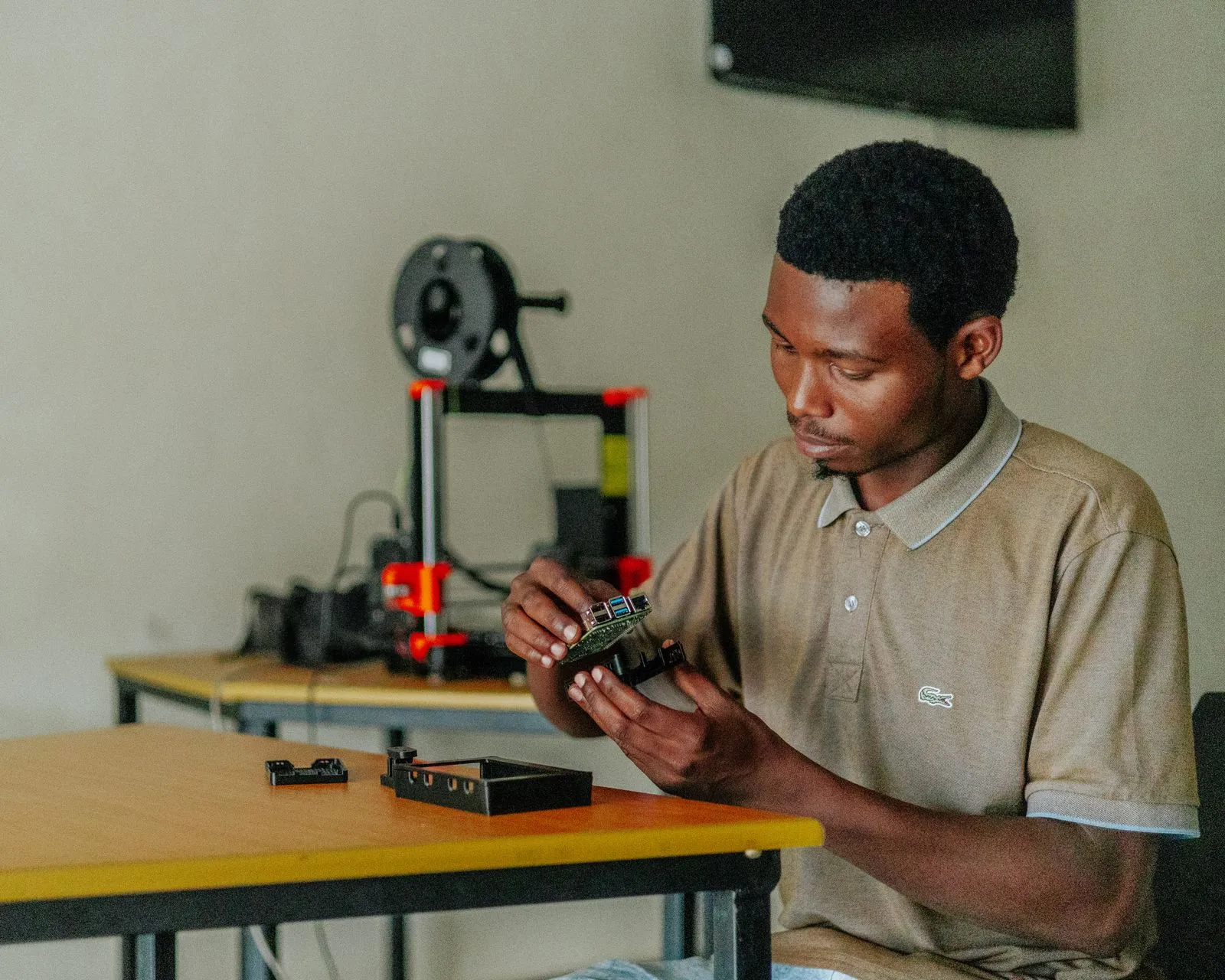
Namaste, makers. Imagine needing a hook, a cable clip, a phone stand or a tiny statue of your favourite diva and simply making it overnight on your desk. That is home 3D printing. It sounds like science fiction, but modern printers are friendlier than ever. Here is what to know before you hit print.
How It Works, in One Breath
Most home printers use a method called FDM. A spool of plastic thread, called filament, feeds into a hot nozzle that melts it and draws your object layer by thin layer, from the bottom up. A few hours later, you lift a real, solid thing off the build plate. Pure magic, with a little maths behind it.
There is also resin printing, which uses liquid resin and light to make super-detailed miniatures and jewellery. It is brilliant for fine detail but messier, needs gloves and good ventilation, and is better as a second step once you are hooked.
Choosing Your First Printer
- Go for auto bed levelling. A level build plate is the secret to good first layers, and letting the printer do it saves hours of frustration.
- Look for a closed or semi-closed frame if you have pets or small visitors, as it keeps curious paws away from hot parts and helps prints stay warm.
- Check the build volume. Around 20 cm in each direction handles most household projects.
- Read beginner reviews, not just spec sheets. Reliable, quiet and well-supported beats flashy features.
- Community matters. Popular printers have huge online communities, guides and spare parts.
Filament 101
- PLA: the friendliest material. Easy to print, low smell, lots of colours, perfect for decor, gadgets and gifts. Not great in hot cars or near heat.
- PETG: tougher and a little flexible, good for practical parts and things that live outdoors.
- TPU: rubbery and bendy, for phone cases and bumpers. Trickier to print, so save it for later.
Store filament in a sealed box with a few silica gel packets. Damp filament prints badly.
Where the Designs Come From
You do not need to be a designer to start. Huge free libraries of ready-made models exist online, from cable organisers to articulated dragons. Download a file, open it in the free “slicer” software that comes with most printers, and the slicer turns it into instructions your printer understands.
When you are ready to make your own, beginner-friendly design apps let you combine simple shapes like building blocks. Personalised keyrings with your name are a classic first creation.
Your First Prints
- Start with a test print that comes with the printer. It proves everything is working.
- Print small and quick at first: a calibration cube, a clip, a little boat. Fail fast, learn fast.
- Watch the first layer. If it sticks nicely and looks smooth, the rest usually goes well.
- Clean the build plate with a little isopropyl alcohol so prints stick properly.
Safety and Good Habits
- Never leave a new printer running unattended for its first prints, and keep it on a stable, non-flammable surface.
- Ventilate the room. Open a window while printing, even with PLA.
- Keep fingers away from the hot nozzle and moving parts.
- Keep firmware and slicer software updated for the latest fixes.
Fun Ideas to Get Hooked
- Plant pots and drainage trays
- Headphone hooks and cable tidies
- Custom cookie cutters for your next dinner party
- Board game organisers
- Cosplay props and costume details
- Replacement knobs and clips for things around the house
3D printing teaches patience, problem-solving and a deep respect for a perfect first layer. When a print fails, you get to say our favourite line: it’s not a bug, it’s a feature. Happy making!
Comments
Also give your opinion.

 The Captain Look






Leave a comment