

















Hang Loose, Babe: The Beginner’s Guide to Aerial Yoga
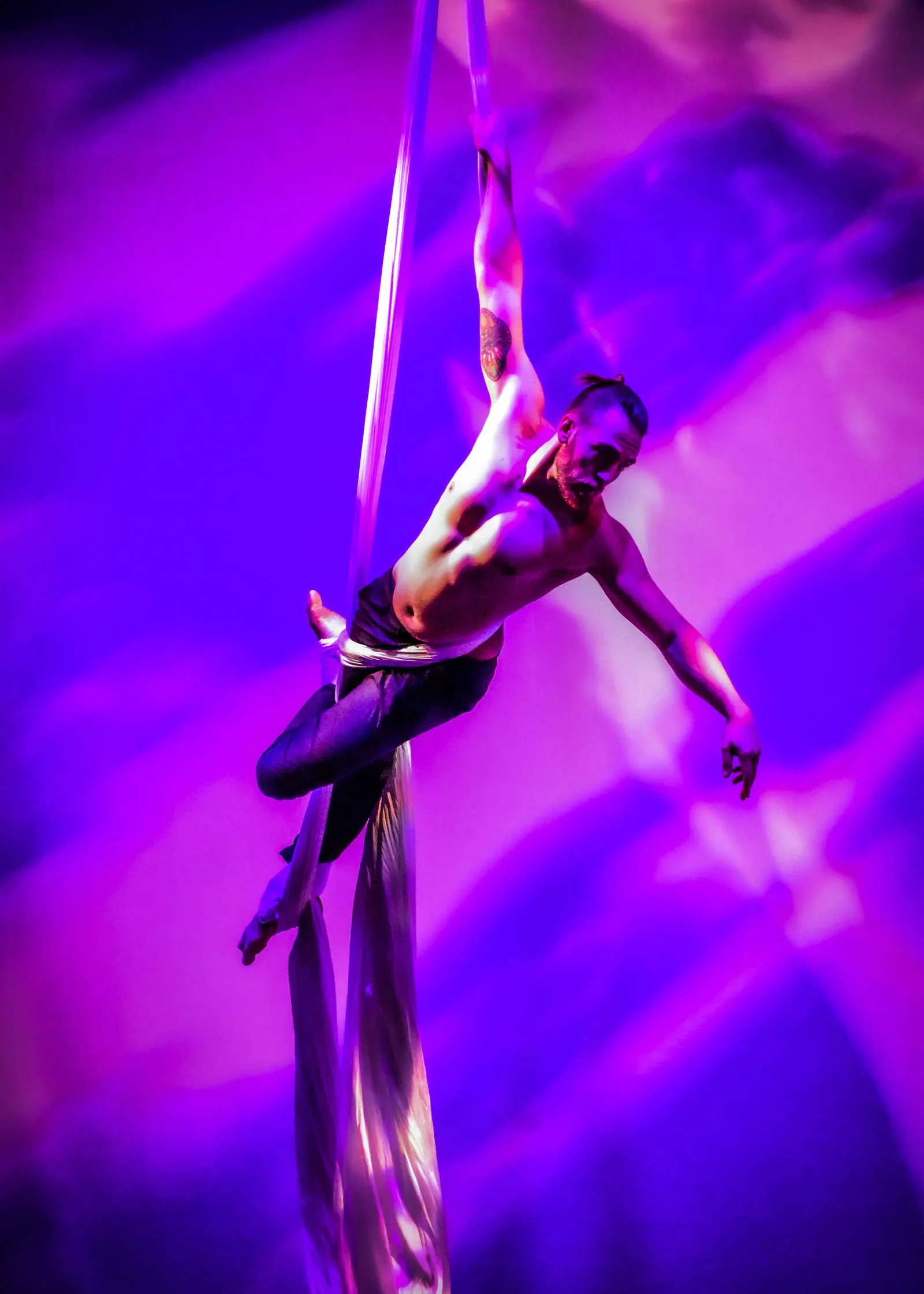
Brad Damon here, babe, and today we’re taking yoga off the mat and into the air. Aerial yoga uses a soft fabric hammock hanging from the ceiling to support you in stretches, swings and even upside-down poses. It looks like circus magic, but beginners are welcome, and it’s one of the most fun ways to build strength and flexibility. Sunshine and pop divas, babe!
What Is Aerial Yoga?
It’s a blend of classic yoga, Pilates-style core work and a little bit of aerial arts. The hammock is a wide, stretchy piece of fabric hung low, around hip height. You use it to support your weight, deepen stretches and take some of the pressure off your joints. Some poses keep your feet on the floor; others have you floating in a cocoon of fabric.
Why Men Love It
- Core strength: balancing in a moving hammock makes your abs work in every pose.
- Upper body and grip: pulling and holding the fabric builds arms, shoulders and forearms.
- Flexibility: the hammock lets you sink into stretches gently, especially hips and hamstrings.
- Spine decompression: supported inversions can feel lovely for your back after long days.
- Pure joy: swinging gently through the air is ridiculously good for your mood.
Your First Class: What to Expect
Most beginner classes start with a warm-up on the floor, then teach you how to sit in the hammock, stand with your feet in it, and use it for supported stretches. Toward the end, you may try a simple, supported inversion with the instructor right beside you. Classes often finish with savasana inside the hammock, swaying gently like a cocoon. Heaven.
What to Wear
- Fitted clothes that cover your armpits and the backs of your knees. The fabric can rub bare skin.
- Leggings or fitted joggers, not loose shorts.
- No zips, buckles, jewellery or watches. They can snag and damage the hammock.
- Bare feet or grippy yoga socks.
- Skip lotion on the day. It makes the fabric slippery.
Beginner-Friendly Poses
- Supported squat: hold the hammock with both hands and lower into a deep squat. Great for hips.
- Standing back bend: fabric around your lower back, lean back slowly with control.
- Hammock plank: feet in the hammock, hands on the floor. Your core will say hello.
- Floating savasana: lie fully inside the hammock and just breathe.
Who Should Check First
Inversions aren’t for everyone. If you have high blood pressure, glaucoma, heart conditions, recent injuries or surgery, or if upside-down positions make you dizzy, talk to your doctor before trying aerial yoga and tell your instructor. Avoid a heavy meal in the two hours before class too, babe. Trust us.
Tips for Your First Session
- Choose a beginner class at a studio with qualified aerial instructors.
- Arrive a little early so the teacher can adjust your hammock height.
- Go slow. Come out of inversions gradually and sit for a moment before standing up.
- Expect a little soreness in your forearms and core the next day. That means it worked.
- Laugh at the wobbles. Everyone spins the wrong way at first.
How It Fits Your Routine
Once or twice a week is plenty alongside your usual gym or cardio sessions. It’s a perfect recovery-day workout that still builds strength, and a brilliant way to add flexibility and body control to heavy lifting.
Fly high, stretch long and enjoy the view from the hammock, babe. Gotta order more protein.
Comments
Also give your opinion.

 The Captain Look
Leave a comment