

















Ouch, a Sting! Calm First Steps for Bee and Wasp Stings
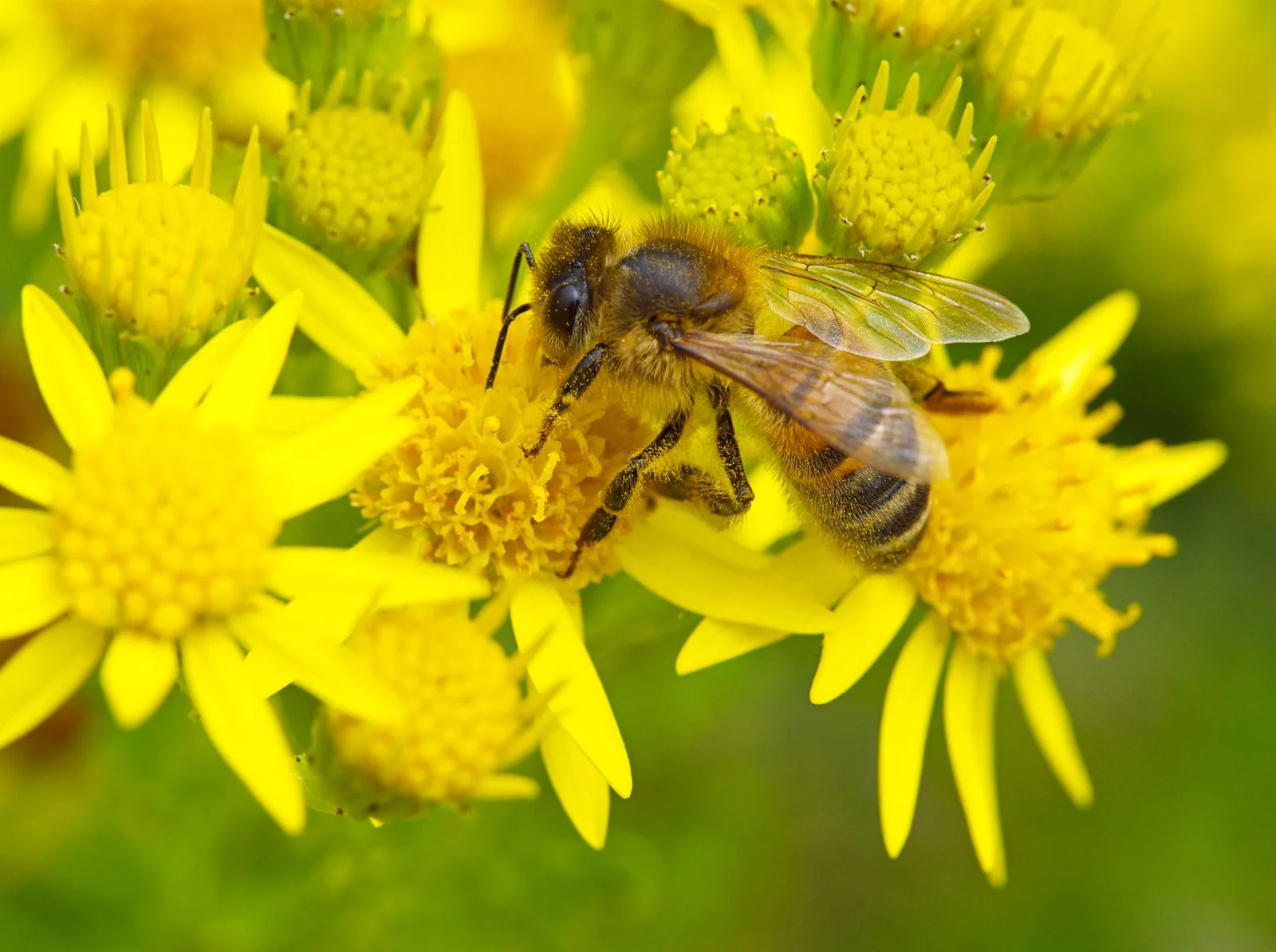
Kai here. Zero drama, zero judgment. Picnics in the park, cocktails on the terrace, lazy afternoons in the garden: sunny days bring us outside, and they bring the bees and wasps out too. Most of the time they are busy minding their own business. But if one does sting you, a calm, quick response makes all the difference. Here is your simple guide.
Bee or Wasp?
- Honeybees usually sting once and leave their stinger behind in the skin, often with a tiny venom sac attached.
- Wasps can sting more than once and do not usually leave a stinger.
Knowing which one got you helps with the first step.
What to Do Straight Away
- Move away calmly. Walk away from the area to avoid more stings. No flapping, please. It only makes them more defensive.
- Remove the stinger, if there is one. Do it as quickly as possible. Scrape it out sideways with a fingernail, the edge of a bank card or something similar. Try not to squeeze it with tweezers or fingers, as that can push more venom in.
- Wash the area gently with soap and water.
- Cool it down. Hold a cold compress, an ice pack wrapped in a cloth or a cold drink can against the sting for 10 to 20 minutes to reduce pain and swelling.
- Raise it. If you were stung on an arm or leg, keep it raised for a while to help with swelling.
Soothing the Next Few Days
- Do not scratch. It can irritate the skin and lead to infection.
- Over-the-counter help: a pharmacist can suggest suitable pain relief, antihistamines or creams to calm itching and swelling.
- Expect some swelling. A red, sore, swollen patch around the sting is normal and can last a few days. Some people get a larger local reaction that spreads a bit further. If it worries you, check with a pharmacist or doctor.
When It Is an Emergency
A small number of people have a serious allergic reaction, called anaphylaxis. It can happen within minutes. Call the local emergency number straight away if someone has:
- Difficulty breathing, wheezing or a tight throat.
- Swelling of the face, lips, tongue or throat.
- Dizziness, feeling faint or confusion.
- A rapid heartbeat.
- Hives or a rash spreading across the body.
- Nausea, vomiting or stomach cramps after the sting.
If the person has an adrenaline auto-injector, help them use it as directed, then still call for emergency help. Also seek urgent help if someone is stung in the mouth or throat, or stung many times.
How to Avoid Stings Outdoors
- Cover food and drinks. Wasps love sweet drinks and meat. Use lids and check cans and glasses before you sip.
- Use a straw for sweet drinks outside.
- Clear up picnic leftovers and bin rubbish promptly.
- Skip strong scents like heavy perfume or cologne on outdoor days.
- Wear shoes on grass, especially near clover and flowers.
- Stay calm. If a bee or wasp flies near you, move slowly away rather than swatting.
- Watch for nests under roofs, in hedges and in the ground, and keep a respectful distance.
Love the Bees
Bees are precious pollinators, and our gardens, flowers and much of our food depend on them. A sting is usually a defensive accident. Give them space and they will happily get on with their work.
If You Know You Are Allergic
Talk to your doctor about an action plan, carry any prescribed medicine, and let friends know what to do.
Sunny days are for enjoying, friend. Keep calm, keep a cold drink handy (for the sting, and for you) and carry on enjoying the garden. Unbothered. Peace.
Comments
Also give your opinion.

 The Captain Look






Leave a comment