

















Happy Arches: How to Choose Insoles and Shoes That Support Your Feet
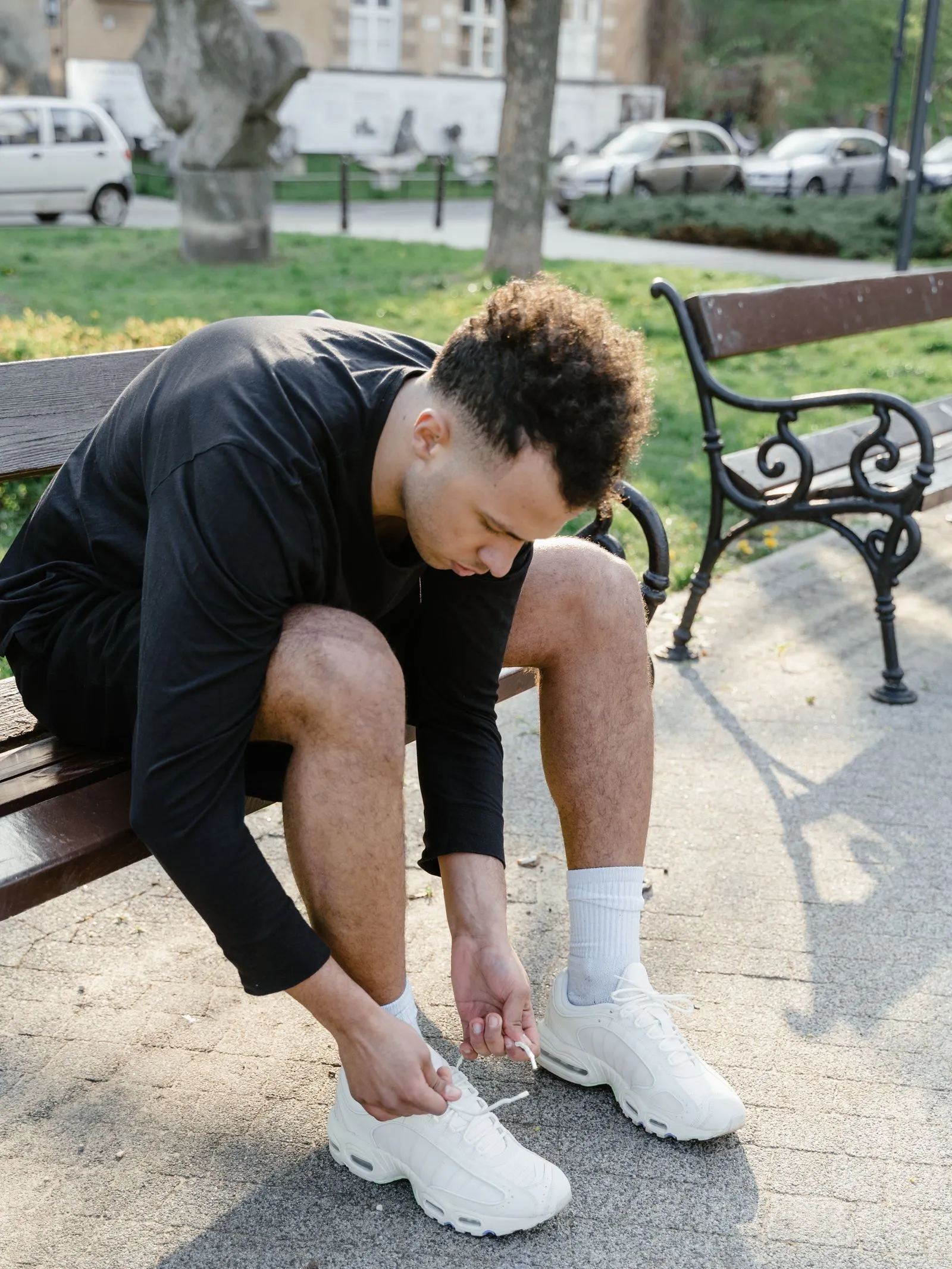
Hey lovely, Kai here. Zero drama, zero judgment, and today, zero sore feet. Your arches carry you through city breaks, long walks along the promenade and every dance floor you have ever conquered. When they are not supported, the whole body notices: tired calves, achy knees, a grumpy lower back. The good news is that a little attention to insoles and shoes can make every step feel lighter.
Get to Know Your Arch
Feet come in three broad shapes, and none of them is wrong:
- Low or flat arches: most of the sole touches the ground. The foot can roll inwards when you walk.
- Neutral arches: a medium curve that spreads the load fairly evenly.
- High arches: only the heel and ball of the foot carry much weight, so pressure can build in those spots.
A simple way to peek at yours: wet your feet and stand on a piece of dark card or a dry towel for a moment. A wide, full print suggests a lower arch. A thin band between heel and toes suggests a higher one. It is only a clue, not a diagnosis, but it helps you shop smarter.
When Insoles Can Help
The flat liner inside most shoes is there for comfort, not support. A better insole can help if you:
- Spend long days walking or standing.
- Notice your feet ache after a few hours in the same shoes.
- Find one part of the sole always wears out first.
- Simply want more cushioning on hard pavements.
Choosing the Right Insole
- Cushioning insoles are soft and squishy. Lovely for comfort, but they do little to guide the foot.
- Supportive insoles have a firmer shaped arch and a deep heel cup. These help feet that roll in or tire quickly.
- Thin insoles suit snug shoes like smart trainers or loafers. Thicker ones need roomier shoes.
- Try before you commit. Stand, walk and climb a few stairs. Support should feel like a gentle hug under the arch, never a hard lump.
Bring the shoes you plan to use when you shop, and take out the original liner before slipping the new insole in. Some insoles can be trimmed at the toe to fit.
Shoes Matter Too
An insole cannot rescue a shoe that is working against you. Look for:
- A firm heel counter. Squeeze the back of the shoe. It should hold its shape.
- Bend in the right place. A good shoe flexes at the ball of the foot, not in the middle.
- Room for your toes. A thumb’s width of space at the front, and enough width that toes can wiggle.
- Shop later in the day, when feet are at their fullest size.
Rotate between two or three pairs if you can, so each pair gets a rest and keeps its cushioning longer.
Ease In Gently
New support can feel strange at first. Wear new insoles for an hour or two on the first day, then build up over a week. Keep moving your feet barefoot at home too: rolling a ball under the sole, picking up a sock with your toes and calf raises all keep the small muscles strong.
When to See a Professional
If you have pain that lasts, numbness, swelling or a sharp pain in the heel first thing in the morning, book a visit with a podiatrist or your doctor. They can check how you walk and suggest custom options if you need them.
Treat your feet kindly and they will carry you anywhere, gorgeous. Unbothered, peaceful and comfortable, all the way to the beach.
Comments
Also give your opinion.

 The Captain Look






Leave a comment