

















Early Bird or Night Owl? How to Live in Tune With Your Body Clock
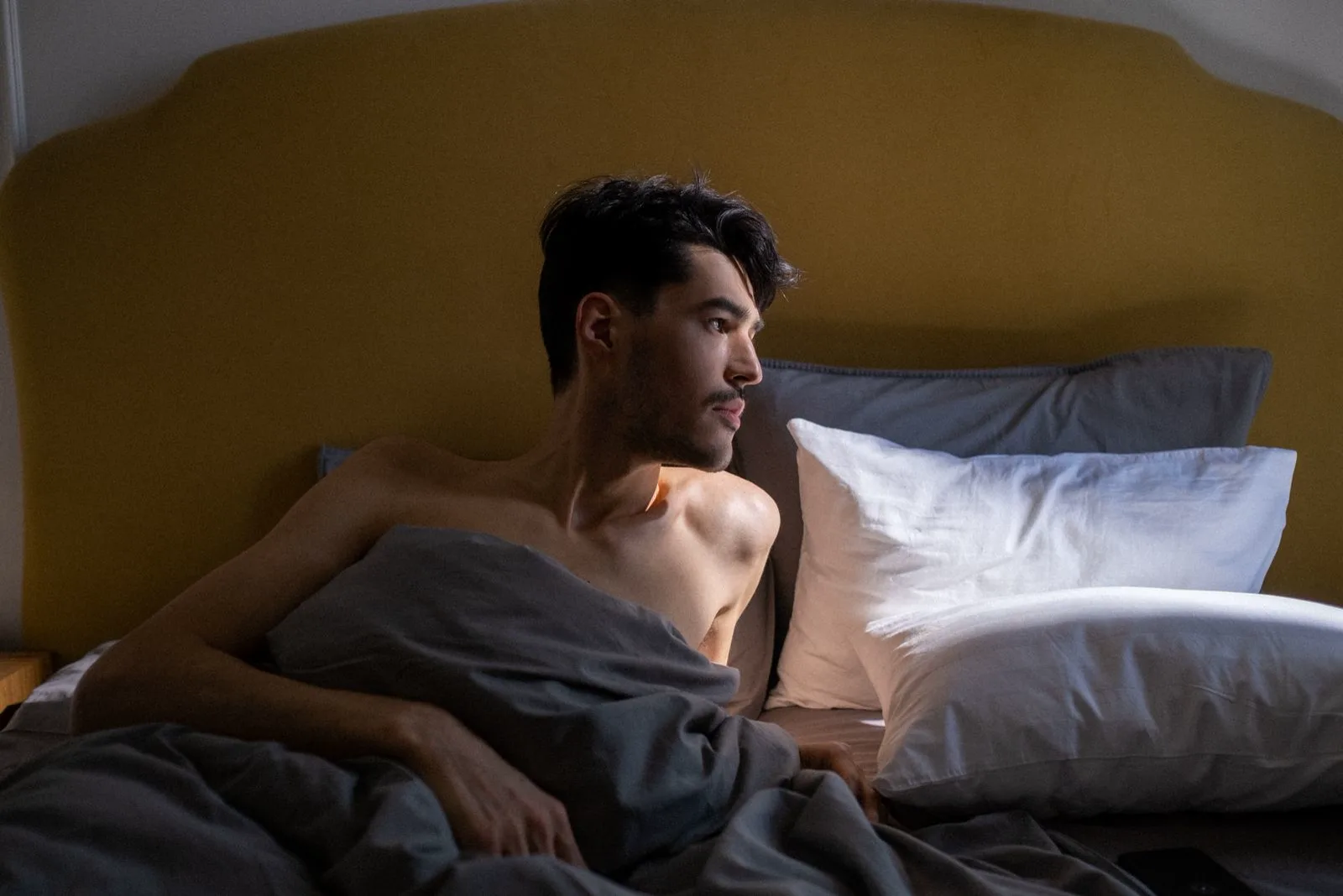
Some of us bounce out of bed singing at dawn, others only switch on after sunset. Neither is lazy and neither is better. Kai here, totally unbothered, and today we are talking about your chronotype: your natural rhythm of sleepy and alert. Working with it instead of fighting it can mean better sleep, steadier energy and a much calmer you.
What a Chronotype Is Everyone has an internal body clock that runs on a cycle of roughly 24 hours. It tells you when to feel sleepy, when to feel sharp and when to feel hungry. Your chronotype is where your clock naturally sits. Morning types peak early and fade early. Evening types warm up slowly and hit their stride later. Most people land somewhere in the middle. Genes play a big part, and it often shifts with age: many people get earlier as the years go by.
Find Your Type Try this simple test on a relaxed stretch of days with no alarm, like a holiday.
- Notice when you naturally get sleepy and when you wake up feeling rested.
- Notice when you feel most focused, and when you hit a slump.
- If you would happily sleep from around 10pm to 6am, you lean morning. If midnight to 8am or later feels natural, you lean evening.
Light Is Your Remote Control Light is the strongest signal your body clock listens to.
- Morning light shifts your clock earlier. Spending 10 to 20 minutes outside soon after waking, coffee in hand, is one of the best habits for anyone who wants to feel sleepy at a sensible hour.
- Bright evening light pushes your clock later. Dim the lights in the last hour or two before bed and turn screens down.
- Night owls with early starts benefit most from bright mornings and dim evenings.
Plan Your Day Around Your Peaks You cannot always choose your schedule, but small tweaks help.
- Morning types: do focused work and workouts early, and keep the evening for easy, social or cosy things.
- Evening types: save the trickiest tasks for late morning or afternoon if you can, and train later in the day when your body feels strongest.
- Everyone: notice your afternoon dip and use it for easy jobs or a short walk rather than another coffee.
Food and Caffeine Timing Regular meal times act as a gentle second signal for your body clock. A steady breakfast time helps anchor your day, while big late dinners can keep you up. Keep caffeine to the first part of the day, because it lingers in the body for hours.
Keep It Steady The biggest gift you can give your body clock is consistency. Try to wake up at roughly the same time every day, weekends included, within an hour or so. Huge lie-ins after late nights confuse your rhythm and make Monday harder.
Be Kind to Your Rhythm If you are an owl living in an early-bird world, you are not broken. Shift gently, about 15 minutes at a time, rather than forcing a dramatic new routine overnight. And if you sleep badly for weeks no matter what you try, or feel exhausted all the time, have a chat with your doctor.
Zero drama, zero judgment: larks and owls both deserve a good night’s sleep. Find your rhythm, follow the light, and let your energy flow.
Comments
Also give your opinion.

 The Captain Look






Leave a comment