

















Just Hang Out: The Dead Hang for Grip, Shoulders and a Happier Back, Babe
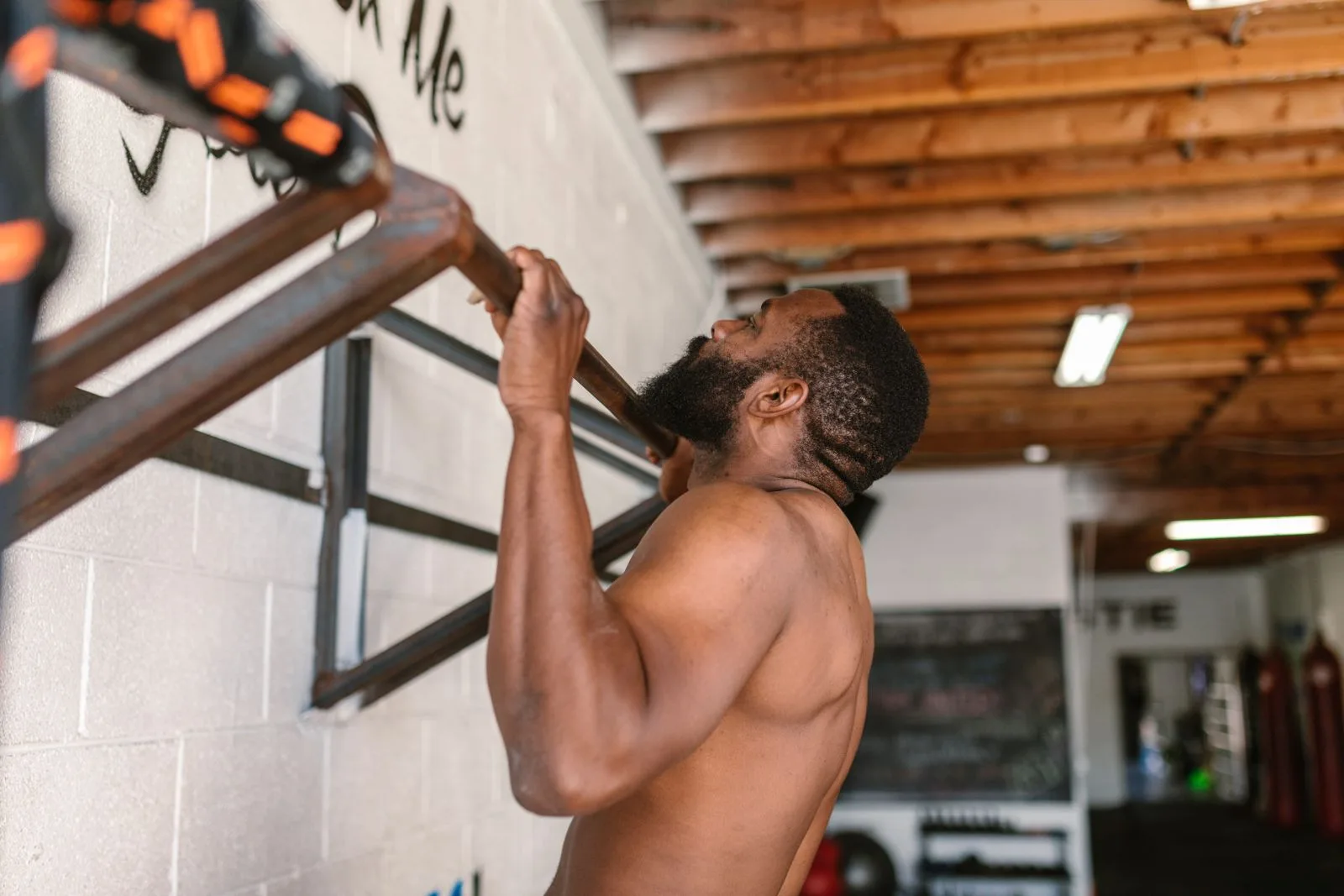
Hey babe! What if one of the most useful exercises in the gym involved… just hanging there? No reps, no counting, no fancy technique. The dead hang is exactly what it sounds like: grab a bar and hang from it. It sounds almost too easy, but it builds a crushing grip, opens up tight shoulders and gives your back a lovely stretch after a long day of sitting. Let’s hang out!
What the Dead Hang Does for You
- Grip strength: holding your own bodyweight works your hands and forearms hard. A strong grip helps with deadlifts, rows, pull-ups and carrying all your shopping in one trip.
- Shoulder mobility: hanging gently stretches your shoulders and lats, which tend to tighten up from desk work and lots of pressing.
- Back relief: many people find hanging feels like a gentle stretch through the spine after sitting.
- Pull-up prep: it’s the perfect first step on the road to your first pull-up.
How to Do a Perfect Dead Hang
- Find a sturdy bar high enough that your feet can leave the ground with arms straight. A pull-up bar, a squat rack bar or monkey bars in the park all work.
- Step up and grip with your hands about shoulder-width apart, palms facing away. Wrap your thumbs around the bar.
- Lift your feet gently, or bend your knees if the bar is low. Don’t jump up and drop with a jolt.
- Let your body hang with arms straight, breathing slowly. Keep your legs together and your body still, not swinging.
- Step down with control when you’re done.
Passive vs Active Hang
- Passive hang: relax your shoulders and let them rise towards your ears. This is the stretchy, decompressing version. Keep it gentle and stop if anything feels pinchy.
- Active hang: pull your shoulder blades down and slightly back, as if putting them in your back pockets, without bending your arms. Your body lifts a little. This version builds shoulder stability and strength.
Try both. Many lifters use passive hangs as a stretch and active hangs as training.
Beginner Plan
Start where you are, babe. Nobody is judging your first ten seconds.
- Week one: three hangs of 10–20 seconds, resting a minute between.
- Build gradually: add a few seconds each session until you can hang for 30–60 seconds.
- Do it two or three times a week, at the end of an upper-body workout or as a quick break at home if you have a doorway bar.
Too Hard? Make It Easier
- Keep your feet on a box or the floor and take some of your weight through your legs.
- Use straps or a thicker towel over the bar if your hands give up before your shoulders do (and slowly wean yourself off them).
- Shorter holds, more sets. Five hangs of ten seconds still count.
Too Easy? Level Up
- Add time. Can you hang for a minute? Gorgeous. Try 90 seconds.
- Hang with one hand on a towel, or switch to a thicker grip.
- Try single-arm hangs with your feet supported to start.
- Add slow scapular pull-ups, pulling your shoulder blades down and up while hanging.
Safety Notes
Check the bar is secure before you hang, especially doorway bars. Chalk helps with sweaty palms. If you have a shoulder injury or feel sharp pain, stop and speak to a physio or doctor before continuing. Your hands will feel it at first, and calluses are part of the journey, but tearing skin is not.
Brad’s Pep Talk
The dead hang is the simplest strength move there is, and one of the best. Grab the bar, breathe, hold on and feel your grip and shoulders thank you. Sunshine and pop divas, babe! Now go hang out. Gotta order more protein.
Comments
Also give your opinion.

 The Captain Look

Leave a comment