

















Pop, Click, Relief: Easing Ear Pressure on Flights, Dives and Mountain Roads
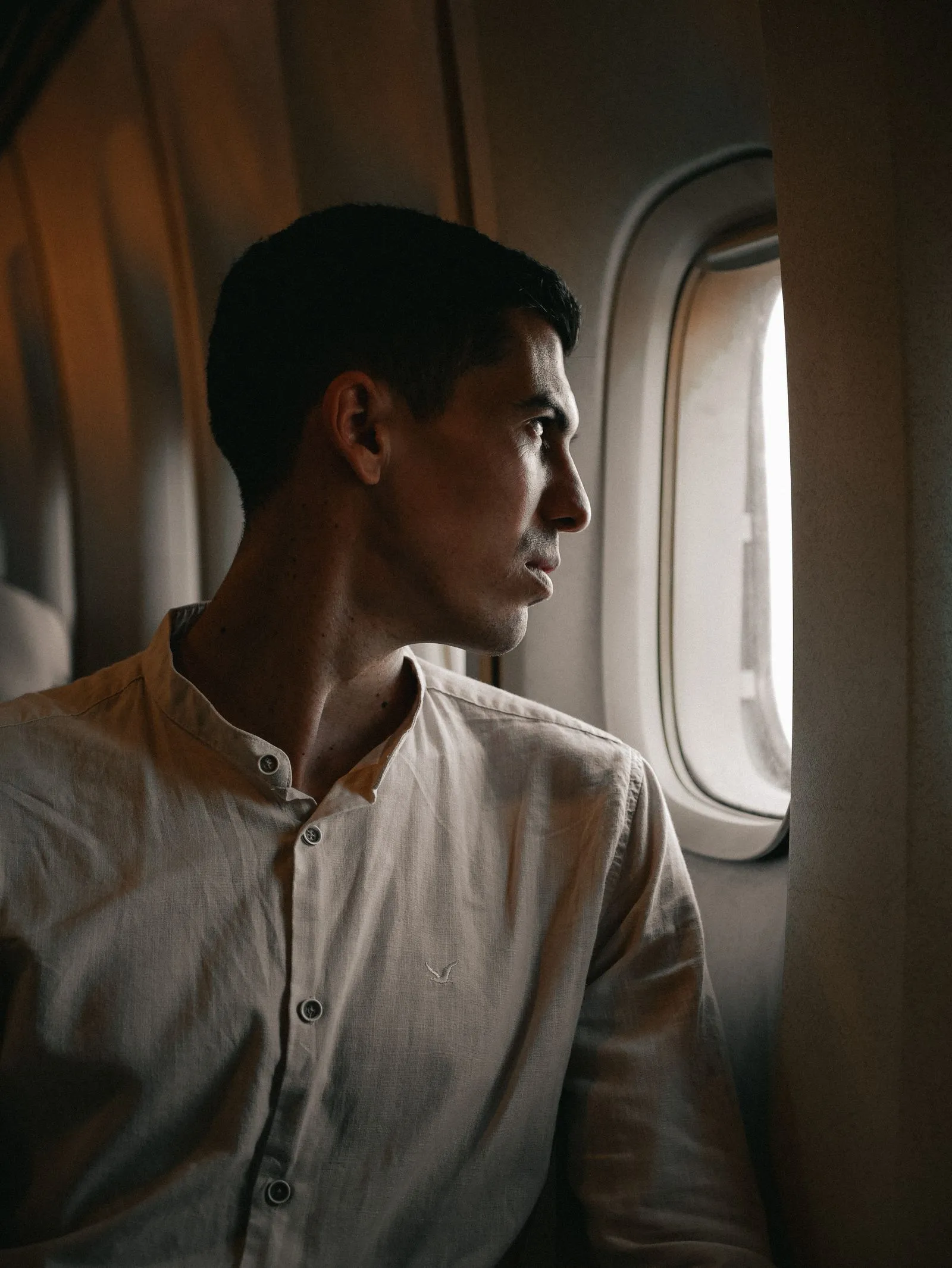
Zero drama, friends. You know the feeling: the plane starts its descent and suddenly your ears feel full, muffled and a bit achy, like your head is wrapped in cotton wool. Kai here, and the good news is that a few calm habits usually sort it out. Here is why it happens and how to help your ears pop gently, whether you are flying, diving or winding up a mountain road.
Why Your Ears Feel Blocked
Behind your eardrum is a small air-filled space. A tiny tube connects it to the back of your nose and throat, letting air in and out to keep the pressure balanced. When the air pressure around you changes quickly, that tube needs to open to catch up. If it opens slowly, the pressure on each side of the eardrum is uneven, and you feel fullness, muffled sound or discomfort.
Common moments:
- Take-off and especially landing on a flight.
- Diving or swimming down to the bottom of a deep pool.
- Driving up or down mountains.
- Fast lifts in tall buildings.
Gentle Ways to Help Your Ears Pop
- Swallow often. Every swallow opens the tube a little. Sip water slowly.
- Yawn. A real or fake yawn is one of the best natural openers.
- Chew gum or suck a sweet. It keeps you swallowing without thinking.
- Move your jaw. Wiggle it gently side to side or open your mouth wide.
- The gentle nose pinch. Close your mouth, pinch your nose and breathe out very softly, as if blowing up a balloon with your nose, until you feel a small pop. Gentle is the key word. Never force it.
Flying Tips
- Stay awake for the descent if you can, so you keep swallowing. If you nap, ask a friend to wake you as the plane starts coming down.
- Start early. Begin swallowing and yawning as soon as you feel the descent begin, before your ears feel blocked.
- Stay hydrated. Cabin air is dry, and water helps everything work more smoothly.
- Try pressure-regulating earplugs. Many travellers find they make landings more comfortable. Pharmacies and airports often sell them.
Diving and Swimming Tips
- Equalise early and often, every metre or so on the way down, before you feel discomfort.
- Descend feet first and slowly. Pausing gives your ears time to adjust.
- If it hurts, go up a little, equalise again, then continue. Never push through pain.
- Take a proper course before scuba diving. Instructors teach safe equalising techniques.
On Mountain Roads
- Swallow, yawn or chew as you climb or descend.
- If you are driving, take a short break at a viewpoint. Enjoy the view while your ears settle.
Skip the Trip Plans When Your Nose Is Blocked
A cold or a stuffy nose makes the tube swell, so ears struggle to balance. If you are congested before a flight or dive, ask a pharmacist for advice. Diving with a blocked nose is not recommended.
When to Get Help
Most blocked ears clear within a few hours. See a doctor or pharmacist if:
- Pain is strong or does not ease.
- Fullness or muffled hearing lasts more than a day or two.
- You notice fluid or blood from the ear, dizziness or ringing.
They can check your ear and give proper advice.
A little swallowing, a big yawn and a calm mind: your ears will catch up with the adventure in no time. Unbothered. Peace.
Comments
Also give your opinion.

 The Captain Look






Leave a comment