

















Clay, Sheet or Overnight? The Face Mask Guide for Glowing Skin, Darling
 By Victor de Venus
Darling, there is something deliciously decadent about a face mask. Ten minutes, a cup of tea, your favourite playlist and a face that looks noticeably fresher afterwards. But the shelves are a jungle: clay, sheet, gel, cream, overnight, peel-off. Which one does your skin actually want? Let Victor decode it for you.
First, Know Your Skin
- Oily: shiny by midday, enlarged pores, prone to breakouts.
- Dry: feels tight after washing, maybe a little flaky.
- Combination: oily T-zone (forehead, nose, chin), drier cheeks.
- Sensitive: reacts easily, goes red or stings with new products.
- Normal: lucky you, darling. Few complaints either way.
The Mask Menu
- Clay masks: made with clays like kaolin or bentonite. They soak up excess oil and help pores look clearer. Best for oily and combination skin. Use once or twice a week.
- Sheet masks: a fabric sheet drenched in serum. Pure hydration and an instant glow. Great before a night out or a big event. Suitable for most skin types.
- Cream masks: rich and nourishing, perfect for dry or tired skin that needs comfort.
- Gel masks: cooling and lightweight, lovely for calming skin after sun or a long day. Pop it in the fridge for extra refreshment.
- Overnight masks: a thick moisturising layer you apply as the last step at night and rinse off in the morning. Ideal for dry or dehydrated skin.
- Exfoliating masks: contain acids or enzymes to smooth skin texture. Powerful, so use them sparingly and never on irritated skin.
Multi-Masking Like a Pro
Combination skin? Do both, darling. Apply a clay mask to your T-zone and a hydrating cream or gel mask on your cheeks at the same time. Each area gets what it needs.
How to Mask Properly
- Start clean: wash your face with a gentle cleanser.
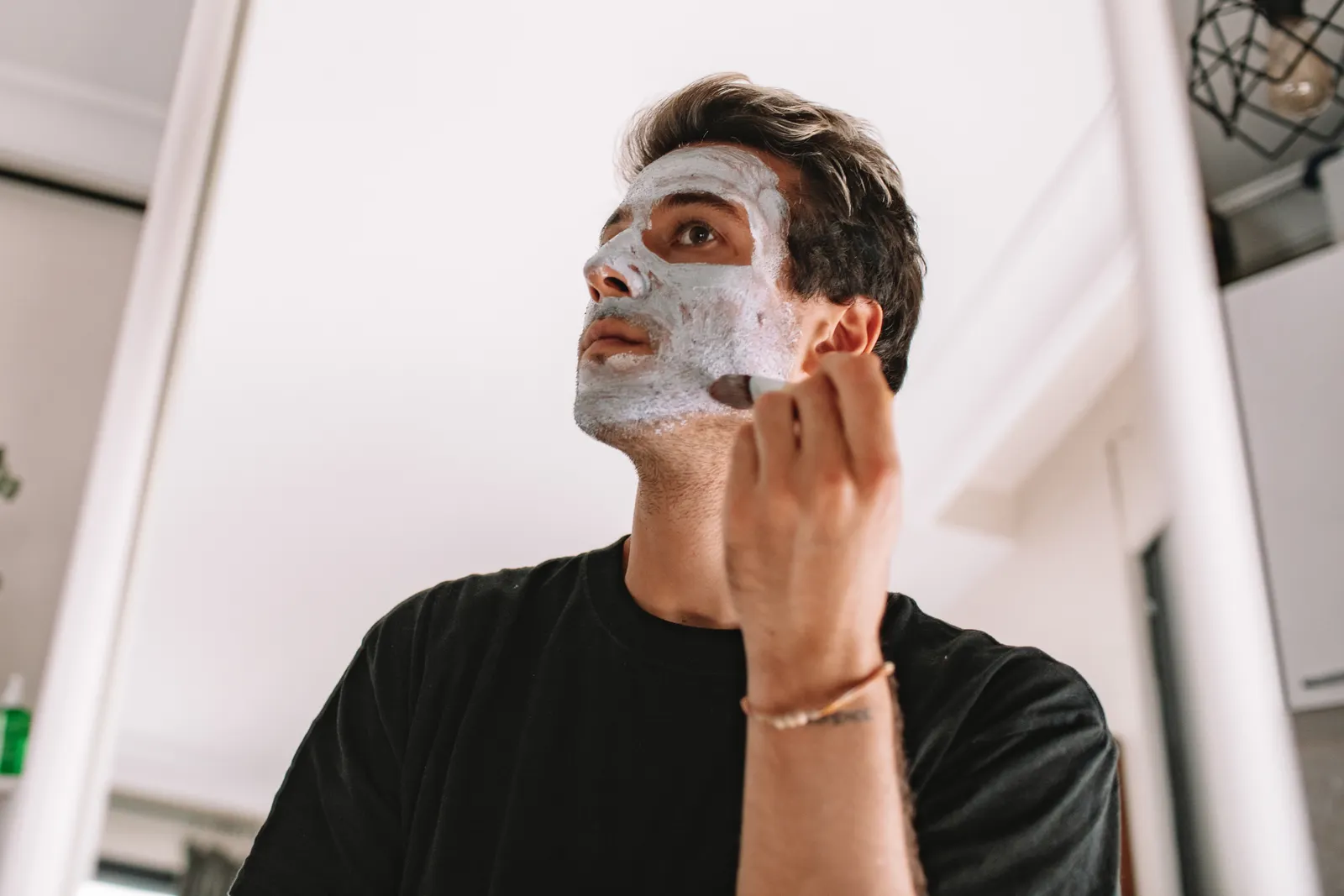
- Apply evenly: use clean fingers or a brush, and avoid the delicate eye area and lips unless the product says otherwise.
- Do not overdo the time: follow the instructions. With clay, rinse it off before it cracks and feels uncomfortably tight, because overdrying can leave skin irritated.
- Rinse gently: lukewarm water, a soft cloth, no scrubbing.
- Seal it in: follow with moisturiser, and SPF if it is daytime.
How Often?
Most masks are best one to three times a week. Sheet and hydrating masks can be used more often; exfoliating masks should stay at about once a week. More is not better here.
Mind the Beard
If you have facial hair, clay and peel-off masks can be a sticky situation. Stick to the bare areas of your face and choose cream or gel masks that rinse out of the beard easily.
Patch Test First
New product? Try a little on your inner arm or behind your ear first and wait 24 hours. If you notice redness, burning or itching, skip it. If you have a skin condition like eczema or rosacea, ask a dermatologist which masks are safe for you.
Make It a Ritual
The magic of a mask is partly the pause. Dim the lights, run a bath or sit on the balcony with a herbal tea. Self-care is not vanity, it is maintenance for the fabulous creature you are.
So pick your mask, set your timer and glow up. Werk! Slay!
Comments
Also give your opinion.

 The Captain Look




Leave a comment