

















En Garde, Babe: The Beginner’s Guide to Fencing as a Workout
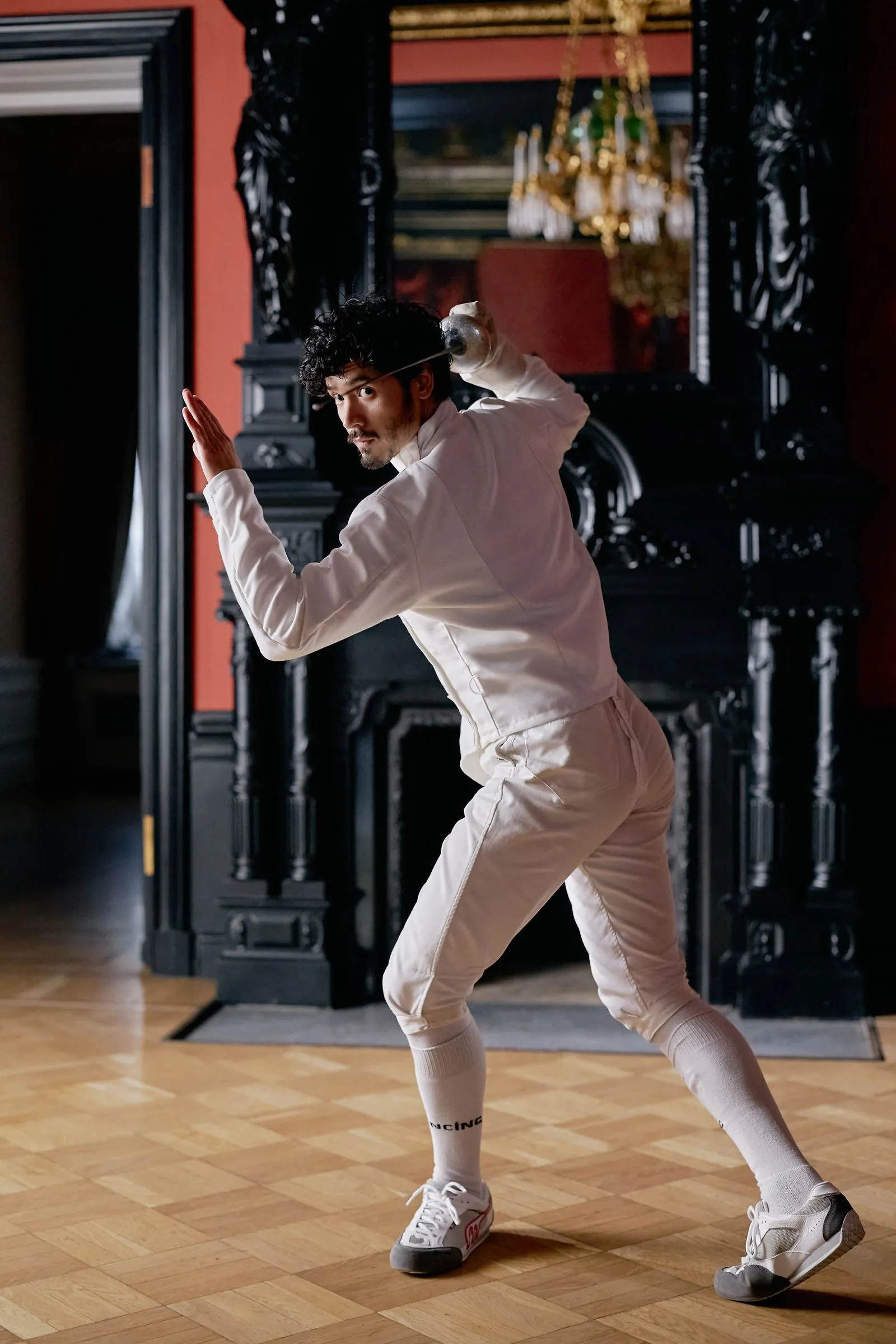
Hey babe, Brad here, and today we are getting dramatic. Swords, masks, crisp white outfits and lightning-fast lunges: fencing is basically a costume party with cardio. It sharpens your legs, your reflexes and your brain at the same time. If you have ever wanted to feel like the hero of a period drama, grab a blade.
The Three Weapons
Fencing uses three different weapons, each with its own rules:
- Foil: light and flexible. You score by touching the opponent’s torso with the tip. Great for learning technique, and many clubs start beginners here.
- Épée: heavier, and the whole body is a target. No complicated priority rules, just the first hit.
- Sabre: fast and flashy. You can hit with the edge as well as the tip, above the waist. Bouts are short and explosive.
Most clubs let beginners try one first and explore the others later.
Why It Is Such a Good Workout
- Legs of steel. The fencing stance is a low, bent-knee position you hold for minutes. Quads, glutes and calves are working constantly.
- Explosive power. The lunge and quick footwork build speed and spring.
- Cardio in bursts. Bouts are short and intense, a natural interval session.
- Reflexes and focus. Fencing is often called “physical chess”. You read your opponent, plan and react in a split second.
- Coordination. Hand and feet must work together with precision.
Your First Class
- No kit needed. Most clubs lend beginners a mask, jacket, glove and weapon for the first sessions.
- Wear comfortable tracksuit bottoms, a T-shirt and indoor trainers with flat soles.
- Expect lots of footwork. You will learn the en garde stance, advancing, retreating and the lunge before you hold a blade properly.
- Then come the basics: how to hold the weapon, simple attacks and parries, and how to salute.
- Safety is serious. Never point a weapon at anyone without a mask, and always follow the coach.
Fencing Etiquette
- Salute your opponent, the referee and any audience before and after each bout.
- Shake hands with your ungloved hand at the end.
- Stay humble. Everyone gets hit, often. That is how you learn.
Train Off the Piste
Boost your fencing with a little extra work at the gym:
- Split squats and lunges for strength in the front leg.
- Calf raises and skipping for springy footwork.
- Hip mobility and hamstring stretches for a deeper lunge.
- Core work like planks and side planks for balance.
- Shoulder stability exercises for the weapon arm.
Finding a Club
Search for fencing clubs in your city, or check your national fencing federation’s website for a club list. Many run beginner courses over a few weeks, and plenty welcome adults of every age. Fencing is a sport where older beginners can thrive, because tactics count as much as speed.
Pull on the whites, salute with style and lunge into something new, babe. Now excuse us, gotta order more protein.
Comments
Also give your opinion.

 The Captain Look
Leave a comment