

















Flip-Flop Feet: How to Enjoy Beach Sandals Without the Aches
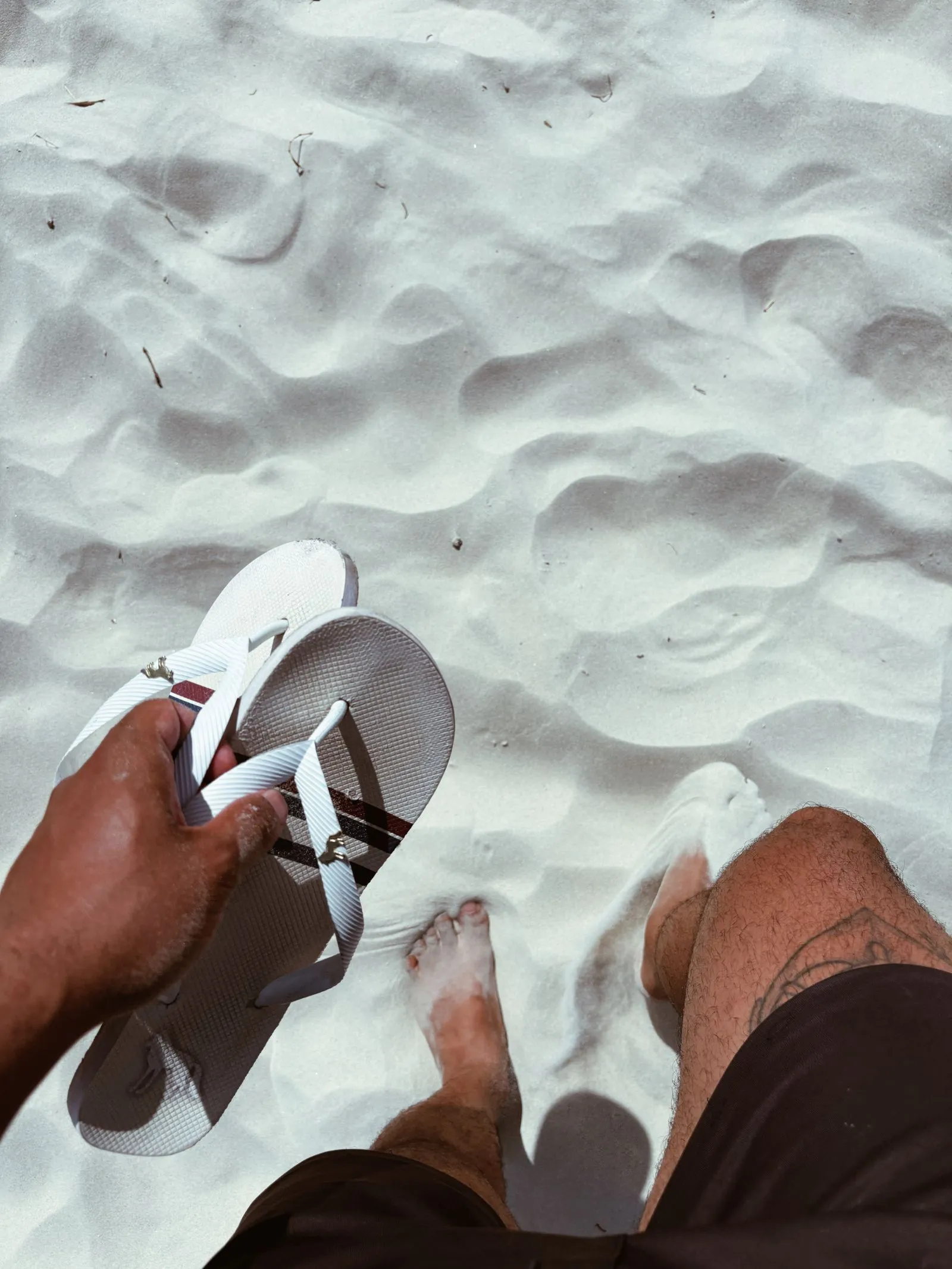
Kai Zion here, zero drama, zero judgment. Flip-flops are the official footwear of paradise: easy on, easy off, sandy and carefree. But wear them all day, every day, for long walks and city sightseeing, and your feet, ankles and even knees may start to grumble. You do not have to give them up. Just learn when they shine and when your feet need a little more support.
Why Flip-Flops Can Cause Aches
- No arch support: most flat flip-flops let your arch collapse with every step.
- Toe gripping: to keep them on, your toes claw at the sole. Over hours, that can tire the small muscles of your feet.
- Shorter steps: many people shuffle in flip-flops, which changes how they walk.
- Little cushioning: thin soles pass more impact up to your heels, knees and back.
- Exposed feet: stubbed toes, cuts and sunburn on the tops of feet are common.
Where Flip-Flops Are Perfect
- On the beach and around the pool.
- In shared showers, changing rooms and gym showers.
- For short trips to the shop or café.
- Around the boat deck when the skipper allows it, with care on wet surfaces.
When to Choose Something Else
- Long walks and sightseeing days: supportive sandals with a back strap or comfortable trainers.
- Hiking or uneven paths: proper outdoor sandals or shoes with grip.
- Driving: loose flip-flops can slip under pedals.
- Sports: even a casual kickabout or beach volleyball is better barefoot on sand or in the right shoes.
Choosing Kinder Flip-Flops
- Look for arch support and a slightly contoured footbed.
- A thicker, cushioned sole that does not bend completely in half.
- A soft, comfortable toe post that does not rub.
- The right size: your heel and toes should not hang off the edges.
- Replace worn pairs: once the sole is flattened or uneven, it is time.
Look After Your Feet
- Sunscreen on the tops of your feet: easily forgotten, easily burned.
- Moisturise your heels: open shoes and sand can leave heels dry and cracked.
- Check for blisters between your toes where the post sits.
- Rinse off sand and salt at the end of the day.
Little Exercises for Strong Feet
Spread your toes, pick up a towel with them and roll a small ball under each foot for a minute. Stronger feet cope better with all kinds of footwear.
When to Get Help
If you develop heel pain, especially first thing in the morning, or ongoing pain in your arch, ankles or knees, consider changing your footwear and talk to a doctor, physiotherapist or podiatrist.
Sandy toes, happy soles, easy summer strolls. Unbothered. Peace.
Comments
Also give your opinion.

 The Captain Look






Leave a comment