

















Roll With It: The Easy Guide to Foam Rolling for Everyday Stiffness
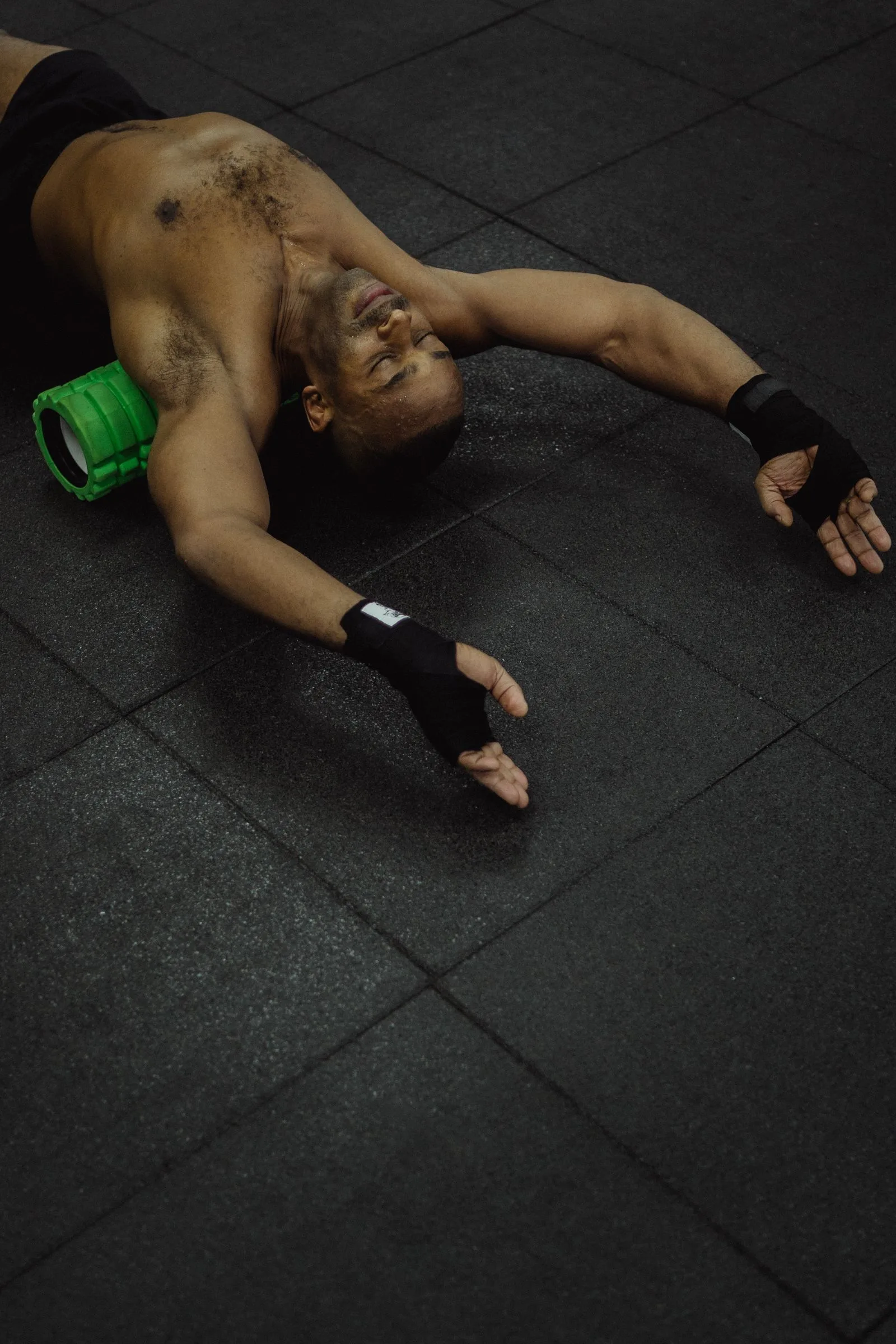
Zero drama, zero judgment: a foam roller is one of the cheapest and calmest ways to treat a body that feels tight. Long days on your feet, a big walk, a busy week at the gym: we all collect a little stiffness. A few unhurried minutes on a roller can help you feel looser and more comfortable. Here is how to do it kindly.
What a Foam Roller Does (and Doesn’t)
- It feels good. Rolling is a form of self-massage. Many people find it eases that tight, heavy feeling in their muscles and helps them move more freely for a while afterwards.
- It is a helper, not a cure. It does not “break up” anything or replace sleep, water and movement. Think of it as a pleasant tune-up.
- It is not for injuries. Sharp pain, swelling, a recent strain or anything that worries you is a job for a doctor or physiotherapist, not a roller.
Choosing a Roller
- Soft or medium foam is the friendliest place to start. Very firm rollers and textured spiky ones can wait until you know what you like.
- A standard length (around the width of your shoulders or more) is easiest for your back and legs. A short one travels well.
- Add a ball later. A tennis ball or massage ball reaches small spots like the soles of your feet and around the shoulder blades.
The Golden Rules
- Go slowly. About one centimetre per second. Rushing back and forth does very little.
- Breathe. Long, easy breaths tell your body it is safe to relax.
- Aim for a “good hurt”, never pain. On a scale of one to ten, stay around a four. If you wince, ease off by taking some weight onto your hands or feet.
- Avoid bones and joints. Roll the muscle, not the knee, the ankle or the spine itself.
- Skip the lower back. Roll the upper back and the bottom, but do not roll directly on the lower back; use gentle stretches there instead.
- Thirty to sixty seconds per area is plenty.
A Ten-Minute Routine
- Calves. Sit with the roller under your calves, hands behind you, lift your hips and roll from ankle to just below the knee. Cross one leg over the other for more pressure.
- Hamstrings. Same position, roller under the back of the thighs, from just above the knee to just below the bottom.
- Quads. Lie face down, forearms on the floor, roller under the front of your thighs. Roll from hip to just above the knee.
- Outer hips and glutes. Sit on the roller, cross one ankle over the other knee and lean towards that side. Small slow movements.
- Upper back. Lie with the roller across your shoulder blades, hands supporting your head, hips on the floor or lifted. Roll from mid-back to the top of the shoulders.
- Lats. Lie on your side with the roller under your armpit, arm stretched overhead. Roll a few centimetres down the side of your ribs.
When to Roll
- Before moving, a quick one to two minutes can help you feel ready.
- After a long day or a workout, a slower session feels like a reward.
- In the evening, gentle rolling plus deep breathing makes a lovely part of a wind-down routine.
Who Should Check First
Talk to a professional before rolling if you have a medical condition affecting your circulation or blood clotting, bone health worries, varicose veins, a recent injury or you are recovering from surgery.
The Final Word
No pressure, no performance: just you, the floor and a bit of foam. Roll slowly, breathe deeply and listen to your body. Unbothered. Peace.
Comments
Also give your opinion.

 The Captain Look





Leave a comment