

















Down and Up Again: Why Getting Off the Floor Easily Matters for Life
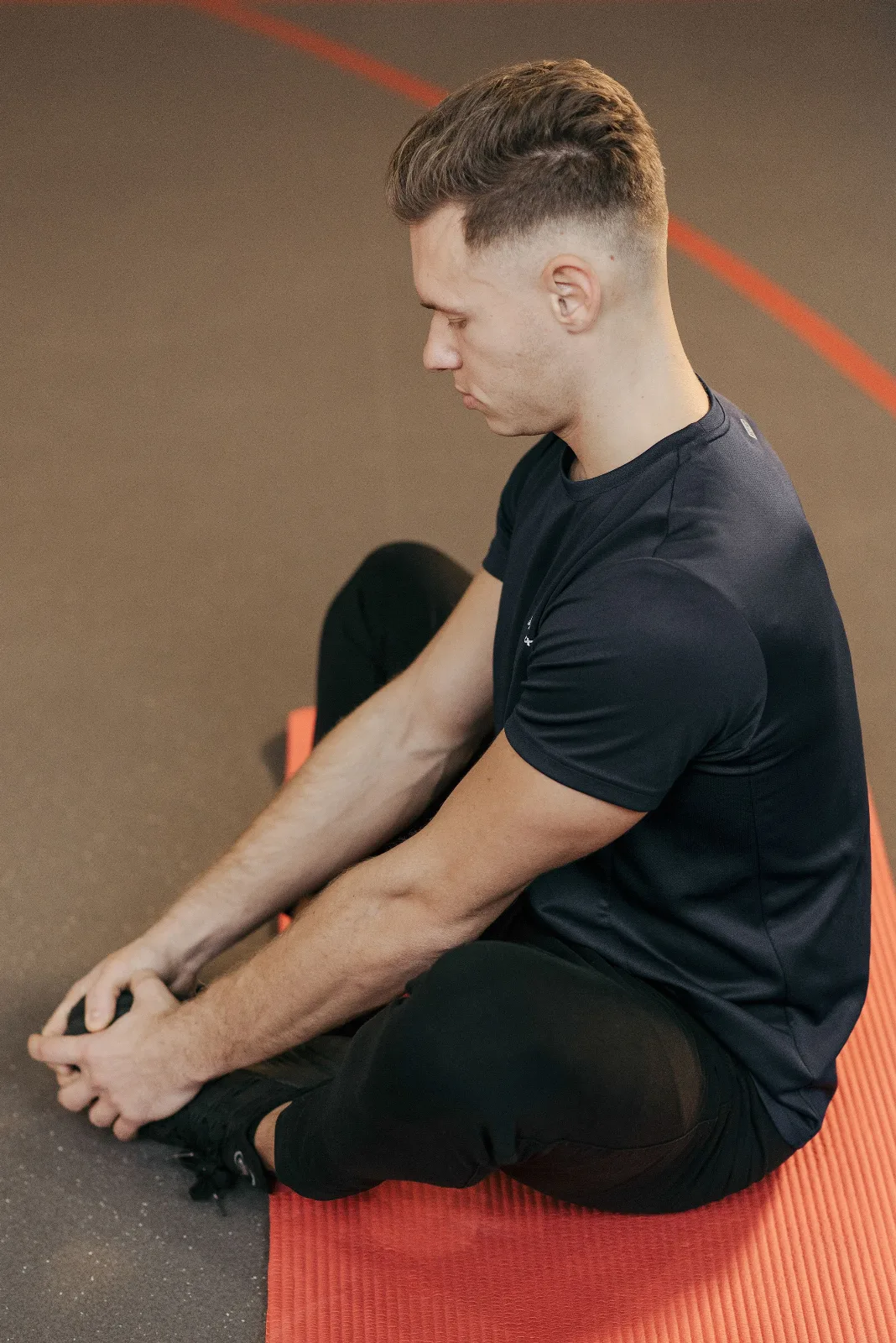
Here is a simple test: sit down on the floor, then stand back up. How did that feel? Smooth and easy, or a bit of a struggle with hands, knees and a little groan? Getting down and up with ease is one of the quietest signs of good, lifelong mobility, and Kai says it is never too late to practise. Zero drama. Zero judgment.
Why It Matters
We spend most of our lives on chairs, sofas and car seats. Over time our hips, knees and ankles get used to a small range of movement, and floor sitting starts to feel foreign. Yet being comfortable on the floor means you can play with kids or dogs, sit on the beach, stretch, garden and recover from a stumble with confidence. Keeping this skill is an investment in your independence for decades.
The Sit-and-Rise Challenge
Try this, carefully, on a soft surface with something sturdy nearby:
- Stand with your feet a little apart.
- Lower yourself to sit cross-legged on the floor, using as little support as you can.
- Then rise back up to standing the same way.
Using hands, knees or a chair is completely fine. This is not a pass-or-fail exam. It is a starting point, so you know where you are and can notice progress. If you have joint problems, balance issues or recent injuries, check with a doctor or physiotherapist before trying.
Spend More Time on the Floor
The easiest way to improve is to simply be on the floor more often:
- Sit on the floor while you watch a film or chat with friends.
- Read or have your morning coffee sitting on a cushion.
- Change positions often: cross-legged, kneeling, side-sitting, legs out long.
- Use a cushion or folded blanket under your hips to make it comfortable.
Every time you get down and up again, you are practising.
Moves That Help
- Deep squat hold: hold a doorframe and sink into a comfortable squat for 20 to 30 seconds. Raise your heels on a towel if needed.
- Kneeling to standing: from kneeling, step one foot forward and press up. Alternate sides.
- Hip rotations: sit with knees bent and feet wide, then let both knees fall gently to one side, then the other.
- Glute bridges: lying on your back, lift your hips. Strong hips make rising easier.
- Sit-to-stand from a chair: stand up and sit down slowly, ten times, without using your hands if you can.
Make It a Daily Habit
A few minutes a day beats an occasional long session. Pair it with something you already do: a few squat holds while the kettle boils, five minutes of floor sitting during your favourite show, sit-to-stands during phone calls. Small and steady, always.
Kindness Over Comparison
Bodies differ. Old injuries, joint shape and genetics all play a part, and some people will always need a hand to get up. That is perfectly okay. The goal is not perfection, it is keeping and gently improving what you have.
When to Get Help
If getting up from the floor is becoming harder quickly, or comes with pain, dizziness or falls, please speak to a doctor or physiotherapist. They can help with a safe plan that suits you.
Down to the floor and up again, a little more easily each week. That is how we stay free, playful and strong. Unbothered. Peace.
Comments
Also give your opinion.

 The Captain Look





Leave a comment