

















Get a Grip: Why Hand Strength Matters for a Long, Active Life
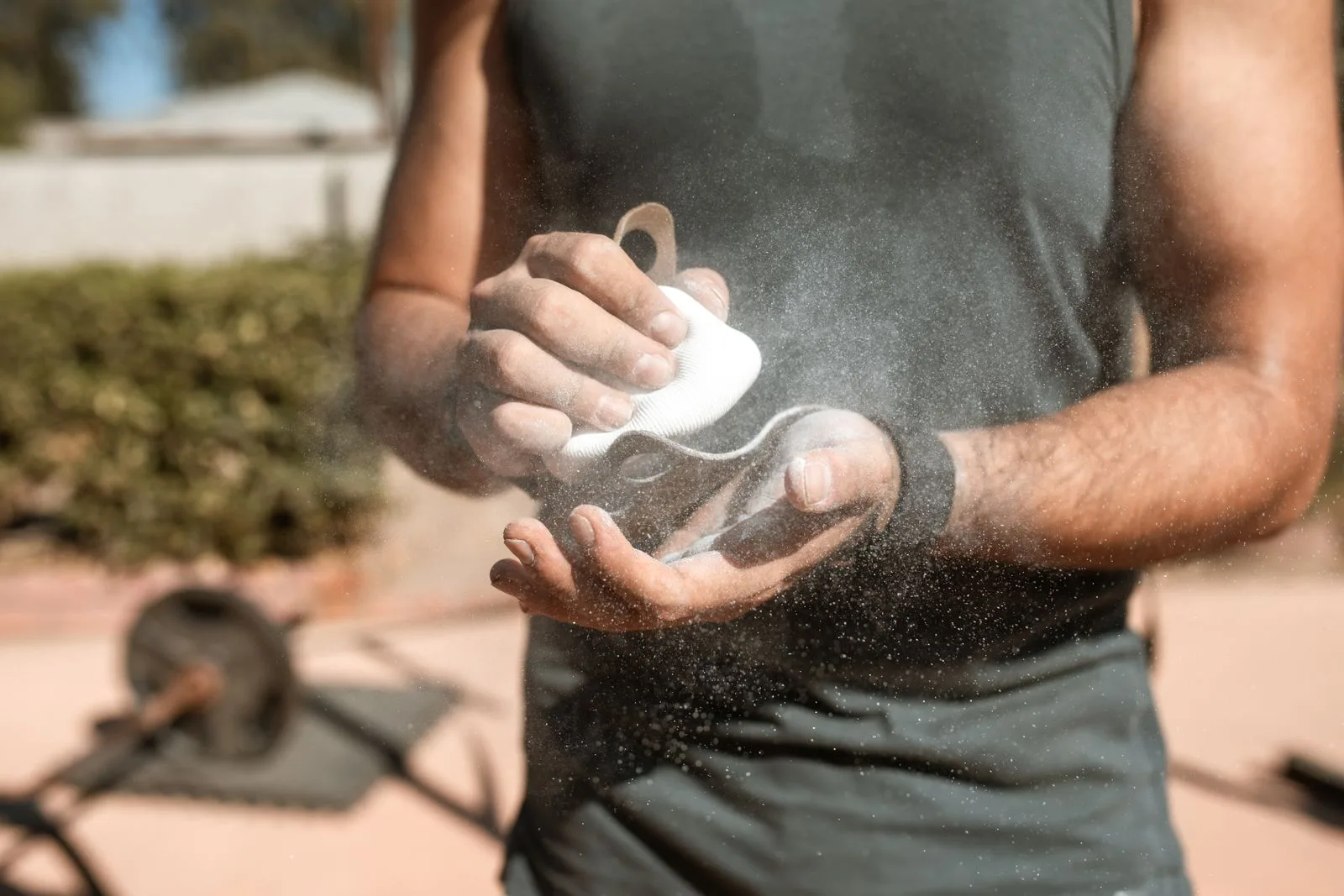
Zero drama, zero judgment, just a firm handshake. Your grip matters far beyond the gym. It is how you open jars, carry shopping, hold on to a boat rail when the sea gets playful and lift your suitcase into the overhead bin. Studies link grip strength with overall strength and healthy ageing, and the good news is that it responds quickly to a little attention.
Why Grip Is a Great Health Habit
- Everyday independence. Carrying, opening, lifting, climbing: strong hands make daily life easier at every age.
- A window into overall strength. Researchers often use grip as a simple marker of how strong someone is in general. When your grip improves, it usually means the rest of you is getting stronger too.
- Healthy joints. Working the hands and forearms gently helps keep fingers, wrists and elbows comfortable.
- It is easy to train. No expensive kit and a few minutes a day are enough.
Simple Ways to Build It
- Carry things. Heavy shopping bags, a full water bottle in each hand, a pair of dumbbells. Walk tall for thirty to sixty seconds. Carrying is the most natural grip training there is.
- Hang around. Hang from a sturdy bar with your feet touching the floor for support, then gradually take more weight. Start with ten to twenty seconds.
- Squeeze a ball. A tennis ball or soft stress ball: squeeze for five seconds, relax, repeat ten times per hand.
- Towel wring. Twist a damp towel as if wringing it out, both directions. Great for forearms.
- Finger extensions. Put a rubber band around your fingers and thumb and open your hand against it. It balances all that squeezing.
- Pinch hold. Pinch a book or a weight plate between your fingers and thumb and hold.
Everyday Grip Opportunities
- Carry your bags rather than wheeling them when it is a short distance.
- Open your own jars. Yes, really.
- Try climbing, rowing or sailing. Hauling a rope is wonderful grip work, and the view is better than any gym.
- Garden, knead dough, carry the shopping in one trip. It all counts.
Do It Kindly
- Build gradually. Hands and forearms tire quickly. Two or three short sessions a week are plenty at the start.
- Rest the next day if your forearms feel very tired.
- Warm up with a few wrist circles and gentle finger stretches.
- Stop if anything tingles, goes numb or hurts. Pain around the wrist, numbness in the fingers or a painful elbow deserves a chat with a doctor or physiotherapist.
- Living with arthritis or a hand condition? Ask a physiotherapist or occupational therapist for exercises that suit you.
The Final Word
Strong hands help you hold on to the good things in life, from the shopping to the sunset rail. A few squeezes, a few carries and a little patience. Unbothered. Peace.
Comments
Also give your opinion.

 The Captain Look






Leave a comment