

















Grumpy Elbows? Easy Ways to Soothe Gym and Grip Elbow Aches
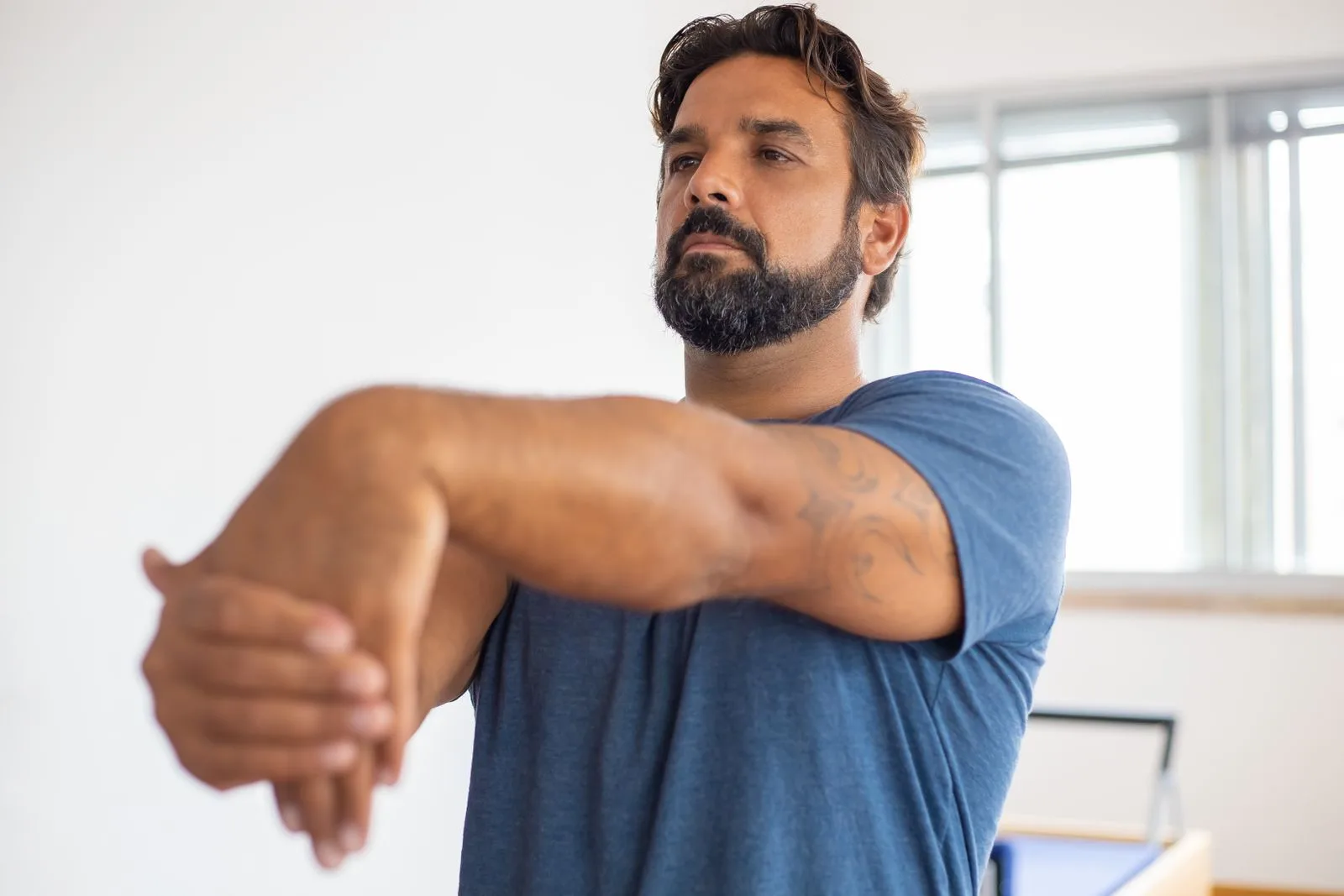
You don’t have to play tennis to get a cranky elbow. Heavy pulling days at the gym, a weekend of padel, hours of gripping tools, carrying shopping bags or a new climbing habit can all leave the outside or inside of your elbow aching. Zero drama, zero judgement: most everyday elbow niggles calm down with smarter loading, a little patience and some gentle care.
Why Elbows Get Grumpy
The muscles that grip, twist and bend your wrist attach to small points on either side of your elbow. When you ask them to do a lot more than they’re used to, especially repetitive gripping, the tendons at those points can get irritated.
- The outside of the elbow often complains after lots of gripping and wrist extension: racket sports, heavy rows, mouse-and-tool work.
- The inside of the elbow often complains after lots of wrist flexion and gripping: pull-ups, curls, climbing, throwing.
People call these tennis elbow and golfer’s elbow, but most people who get them have never swung a racket or a club.
Common Triggers
- A sudden jump in training volume, like a new pull-up programme or doubling your arm days
- Gripping weights, bars or rackets much harder than needed
- Lots of repetitive work with the same hand: DIY, gardening, carrying, gaming controllers
- Poor technique, like letting the wrists bend back during pressing or curling
- Not enough rest between hard sessions
Calm It Down
- Reduce, don’t stop. Complete rest isn’t usually needed. Cut back on the movements that clearly make it worse and keep doing the ones that don’t.
- Ease your grip. Hold weights and rackets firmly but not in a death grip. Lifting straps can take load off your forearms on heavy pulling days.
- Change your grip. A neutral grip (palms facing each other) on rows, curls and pull-ups is often kinder to grumpy elbows.
- Keep wrists straight when pressing and curling. A wrist bent backwards loads the tendons more.
- Spread out the work. Swap hands for carrying, take short breaks during repetitive jobs and alternate tasks.
Gentle Strength Is Your Friend
Tendons love the right kind of load. Once the sharpest pain settles, slow, controlled exercises often help them adapt and become more resilient. Simple options include light wrist curls and reverse wrist curls, slowly lowering a light dumbbell, squeezing a soft ball, and holding a light weight still for 30 seconds. Mild discomfort that settles quickly is usually fine. Sharp pain or pain that lingers the next day means ease off. A physiotherapist can show you which exercises suit your elbow best.
Warm Up Your Forearms
Before gym sessions, racket sports or long DIY days, spend a couple of minutes on wrist circles, gentle forearm stretches and a few light sets. Warm tissues cope better with load than cold ones.
When to Get It Checked
Most elbow niggles improve within weeks with sensible changes. See a doctor or physiotherapist if the pain followed a fall or a sudden injury, if there’s significant swelling, if you have numbness or tingling in your fingers, if the elbow feels unstable, or if it isn’t getting better after a few weeks of looking after it.
Your elbows do quiet, hard work every single day. Give them a little patience and some smart strength, and they’ll keep you lifting, swinging and hugging for years to come. Unbothered, peaceful elbows: that’s the goal.
Comments
Also give your opinion.

 The Captain Look






Leave a comment