

















21 Kilometres of Fabulous: How to Train for Your First Half Marathon, Babe
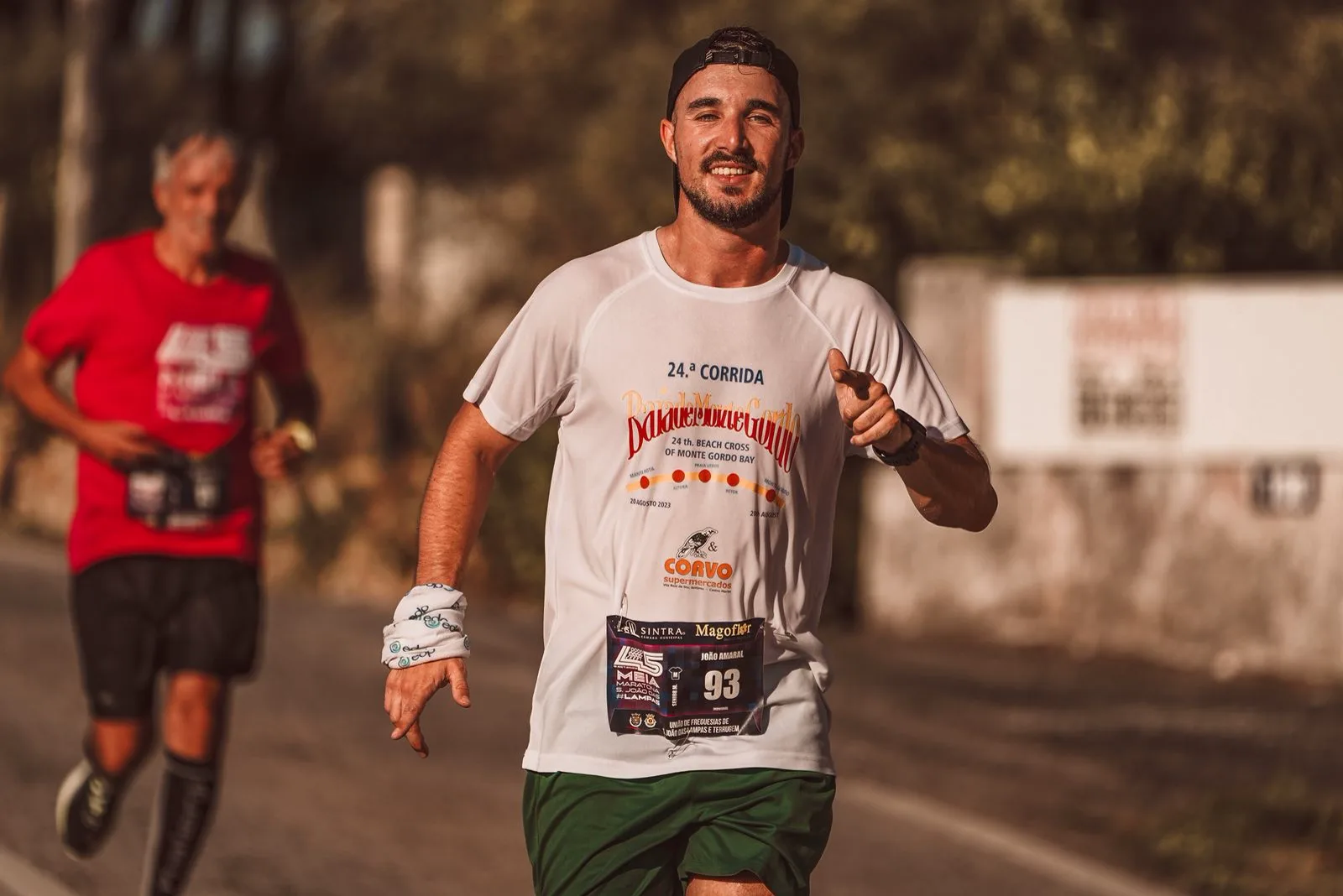
Brad here, sunshine! The half marathon is a gorgeous goal: 21.1 kilometres, long enough to feel epic, short enough to train for without your whole life revolving around running. Crossing that finish line with a medal around your neck is pure pop-diva-encore energy. If you can comfortably run 5K, you can get there. Let’s build your plan.
Are You Ready to Start?
Before beginning a half marathon plan, aim to be able to:
- Run around 5 kilometres or 30 minutes without stopping, at an easy pace.
- Run two or three times a week for a month or more without pain.
If you’re not there yet, build up with a beginner plan first. Run-walk intervals are perfectly valid and many people finish halves that way.
How Long Should You Train?
Most beginner plans last 10 to 14 weeks. That gives your muscles, joints and tendons time to adapt. Pick a race date and count backwards.
The Building Blocks of a Week
A typical beginner week includes three or four runs:
1. The long run. The heart of your plan, usually at the weekend. Start around 6 to 8 km and build gradually to around 16 to 18 km a couple of weeks before race day. Run it slowly, at a pace where you could chat.
2. Easy runs. Short, relaxed runs of 30 to 45 minutes. These build your aerobic base.
3. One quality session. A tempo run (a comfortably hard, steady effort for 15 to 25 minutes) or intervals, like 6 x 3 minutes faster with easy jogs between.
4. Strength and mobility. Two short sessions a week: squats, lunges, calf raises, glute bridges and core work. Strong legs are happy legs.
Plus at least one or two rest days. Rest is training too, babe.
Build Gradually
- Increase total weekly distance slowly, roughly by around 10 percent or less a week.
- Every third or fourth week, ease off with a lighter week to absorb the training.
- Taper for the final 10 to 14 days: reduce your running so you arrive at the start line fresh.
Fuel and Hydration
- Practise eating during long runs. For runs over about an hour, many runners use gels, chews or snacks like dates. Test what works for your stomach in training, never for the first time on race day.
- Hydrate before, during and after long runs, especially on sunny days. Run early in the morning to beat the heat.
- Recovery meals with carbs and protein help your body repair.
Gear That Matters
- Running shoes fitted at a specialist shop if you can. Replace them every 500 to 800 km.
- Technical clothing that wicks sweat and doesn’t chafe. Anti-chafe balm is a lifesaver.
- Sunglasses, a cap and sunscreen for sunny training.
Race Day Tips
- Nothing new on race day: same shoes, breakfast and kit you’ve trained in.
- Start slower than you think. The first kilometres feel easy because of adrenaline.
- Break it into chunks. Four 5K runs plus a little extra sounds friendlier than 21 km.
- Smile at the crowd. Their cheers really do give you energy.
- Enjoy the finish. Throw your arms up for that finish line photo.
Listen to Your Body
Some soreness is normal. Sharp pain, swelling or pain that changes how you run is not. Rest, and see a physio or doctor if it doesn’t settle. If you have any health concerns, check with your doctor before starting.
Lace up, babe. Your medal is waiting. Gotta order more protein!
Comments
Also give your opinion.

 The Captain Look



Leave a comment