

















Hum Your Way to Calm: Gentle Humming Exercises for a Softer Day
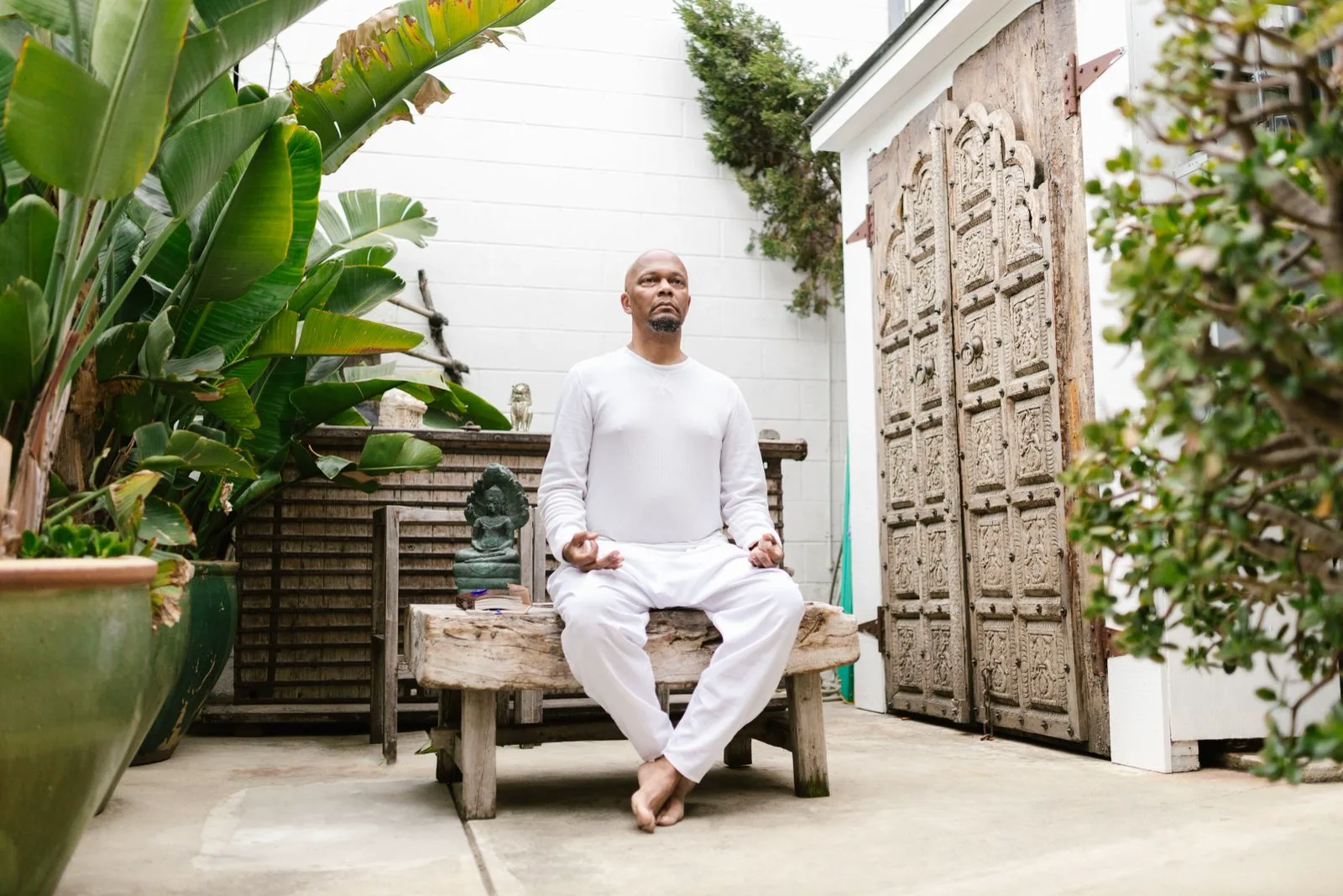
Kai here. Zero drama, zero judgment, and today, a little music. Humming is something we often do without noticing: in the shower, while cooking, while lying in the sun. It turns out this simple, playful sound can also be a lovely way to slow down. You don’t need a good voice, special equipment or a quiet temple. Just your breath and a gentle “mmm”. Let’s explore.
Why Humming Feels So Soothing
When you hum, a few gentle things happen at once:
- You slow your exhale. Humming naturally lengthens your out-breath, and slow, long exhales are a well-known way to help the body settle.
- You feel vibration. The soft buzz in your chest, face and head gives your attention something pleasant and physical to focus on, which can quiet busy thoughts.
- You breathe through your nose. Humming keeps the mouth closed, encouraging calm nasal breathing.
Some research also suggests humming increases nitric oxide in the nasal passages. Scientists are still exploring what that means, so let’s simply enjoy humming for what it clearly is: an easy, kind way to pause.
Exercise 1: The Simple Hum
- Sit or lie comfortably. Relax your shoulders and jaw.
- Breathe in gently through your nose for about four counts.
- With lips softly closed, breathe out on a long, comfortable “mmmm” for six to eight counts.
- Notice the vibration in your lips, cheeks and chest.
- Repeat for five to ten breaths.
Keep the volume soft. Think of it as a purr, not a performance.
Exercise 2: Bee Breath
This classic yoga breathing practice, often called bhramari, sounds like a gentle bee.
- Sit tall and close your eyes.
- Optionally, place your index fingers lightly on the small flaps of cartilage at the front of your ears, gently closing them.
- Inhale through your nose.
- Exhale with a steady, high-ish humming sound, like a bee.
- Repeat five to seven rounds, then sit quietly for a moment.
Never press hard on your ears. Just a light touch, or skip it entirely.
Exercise 3: Hum a Favourite Tune
If formal breathing feels too serious, hum a song you love, slowly. A soft ballad works better than a fast dance track. Let the tune set a relaxed pace for your breath. This is lovely while walking along the beach or making your morning tea.
When to Use Humming
- Before a stressful conversation, a date or a presentation.
- In the car or on the bus when traffic tests your patience.
- At bedtime to help your body unwind.
- After screen-heavy days as a reset.
- During a walk in nature, matching your hum to your steps.
Little Tips
- Find your easy note. A low, comfortable pitch usually feels most relaxing.
- Play with sounds. Try “mmm”, “nnn” or “ommm” and notice which feels nicest.
- Pair it with posture. A relaxed jaw and soft shoulders make humming easier.
- Laugh if you feel silly. Laughter is also good medicine.
A Gentle Note
Humming is a relaxation tool, not a treatment for anxiety or medical conditions. If you feel dizzy, stop and breathe normally. If stress or low mood are affecting your daily life, please speak with your doctor or a counsellor.
Mmm. Feel that? That’s your body saying thank you. Unbothered. Peace.
Comments
Also give your opinion.

 The Captain Look






Leave a comment