

















No More Dry Chicken: The Bear’s Guide to Juicy Chicken Breast, Cub
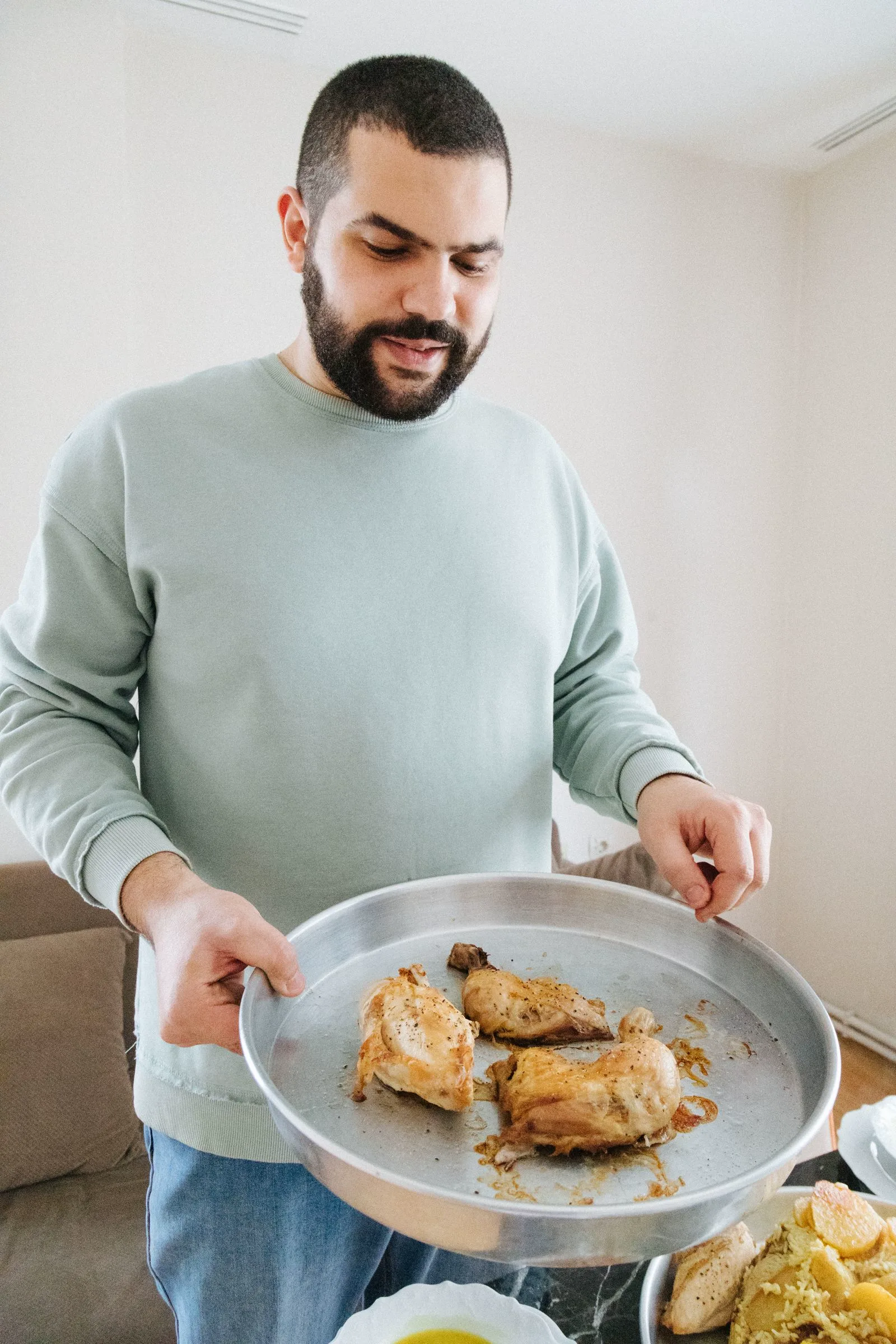
Chicken breast is lean, high in protein and endlessly useful, cub, but too often it ends up dry, stringy and sad. Teddy here with a warm hug and good news: juicy chicken is all about a few simple tricks, not fancy skills. Follow these and you will never need to drown your dinner in sauce again.
Why Chicken Breast Dries Out A breast has very little fat, and it is thick at one end and thin at the other. By the time the fat end is cooked, the thin end is overdone. On top of that, most of us cook it “a bit longer to be safe”, and that extra time is exactly what squeezes the juice out. Fix the shape, fix the timing, and you are halfway there.
Step 1: Even It Out You have two lovely options.
- Pound it: put the breast between two sheets of baking paper and tap the thick end with a rolling pin or the bottom of a pan until it is an even thickness all over.
- Butterfly it: lay it flat, hold it gently with your palm and slice through the thick side horizontally, stopping before you cut all the way, then open it like a book. Thinner, even pieces cook quickly and evenly.
Step 2: A Quick Brine This is the secret weapon, cub. Dissolve about one tablespoon of salt in roughly a litre of cool water, add your chicken and leave it in the fridge for 30 minutes to an hour. The salt helps the meat hold onto moisture while it cooks. No time? Simply salt the chicken generously and let it sit for 15 minutes before cooking. Pat it dry before it touches the pan.
Step 3: Cook With Confidence The pan-sear is our everyday favourite.
- Heat a heavy pan over medium-high heat with a little olive oil.
- Lay the chicken in and leave it alone for four to five minutes until golden. Resist the urge to poke it.
- Flip, turn the heat down to medium and cook for another few minutes.
- For thicker pieces, cover the pan with a lid for the last couple of minutes, or finish them in a medium oven.
Prefer the oven? Roast evenly sized breasts on a tray at around 200°C for about 18 to 22 minutes, depending on thickness.
Step 4: Know When It Is Done A cheap meat thermometer changes everything. Chicken is safe when the thickest part reaches 74°C (165°F). Many cooks take it off a few degrees earlier and let the heat carry it the rest of the way while it rests. No thermometer? Cut into the thickest part: the juices should run clear and the meat should be white all the way through, with no pink.
Step 5: Let It Rest Put the cooked chicken on a board and give it five minutes before slicing. The juices settle back into the meat instead of flooding your chopping board. Slice across the grain for the most tender bites.
Flavour Ideas – Lemon and herb: lemon zest, garlic, oregano and black pepper. – Smoky: smoked paprika, cumin and a pinch of brown sugar. – Yoghurt marinade: plain yoghurt, garlic, ginger and a little curry powder for super tender meat. – Mediterranean: olive oil, rosemary and chopped sun-dried tomatoes.
Leftovers, Bear-Approved Slice cooked chicken into salads, wraps, rice bowls or soups during the week. It keeps for up to three days in a sealed container in the fridge.
Juicy, golden and full of good protein, cub. Cook it with love and a little patience, and your chicken will never be boring again.
Comments
Also give your opinion.

 The Captain Look





Leave a comment