

















Layers of Love: The Bear’s Guide to Homemade Lasagne, Cub
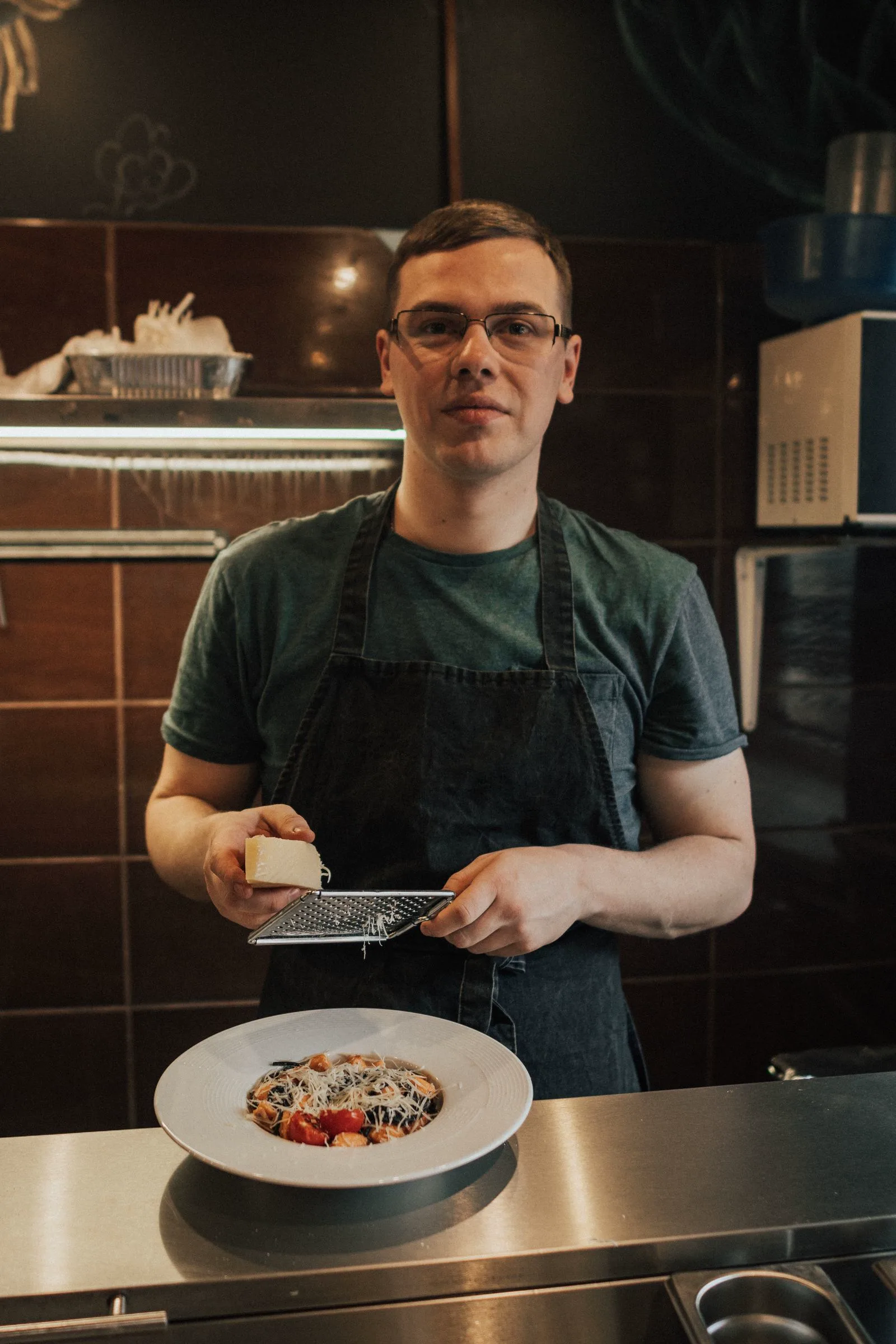
Some dishes are dinner. Lasagne is a hug in a baking tray, cub. Layers of pasta, rich sauce and bubbling cheese, sliced into generous squares and shared around a table full of people you love. Teddy here, and we are going to build a lasagne from scratch, with a few tricks for a lighter version and for feeding yourself happily all week.
The Three Building Blocks
- The red sauce: traditionally a slow-cooked meat ragù of beef or a beef and pork mix, with onion, carrot, celery, tomato and a splash of milk or wine. A lentil and mushroom ragù works beautifully for a plant-based tray.
- The white sauce: classic béchamel, made from butter, flour and milk, or a lighter ricotta layer loosened with a little milk and seasoned with nutmeg and lemon zest.
- The pasta: dried lasagne sheets, fresh sheets, or no-boil sheets. Each needs slightly different handling, so read the packet.
Make a Ragù Worth Waiting For
Gently soften finely chopped onion, carrot and celery in olive oil until sweet. Brown the mince in batches so it colours instead of steaming. Add tomato purée, cook it for a minute, then pour in passata or chopped tomatoes and a little stock. Let it murmur on a low heat, lid ajar, for at least an hour, stirring now and then. The sauce should be thick and glossy, not watery, or your lasagne will slide apart on the plate. Make it the day before if you can; it tastes even better.
A Silky Béchamel in Ten Minutes
Melt butter, stir in the same amount of flour and cook for a minute without browning. Whisk in warm milk a little at a time until smooth, then simmer, whisking, until it coats the back of a spoon. Season with salt, pepper and a grating of nutmeg. If lumps sneak in, a quick whisk or a pass through a sieve fixes it. No shame, cub.
Layering Like a Nonna
- Spread a thin layer of ragù over the bottom of the dish so the pasta does not stick.
- Add a single layer of pasta sheets, slightly overlapping or snapped to fit.
- Spoon over ragù, then a drizzle of white sauce, then a light scatter of grated Parmesan.
- Repeat for three or four layers. Thin layers cook more evenly than a few thick ones.
- Finish with pasta, a generous coat of white sauce, Parmesan and a few torn pieces of mozzarella if you like extra bubbles.
Bake in a moderately hot oven until golden and bubbling at the edges, usually forty minutes or so. Cover with foil at the start if the top browns too fast.
The Golden Rule: Let It Rest
We know it smells incredible. Wait anyway. Fifteen to twenty minutes out of the oven lets the layers settle, so you get neat squares instead of a delicious landslide. Use the time to dress a big green salad with lemon and olive oil.
Lighter and Veg-Packed Versions
- Swap half the mince for finely chopped mushrooms or cooked green lentils.
- Use a ricotta and spinach layer instead of béchamel.
- Add a layer of roasted courgette, aubergine or peppers between the pasta.
- Choose a lean mince and spoon off any fat after browning.
- Go easy on the cheese on top: a little Parmesan gives big flavour.
Make Ahead, Freeze and Feast
- Assemble ahead: build the lasagne, cover and keep it in the fridge for up to a day, then bake, adding a few extra minutes.
- Freeze portions: once cooked and cooled, cut into squares, wrap well and freeze. Defrost in the fridge overnight and reheat until piping hot all the way through.
- Leftovers: cool them quickly, refrigerate within a couple of hours and eat within a few days.
Pull up a chair, cut a big warm square and share it with your favourite people. Warm, protective, teddy bear: that is what a good lasagne tastes like.
Comments
Also give your opinion.

 The Captain Look





Leave a comment