

















Leg Press Like a Pro: Set-Up, Technique and Foot Positions, Babe
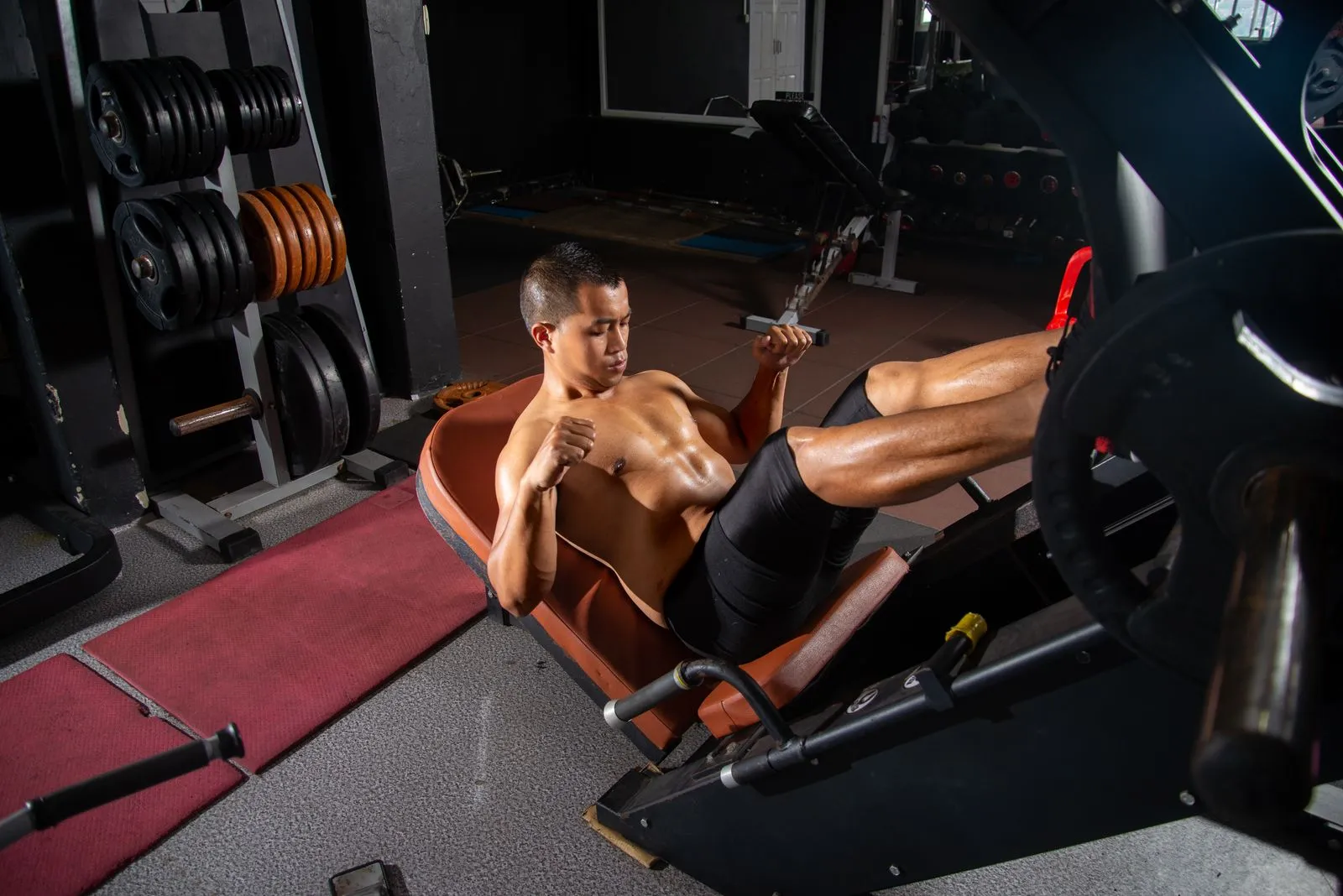
Babe, if squats make you nervous, or your back grumbles under a barbell, the leg press is your new best friend. It lets you push serious weight with your legs while the machine supports your back. It is brilliant for beginners, fantastic for building strong thighs and glutes, and a great partner to every other leg exercise. But there is a right way to do it, so let’s make sure you are pressing like a pro. Brad here, and it is leg day!
Why the Leg Press Is So Useful
- Back support: your back rests against the pad, so you can focus on your legs.
- Easy to learn: fewer balance and technique demands than a squat.
- Easy to load: add weight in small steps as you get stronger.
- Versatile: change your foot position to shift the work between your thighs and glutes.
Types of Leg Press
- 45-degree leg press (sled): you sit at an angle and push a sliding platform loaded with plates. Most common in gyms.
- Seated or horizontal leg press: you sit upright and push a footplate straight forward, usually with a weight stack and pin. Very beginner-friendly.
The set-up and technique are almost the same for both.
Setting Up Properly
- Adjust the seat so that, at the bottom of the movement, your knees are bent at about 90 degrees or a little more, without your lower back lifting off the pad.
- Sit right back, with your head and back against the pad and your hips firmly in the seat.
- Feet flat on the platform, about shoulder-width apart, toes pointing slightly out.
- Hold the handles at your sides to keep your hips planted.
- Know where the safety catches are on a sled machine and how to unlock and lock them.
How to Do a Rep
- Unlock the safety and start with your legs straight but not locked.
- Lower slowly by bending your knees, letting them track in line with your toes. Take about two to three seconds.
- Stop at the bottom when your knees are around 90 degrees or just before your lower back starts to curl up off the pad.
- Push back up through your whole foot, especially the heels, until your legs are nearly straight.
- Don’t lock your knees at the top. Keep a soft bend.
- Breathe out as you push, breathe in as you lower.
Foot Position Changes Everything
- Middle of the platform, shoulder-width: balanced work for thighs and glutes. Start here.
- Higher on the platform: more glutes and hamstrings.
- Lower on the platform: more emphasis on the front of the thighs, but more stress on the knees. Go lighter.
- Wider stance, toes out: more inner thigh and glutes.
- Single-leg press: one foot in the centre. Fantastic for evening out a stronger and weaker side. Use much less weight.
Common Mistakes
- Lowering too far: if your hips roll up and your lower back peels off the pad, you have gone too deep. Shorten the range.
- Locking out your knees: keep a soft bend at the top, always.
- Knees caving in: push your knees out in line with your toes.
- Bouncing at the bottom: control the weight down and pause briefly.
- Too much weight, too little range: tiny quarter reps with a huge stack look impressive but do not do much. Use a weight you can move through a full, comfortable range.
- Lifting your heels: keep your whole foot flat.
How Many Sets and Reps?
- Beginners: 3 sets of 10 to 12 reps with a weight that feels challenging by the last few reps.
- Building strength: 4 sets of 6 to 8 reps, heavier, with longer rests.
- Endurance burn: 2 to 3 sets of 15 to 20, lighter, with short rests.
Add a little weight once you can do all your sets with good form.
A Simple Leg Day
- Leg press: 3 x 10 to 12
- Walking lunges: 3 x 10 per leg
- Romanian deadlift or hamstring curl: 3 x 10
- Calf raises on the leg press platform: 3 x 15
If you have knee, hip or back problems, ask a physio or qualified trainer to check your set-up first.
Strong legs, happy knees, killer jeans. Gotta order more protein, babe!
Comments
Also give your opinion.

 The Captain Look
Leave a comment