

















Leap, Land, Repeat: Parkour Basics for Grown-Ups, Babe
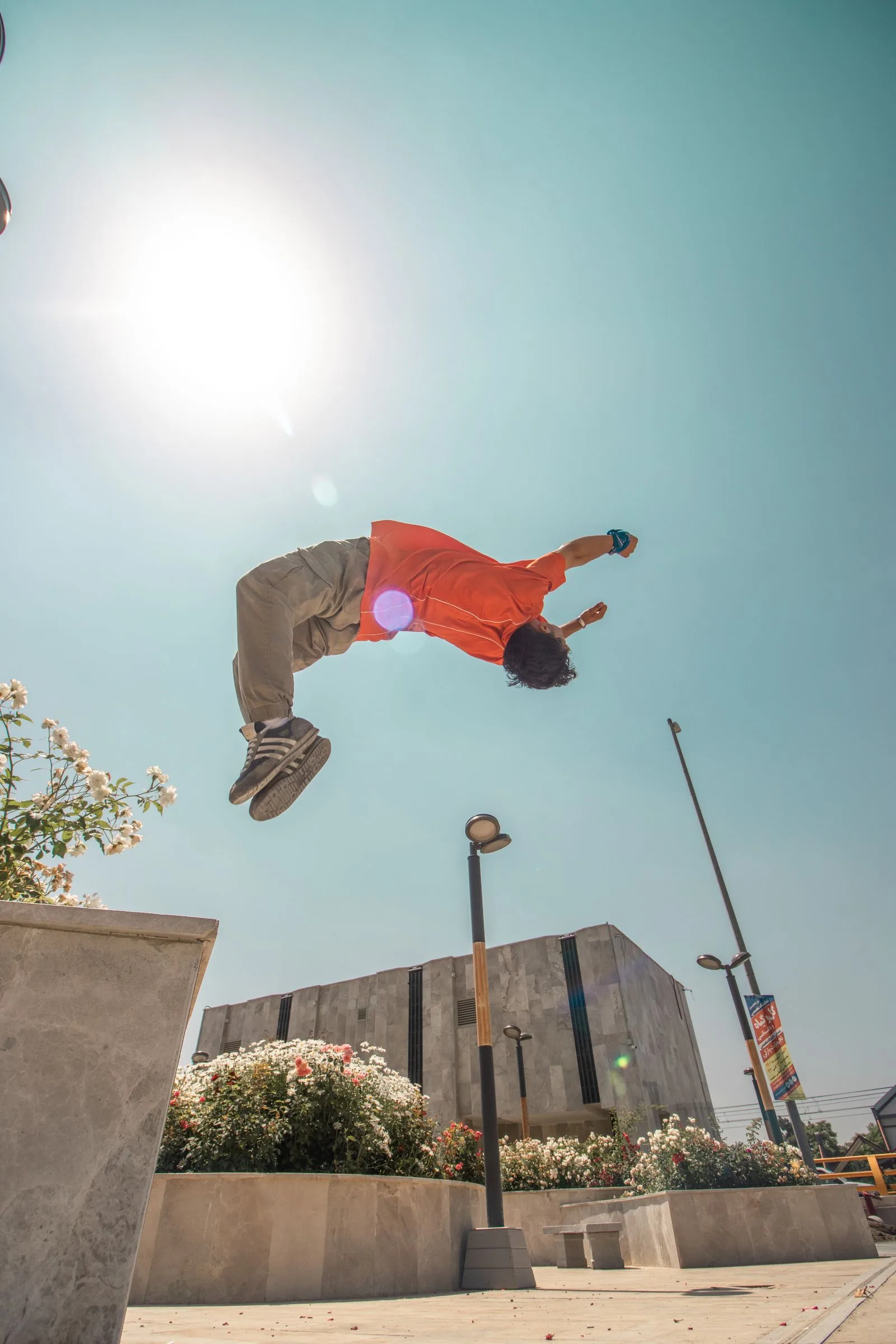
Babe, remember when you were a kid and every low wall was a balance beam and every bench was a launch pad? Parkour is that feeling, turned into a full-body workout. Brad here, and before you picture rooftop backflips, relax: parkour for grown-ups starts on the ground, with tiny jumps and lots of giggles. Let’s move!
What Is Parkour, Really?
Parkour is the art of moving through your surroundings efficiently using running, jumping, climbing, balancing and vaulting. Practitioners are called traceurs. It is not about stunts. At its heart it is about control, creativity and getting from A to B with flow.
Why We Love It as a Workout
- Full-body strength: legs for jumping, arms and back for climbing, core for everything.
- Agility and coordination: your brain and body learn to work together quickly.
- Bone and joint strength: controlled landings and jumps build sturdy legs.
- Confidence: each small new move feels like a victory.
- Free gym: parks, playgrounds, steps and low walls become your equipment.
Start Safe: The Golden Rules
- Start low. Every move begins on the ground or a curb, not on a wall.
- Master landings before jumps. Landing well is the real skill.
- Check your spot. Test that walls and rails are solid, dry and not slippery.
- Respect the space. No climbing on private property, monuments or anything fragile. Be friendly to passers-by.
- Take a class if you can. Many cities have parkour gyms or community sessions for adults and complete beginners.
Five Foundation Moves
1. The Soft Landing
Jump a few centimetres off the ground and land on the balls of your feet, bending knees and hips so your body absorbs the impact quietly. Aim for silence. Loud landings mean your joints are taking the hit.
2. Precision Jump
Draw a line on the ground or use a crack in the pavement. Jump from both feet and land exactly on the line, balls of the feet first, arms swinging forward for balance. Then try jumping from one curb to another.
3. Balance Walk
Walk slowly along a low curb or a line on the ground, arms out, eyes ahead. Then try it backwards. Then sideways. Easy to learn, hard to master.
4. Quadrupedal Movement
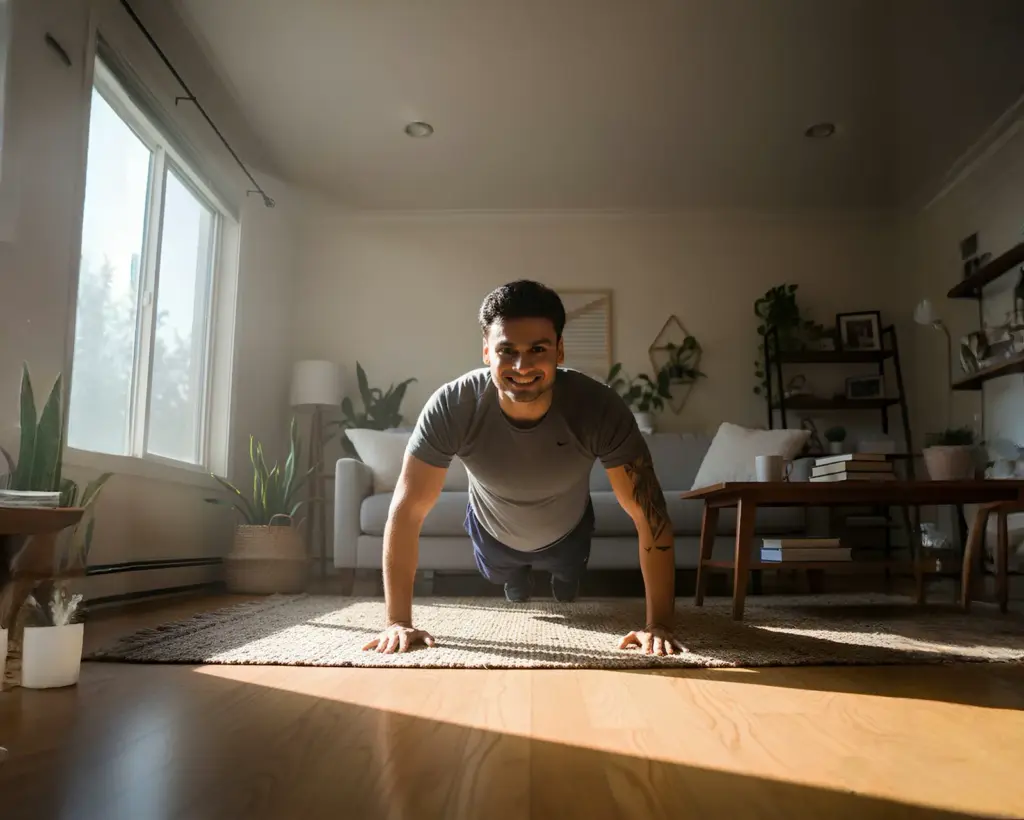
Crawl on hands and feet with your knees just off the ground, moving forwards, backwards and sideways. It builds shoulders, core and coordination. You will feel it, babe!
5. Step Vault
Find a low, sturdy obstacle around waist height or lower. Place one hand on it, step one foot onto it, and swing the other leg over and down to land on the other side. Smooth and controlled beats fast.
A Beginner Session (30 Minutes)
- Warm-up (8 minutes): easy jog, arm circles, leg swings, ten squats and ten lunges.
- Landings (5 minutes): small jumps focusing on soft, quiet landings.
- Precision jumps (5 minutes): short distances on flat ground, stepping up only when every landing is solid.
- Balance and crawling (7 minutes): curb walks and quadrupedal movement.
- Vaults (5 minutes): step vaults over a low bench or wall.
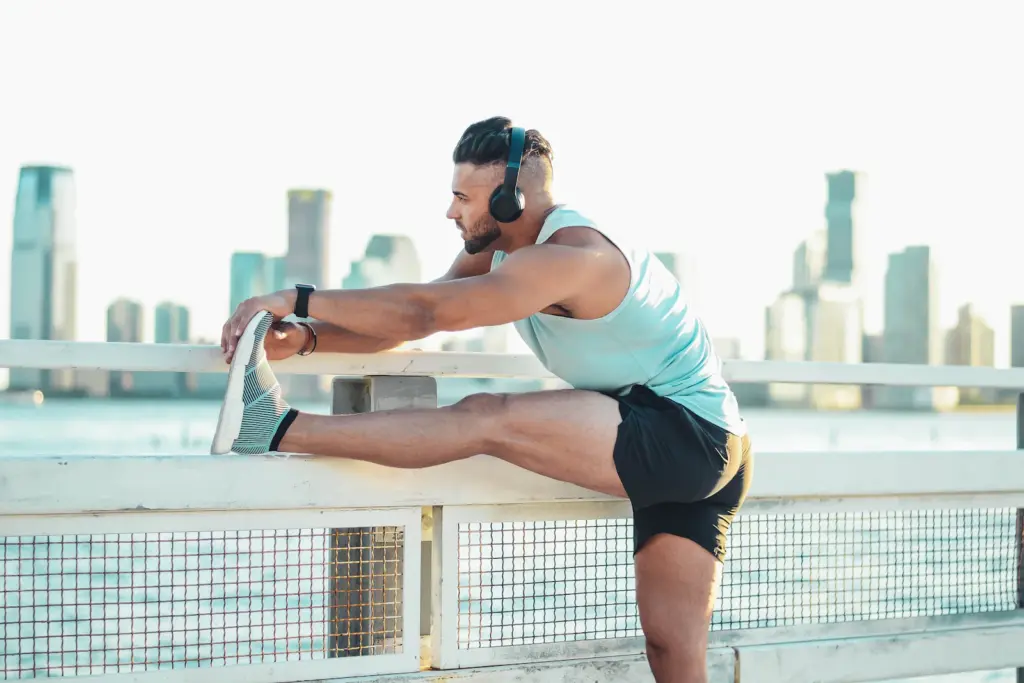
Finish with gentle stretches for calves, hips and shoulders.
Gear Up
- Shoes: flexible trainers with good grip and a thin, flat sole.
- Clothes: comfy, stretchy and not too baggy, so nothing catches.
- Hands: no gloves. You need to feel your grip.
- Water and sunscreen: for sunny outdoor sessions.
Progress Slowly
Your muscles adapt faster than your tendons and joints, so build up week by week. Repeat moves until they feel easy before you make them higher or longer. And if you have any injury or joint worries, check with a doctor or physio before you start jumping.
Find a sunny park, call a friend and play like you are ten again, just with better form. Gotta order more protein!
Comments
Also give your opinion.

 The Captain Look
Leave a comment