

















Blister-Free Days: How to Keep Your Feet Happy on Long Walks
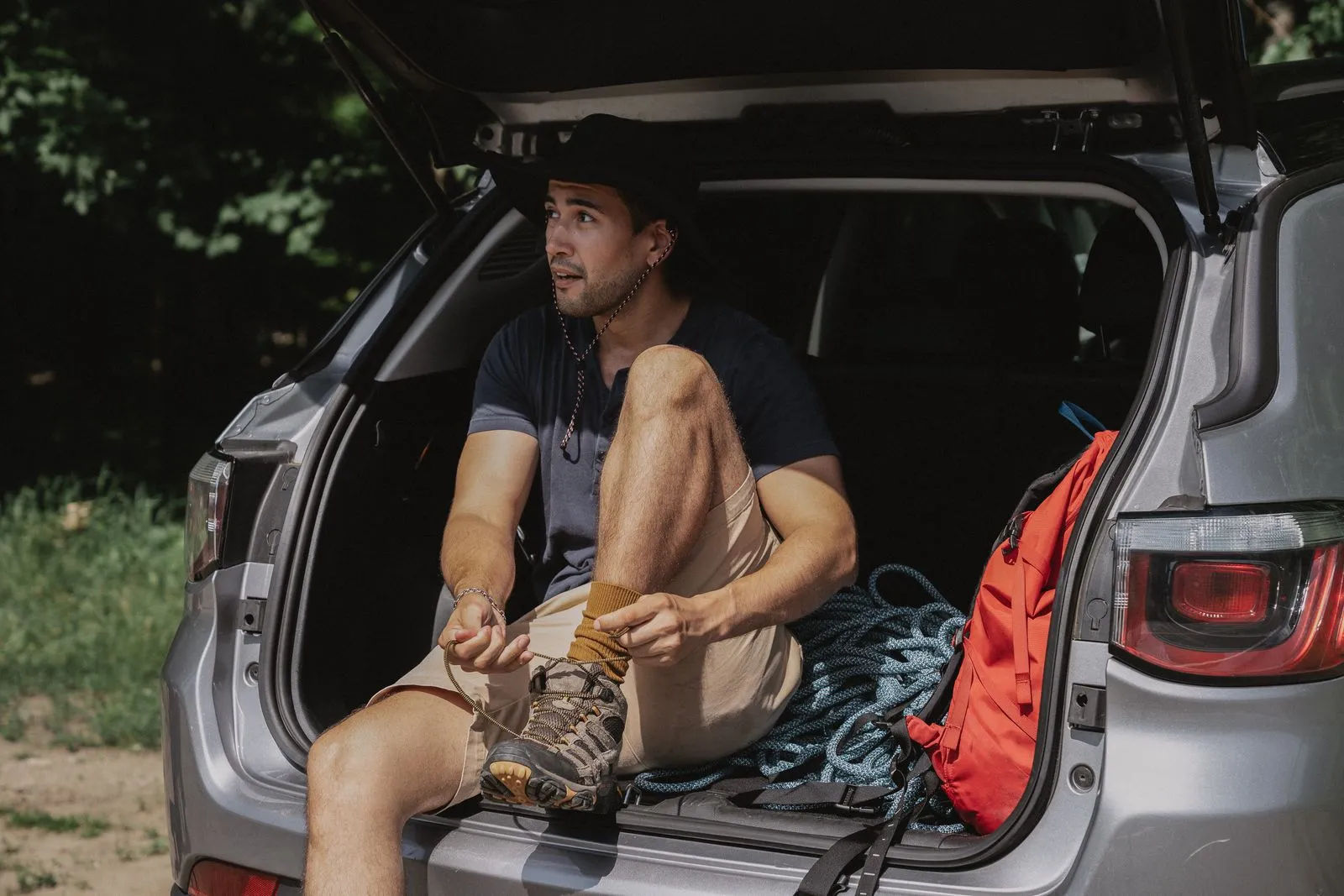
Zero drama, zero judgment, and ideally zero blisters. There’s nothing like a gorgeous day of exploring a new town or a coastal path, only for one tiny bubble on your heel to turn every step into a negotiation. The good news: blisters are mostly preventable, and the small ones are easy to look after. Let’s keep your feet calm and carefree.
Why Blisters Happen
A blister is your skin’s way of protecting itself. When something rubs the same spot again and again, the top layer of skin separates and fills with fluid as a cushion. The usual suspects:
- Friction from shoes that slide or press in one place.
- Moisture from sweaty feet or wet socks, which softens skin and makes it rub more easily.
- Heat on long, warm walking days.
- New shoes that haven’t moulded to your feet yet.
Fix those four and you’ve solved most of the problem.
Choose Shoes That Fit Your Real Feet
- Shop later in the day, when feet are slightly bigger after hours of walking.
- Leave a thumb’s width of space beyond your longest toe, so toes don’t hit the front on downhills.
- Your heel should stay put. If it lifts and slides with every step, that’s a blister factory.
- Try them with the socks you’ll actually wear.
- Break new shoes in gradually: short walks around the neighbourhood first, never a big day out of the box.
Socks Matter More Than You Think
Cotton socks hold on to sweat, and damp socks love to rub. For long walks, choose moisture-wicking socks made from merino wool or synthetic blends. Make sure they fit without wrinkles or a baggy heel. On long days, pack a spare pair and swap halfway. Fresh, dry socks feel like a small luxury, honey.
Lace Like You Mean It
How you tie your shoes changes how your foot moves inside them. Laces should be snug enough that your heel doesn’t slip, without squeezing the top of your foot. Many walking shoes have an extra eyelet at the top that you can use for a “heel lock” lacing to hold the heel more firmly. It’s worth a quick look at a how-to.
Protect the Hot Spots Early
Your feet usually whisper before they shout. A “hot spot” is that warm, tender, rubbing feeling that comes before a blister. The moment you notice one:
- Stop and take a look. Yes, even if your friends are walking ahead.
- Cover it with a blister plaster, sports tape or a soft dressing. A smooth layer between skin and shoe takes the friction away.
- Check for grit, a twisted sock or a seam pressing in.
Some people also use anti-chafe balm or a light dusting of foot powder on blister-prone spots before setting off.
If a Blister Appears
- Leave small blisters intact if you can. The skin on top is a natural, clean protective layer.
- Cover it with a cushioned blister plaster, which protects it and eases the pressure.
- If it bursts, wash gently with soap and water, leave the loose skin in place if possible, and cover with a clean dressing.
- Give it time and air in the evening, in open shoes or bare feet at home.
Keep an eye out for signs of infection, such as growing redness, warmth, swelling or pus, and talk to a pharmacist or doctor if anything looks off. If you live with diabetes or have reduced feeling in your feet, check your feet daily and ask a health professional before treating blisters yourself.
Pack a Tiny Foot Kit
For walking days and holidays, keep these in your bag:
- Blister plasters in a couple of sizes
- A small roll of sports tape
- A spare pair of socks
- Anti-chafe balm
It takes up almost no space and can save a whole day of exploring.
Kai’s Calm Closing
Your feet carry you through every adventure, so treat them like the VIPs they are. Good shoes, smart socks and a quick stop at the first hot spot will keep you strolling happily from breakfast to sunset. Unbothered, peaceful and blister-free.
Comments
Also give your opinion.

 The Captain Look






Leave a comment