

















A Little More Every Week: Progressive Overload Made Simple, Babe
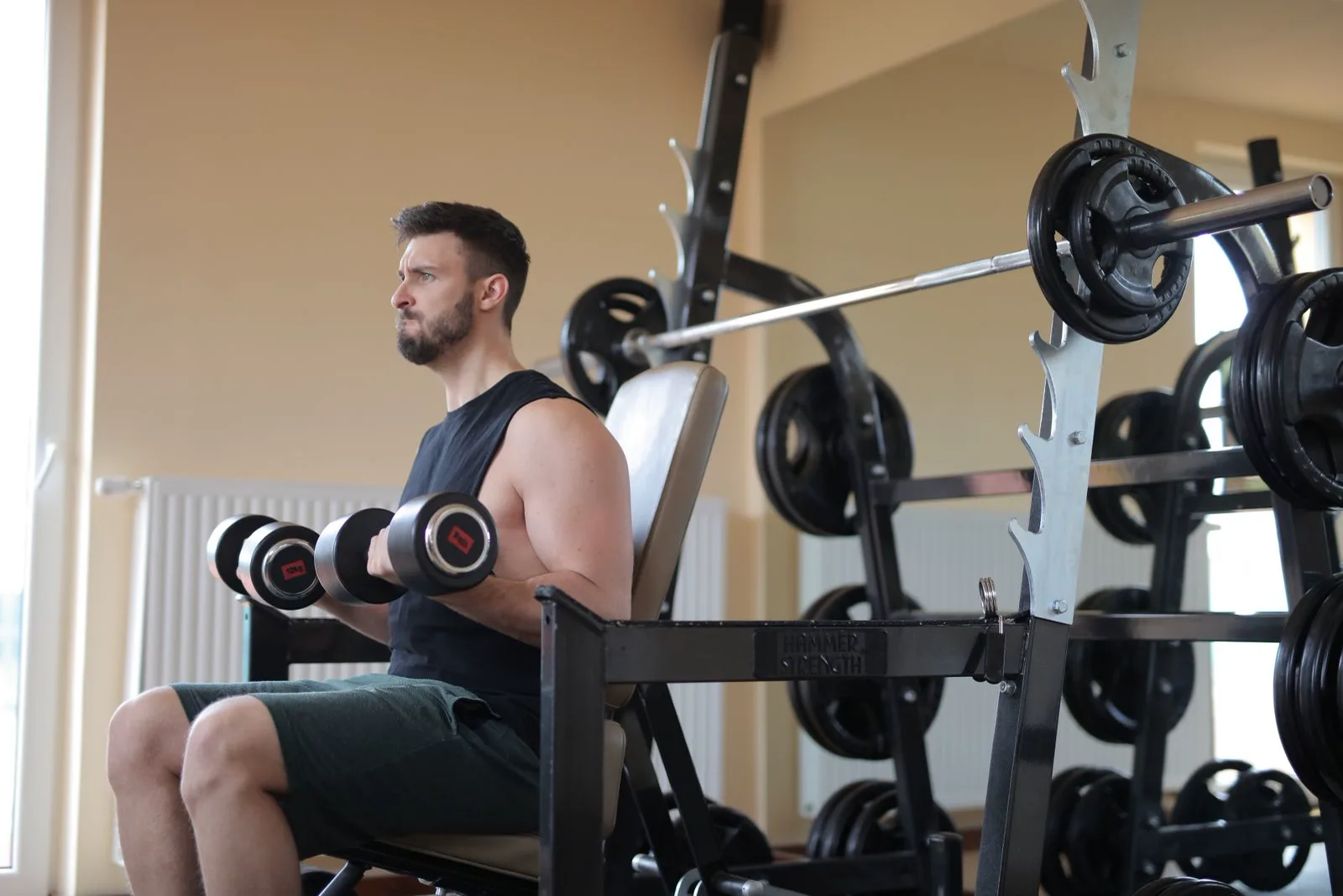
Hey, gorgeous, Brad here! Ever notice how the same workout that once left you shaking now feels like a warm-up? That is your body saying, “Thanks, I’ve adapted, what’s next?” The answer is progressive overload: the simple idea behind every strong, sculpted body you have ever admired. No secret supplements, no wild routines. Just a little more, a little better, over time.
What Progressive Overload Means Your muscles grow stronger when they are asked to do slightly more than they are used to, then given time to recover. If you always lift the same weight for the same reps, your body has no reason to change. Progressive overload means gently, steadily raising the challenge so your body keeps adapting.
The key word is gently. We are adding sprinkles, not dumping the whole bag on.
Five Ways to Make It Harder You do not have to add weight every session. There are lots of ways to progress:
- More reps. Squatted 8 reps last time? Aim for 9 or 10 with the same weight.
- More weight. Once you can hit the top of your rep range with good form, add the smallest jump available.
- More sets. Go from 2 sets of an exercise to 3.
- Better control. Slow the lowering part of each rep, pause at the bottom, and keep your form cleaner.
- Less rest. Shorten the break between sets a little, for more work in the same time.
Change one thing at a time. If you add weight, reps and sets all at once, you are on the express train to a sore, grumpy week.
The Double Progression Method Here is the easiest plan in the gym, babe:
- Pick a rep range, say 8 to 12 reps.
- Choose a weight you can lift for 8 good reps.
- Each session, try to add a rep or two.
- When you can do 12 reps on every set with great form, add a little weight and drop back to 8.
- Repeat forever. Hello, progress.
It works for squats, presses, rows, curls, almost anything.
Bodyweight Fans, This Is for You Too No weights? No problem. Progress push-ups from wall to bench to floor to feet raised. Go from assisted squats to full squats to split squats. Add a slow tempo, a pause or an extra round of your circuit. Your body cannot tell the difference between a dumbbell and a clever variation; it only knows “this is harder than last time”.
Write It Down You cannot progress what you do not remember. Keep a simple log in a notebook or an app:
- Exercise
- Weight
- Sets and reps
- A quick note: “felt easy”, “form slipped on last rep”
Look at last session’s numbers before you start, and aim to beat one of them, just a little.
When You Hit a Plateau Every lifter gets stuck sometimes. Before you panic, check the basics:
- Sleep: are you getting enough?
- Food: are you eating enough protein and overall energy to build muscle?
- Recovery: are you training the same muscles hard every single day?
- Form: sometimes a lighter weight with better technique unlocks new strength.
You can also swap the exercise for a similar one for a few weeks, or take an easier week to let your body catch up.
Respect the Signals Progress is not about pain. Muscle effort and mild soreness are normal; sharp pain, joint pain or anything that feels wrong is a stop sign. If you are new to training or have an injury, a qualified coach or physiotherapist can help you plan safely.
Small steps, stacked week after week, build something amazing. Now go get your sunshine and your gains. Gotta order more protein!
Comments
Also give your opinion.

 The Captain Look






Leave a comment