

















Hope Looks Good on You: How to Practise Realistic Optimism
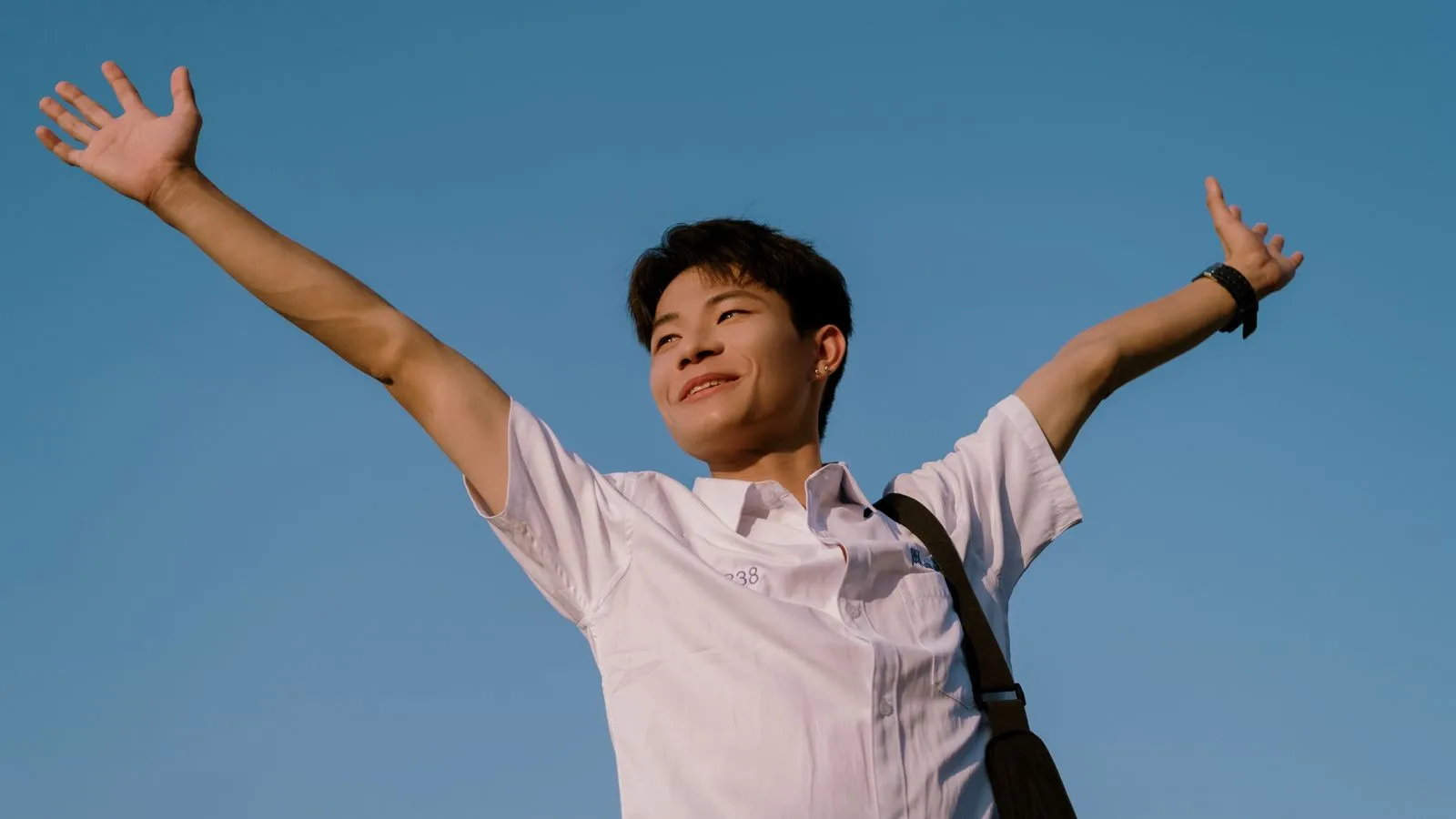
Unlimited form, unlimited possibilities. That’s not just a catchphrase, darling, it’s an invitation to look at life with a little more hope. Optimism isn’t about pretending everything is perfect or plastering a smile over real problems. It’s the quiet belief that good things can happen and that we have some power to help them along. And the lovely news is that it can be practised, like any other skill.
What Optimism Is (and Isn’t)
It isn’t toxic positivity, the pressure to “just be happy” and ignore difficult feelings. Sadness, frustration and worry are all part of being human, and they deserve space.
It is a way of explaining the world to yourself. Optimistic thinkers tend to see setbacks as temporary, specific and changeable (“this week was tough”) rather than permanent and all-encompassing (“everything always goes wrong for me”). They acknowledge problems while keeping one eye on what’s possible.
Think of it as realistic hope: feet on the ground, eyes on the horizon.
Why It’s Worth Practising
People with a more hopeful outlook often find it easier to try new things, bounce back from disappointment and keep going when goals take time. Hope also makes us more pleasant company, and it’s contagious in the best way. For many of us in the LGBTQ+ family, hope has been a survival skill: believing in a kinder future is how we built one.
Catch the Story You’re Telling
Next time something goes wrong, notice your inner narration. Is it saying “always”, “never”, “everything” or “nobody”? Those words are a sign your mind is painting with a very broad, very grey brush. Try gently rewriting the story:
- “I always mess things up” becomes “I made a mistake on this, and I can learn from it.”
- “Nothing ever works out for me” becomes “This didn’t work out. Some things have, and others still could.”
- “Nobody likes me” becomes “That conversation felt awkward. My real friends still care.”
It’s not about lying to yourself. It’s about choosing the most accurate and kind version of the truth.
Small Daily Practices
- Imagine your best possible future. Spend ten minutes writing about life a few years from now, where things have gone wonderfully. Be specific and enjoy it. This exercise gently trains the mind to see possibilities.
- Notice three good things each evening, however small: a delicious coffee, a kind message, a beautiful sky.
- Plan something to look forward to. A dinner with friends, a beach day, a film. Anticipation is one of hope’s sweetest flavours.
- Ask “what could go right?” whenever your mind lists everything that could go wrong.
- Spend time with hopeful people. Moods spread, so choose company that lifts you.
Hope With a Plan
The most useful optimism comes with action. When you want something, try this simple sequence:
- Name the wish: what would you love to happen?
- Picture the outcome: how would it feel?
- Spot the obstacle: what inside you or around you might get in the way?
- Make a plan: “If that obstacle shows up, then I will…”
Hope gives you the energy; the plan gives it a direction.
When Hope Feels Far Away
Some seasons of life are heavy, and that’s okay. You don’t have to feel optimistic all the time. On hard days, aim smaller: one good meal, one walk, one message to a friend. If low mood lingers for weeks, or hopelessness starts to feel overwhelming, please reach out to a doctor, therapist or someone you trust. Asking for help is itself an act of hope.
Akira’s Parting Thought
Optimism isn’t a personality you’re born with or without. It’s a gentle daily choice to look for light and to believe that tomorrow holds possibilities. Rewrite your stories kindly, plan something lovely and let hope walk beside you. Unlimited form, unlimited possibilities, darling, starting today.
Comments
Also give your opinion.

 The Captain Look






Leave a comment