

















Read the Label Like a Pro: Skincare Ingredients Decoded, Darling
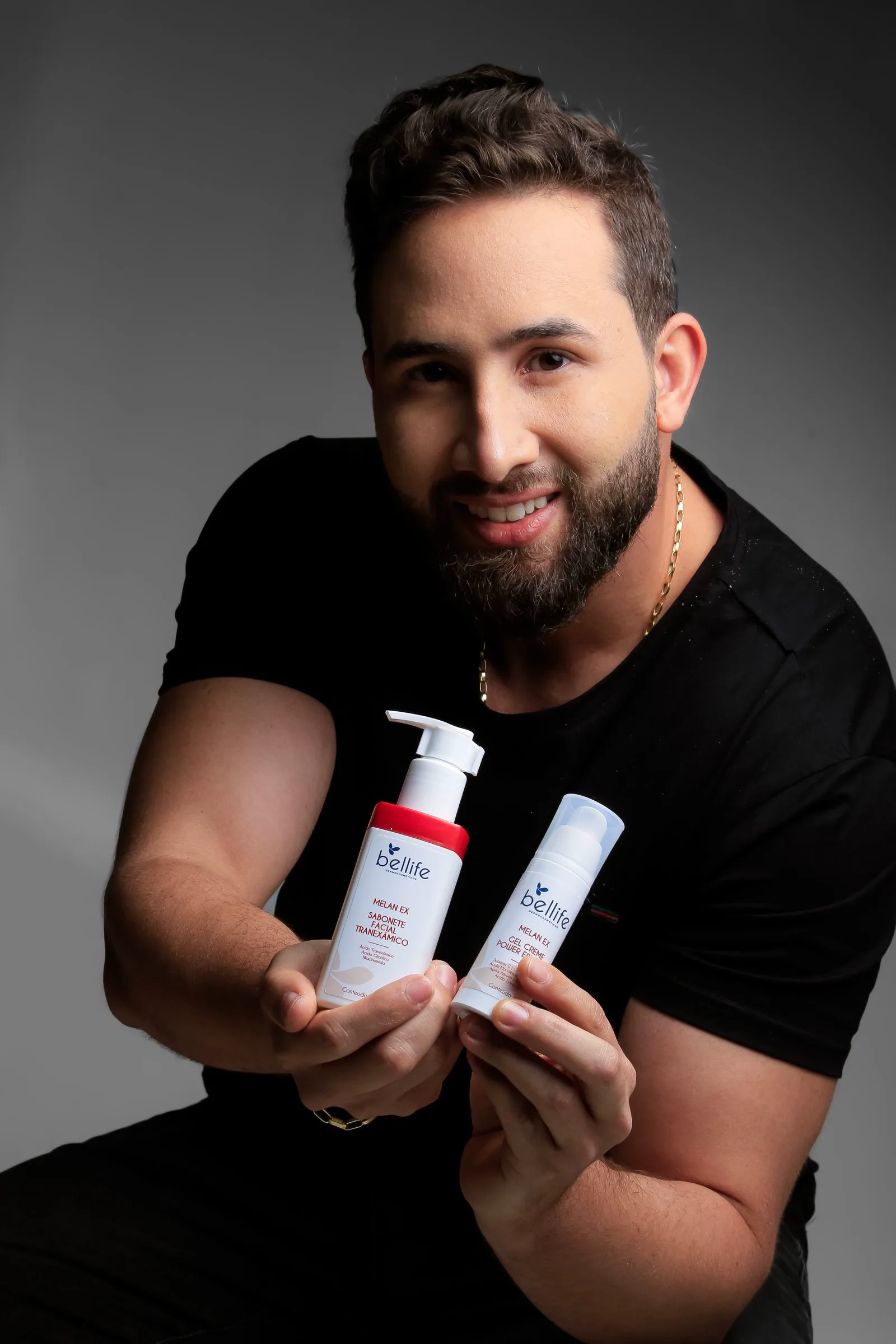
Darling, the front of a skincare bottle is a love letter written by the marketing team. The back is the truth. Once you learn to read that tiny ingredients list, you stop paying for pretty promises and start choosing products that actually suit your skin. Victor here, magnifying glass in hand, and today we are decoding labels in five easy moves. Werk!
Move 1: Know the Order Ingredients are listed from the highest amount to the lowest, down to around 1%. Below that, brands can list them in any order. So the first five ingredients make up most of the product. If the star ingredient on the front is hiding at the very end, after the fragrance and preservatives, there is probably only a whisper of it.
Move 2: Learn the Names Labels use scientific names, which look scary but are mostly friendly.
- Aqua: water, the base of most creams and gels.
- Glycerin: a classic moisture magnet that keeps skin soft.
- Sodium hyaluronate / hyaluronic acid: holds water in the skin for a plump look.
- Niacinamide: a form of vitamin B3, loved for calming redness and helping oily skin.
- Ascorbic acid: vitamin C, the brightening one.
- Retinol or retinal: vitamin A relatives for smoother texture, best at night and slowly.
- Salicylic acid: the oil-loving exfoliant for blackheads and spots.
- Glycolic and lactic acid: surface exfoliants for smoother, brighter skin.
- Ceramides: support your skin barrier, great for dry or stressed skin.
- Tocopherol: vitamin E, a soothing antioxidant.
Move 3: Spot the Possible Troublemakers None of these are automatically bad, darling, but they can bother sensitive skin.
- Parfum or fragrance: smells lovely, but it is one of the most common causes of irritation. Sensitive skin often prefers fragrance-free.
- Alcohol denat. or SD alcohol high on the list can feel drying, especially in toners and aftershaves. Fatty alcohols like cetyl or cetearyl alcohol are different: they are gentle and softening.
- Essential oils such as lavender, citrus or peppermint can tingle on sensitive faces.
- Too many strong actives together: acids plus retinol plus vitamin C in one routine can overwhelm the skin.
Move 4: Decode the Marketing Words – “Dermatologist tested” means it was tested, not that it passed with flying colours. – “Natural” and “clean” have no strict meaning. Natural ingredients can irritate too. – “Non-comedogenic” suggests it is less likely to block pores, helpful for oily or spot-prone skin. – “Hypoallergenic” means fewer common irritants, not zero. – “For men” usually means blue packaging. Your skin does not read the box, darling.
Move 5: Check the Little Symbols The open jar symbol with a number, like 6M or 12M, tells you how many months the product stays fresh after opening. Sun creams list their SPF and often a UVA logo, which means protection from both types of sun rays.
Your Label-Reading Routine 1. Flip the bottle before you buy. 2. Find the ingredient you are paying for in the first half of the list. 3. Scan for fragrance or drying alcohol if your skin is sensitive. 4. Patch test anything new on a small area for a couple of days.
Knowledge is the best accessory, darling. Read the back, ignore the hype and let your skin glow on facts.
Comments
Also give your opinion.

 The Captain Look





Leave a comment