

















The Cut-Throat Shave: A Beginner’s Guide to the Straight Razor, Darling

Darling, there is shaving, and then there is the straight razor. One gleaming blade, a hot lather and a slow, steady hand: it feels like a scene from an old film, and the finish is the closest, smoothest skin you will ever touch. It looks scary. It is not, once you know the rules. Let us walk you through it, gently.
Traditional Blade or Shavette?
There are two kinds of straight razor, and the choice matters for a beginner.
- The traditional straight razor has a fixed steel blade that you keep sharp yourself, with a leather strop and, now and then, a professional honing. It lasts for decades and is pure ritual.
- The shavette looks the same but takes disposable half-blades. No stropping, no honing, a fresh edge every few shaves. It is a little less forgiving, because a new blade is very sharp, but it is the easy way to find out whether you love the craft.
Our advice: start with a shavette or a “shave-ready” traditional razor that has been honed by a pro. Never learn on a dull blade. Dull is what drags, pulls and nicks.
Prep Is Half the Shave
A straight razor rewards patience. Before the blade comes near you:
- Shave after a warm shower, when the hair is soft.
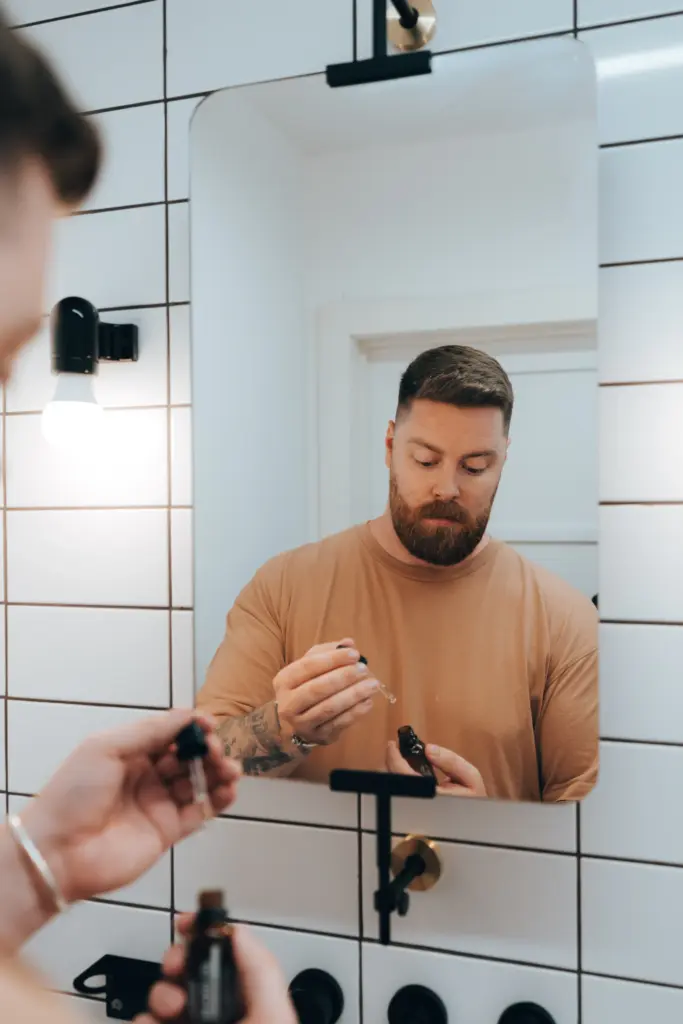
- Massage in a few drops of pre-shave oil if your skin is dry.
- Whip a proper lather with a brush and a shaving soap or cream. You want it thick and creamy, like whipped yoghurt, not airy foam from a can.
- Lather in circles, then smooth it in the direction of growth.
Holding the Razor
This is where most beginners worry, so take it slowly. Open the blade so the handle (the scales) points back towards you. Rest three fingers on the back of the shank, your thumb underneath, and let the little finger sit on the tang at the end. It feels odd for a week, then it feels like home.
The magic number is the angle: about 30 degrees, roughly the width of the spine of the blade between the steel and your skin. Too flat and it glides over the hair. Too steep and it bites.
Your First Passes
- Stretch the skin. With your free hand, pull the skin taut above the area you are shaving. Tight skin is your best friend.
- Start on the cheeks. They are flat and easy. Save the chin, lip and neck for later weeks.
- Short strokes, no pressure. Let the weight of the blade do the work. Think of it as gently sweeping the lather away, not scraping.
- Go with the grain only. For the first month, one pass in the direction of hair growth is plenty. Against-the-grain passes come once your hands are confident.
- Never slide sideways. The blade moves forward, edge first, never along its own length. Sideways is how cuts happen.
Many beginners finish the tricky bits with their usual razor at first. That is not cheating, Darling, that is wisdom.
After the Shave
Rinse with cool water, pat dry and smooth on an alcohol-free balm. If there is a tiny nick, press a cold, damp cloth on it for a minute. Then rinse the blade, dry it completely and leave it open to air before closing. Moisture is the enemy of good steel.
Stropping in Thirty Seconds
With a traditional razor, strop before every shave. Hang the leather strop, hold it taut, lay the razor flat with the spine leading, and pull it towards you along the leather. Flip it over the spine, never the edge, and push back. Ten to twenty light laps is enough. Slow is smooth, and smooth is fast.
Is It for You?
If you have very sensitive skin, a lot of breakouts or a curly beard prone to bumps, ask a good barber for a traditional shave first and see how your skin reacts. Then decide whether you want to bring the ritual home.
Give it a few weeks of patient Sunday shaves and you will never look at a cartridge the same way again. Fashion, beauty, love, and the smoothest jaw in the room. Werk!
Comments
Also give your opinion.

 The Captain Look



Leave a comment