

















Summit Ready: How to Train for a Hiking Trip, Babe
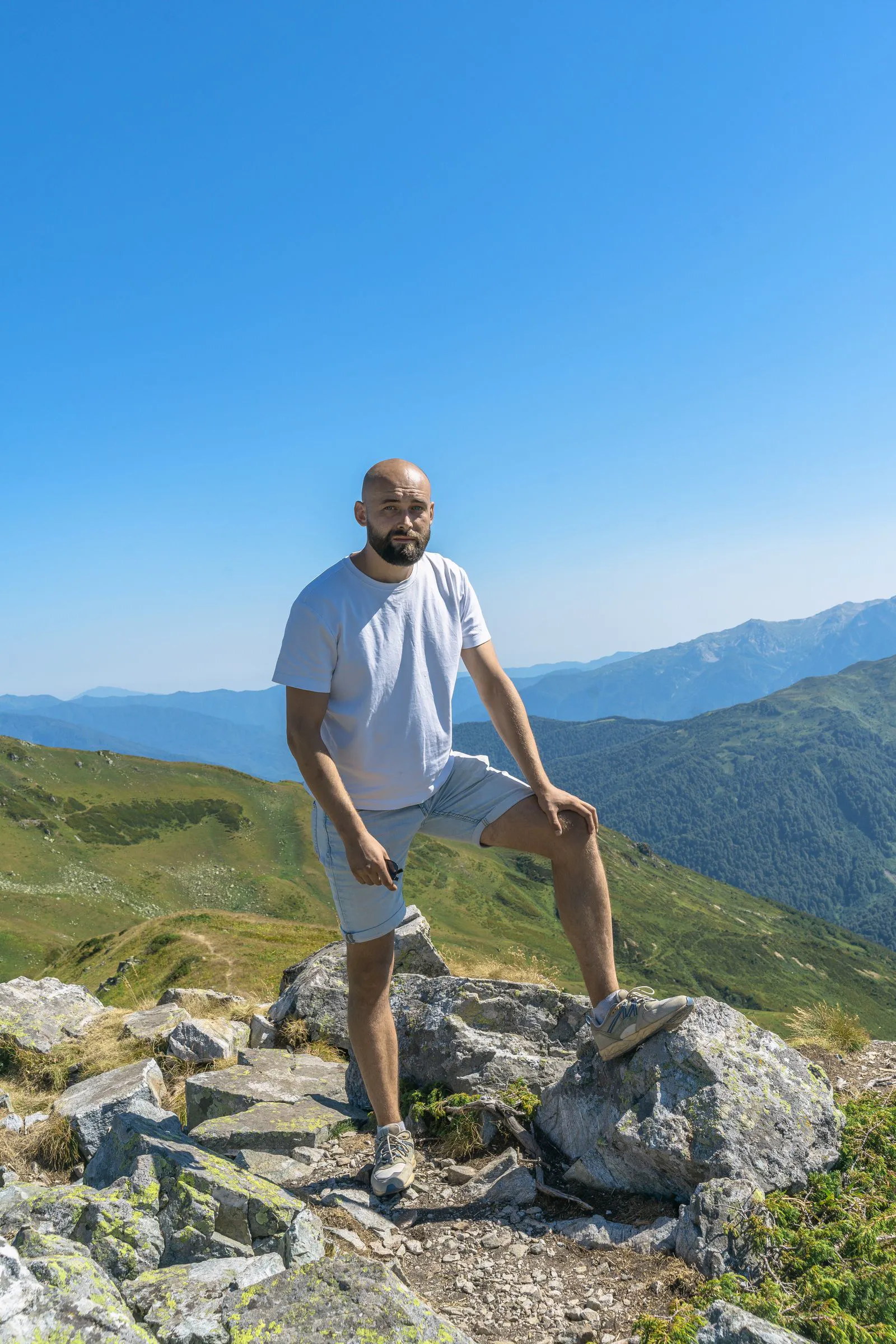
Sunshine, pop divas and a summit selfie! Babe, there’s nothing like standing on top of a mountain with the whole world laid out beneath you. But a long day on the trails can leave unprepared legs shaking and knees grumbling. With a few weeks of smart training, you’ll stride up those hills, enjoy the descent and still have energy for a celebratory dinner. Gotta order more protein, then let’s get hike-ready.
What Hiking Really Asks of Your Body
- Strong legs: quads, glutes and calves power every uphill step.
- Stamina: hours on your feet, not just a short burst.
- Tough knees and ankles: downhill sections and uneven ground test your joints.
- A sturdy core and back: to carry a backpack comfortably.
- Balance: rocks, roots and loose gravel keep you on your toes.
The Six-Week Hike-Ready Plan
Train three to four times a week. Adjust to your fitness, and talk to a professional if you have an injury.
Weeks one and two: build the base
- Two brisk walks of thirty to forty-five minutes, including any hills you can find.
- One strength session: bodyweight squats, lunges, step-ups and glute bridges, three sets of ten to twelve.
- One stair session: ten minutes of steady stair climbing.
Weeks three and four: add hills and weight
- One longer walk of one to two hours on hilly ground.
- Add a light backpack (a few kilos) to one walk a week.
- Strength: step-ups with dumbbells, reverse lunges, single-leg Romanian deadlifts and calf raises.
- Stairs or an incline treadmill for twenty minutes.
Weeks five and six: practise the real thing
- A long practice hike of two to four hours with your actual backpack and boots.
- Strength sessions continue, slightly heavier.
- One easy recovery walk, plus stretching.
- Taper down a little in the last few days before your trip.
Train for the Downhill
Downhills are where knees complain most, because your muscles work while lengthening to brake each step.
- Slow step-downs: stand on a step and lower one heel to the floor slowly, three seconds down. Ten each leg.
- Reverse lunges: control the movement down.
- Wall sits: build endurance in your thighs.
- On the trail: shorten your stride, bend your knees and consider trekking poles.
Balance and Ankle Strength
- Stand on one leg while brushing your teeth.
- Do calf raises on one leg.
- Walk on grass, sand or uneven paths to wake up your feet.
Break In Your Gear
Wear your hiking boots or trail shoes on training walks so blisters happen at home, not halfway up a mountain. Practise with the same backpack, adjusting hip and chest straps so the weight sits on your hips. Pack the essentials you’d take on the day.
Fuel and Hydrate
On longer training hikes, practise eating and drinking on the move: water little and often, plus snacks like nuts, fruit, sandwiches or bars. Learn what your stomach likes before the big day.
On the Day
Start early to enjoy cooler air, set a pace where you can still chat, take short breaks and enjoy the view. It’s not a race, babe. The summit isn’t going anywhere.
Train smart, hike happy and strike that victory pose at the top. You’ve earned it!
Comments
Also give your opinion.

 The Captain Look

Leave a comment