

















Every Step a Breath: A Gentle Beginner’s Guide to Walking Meditation
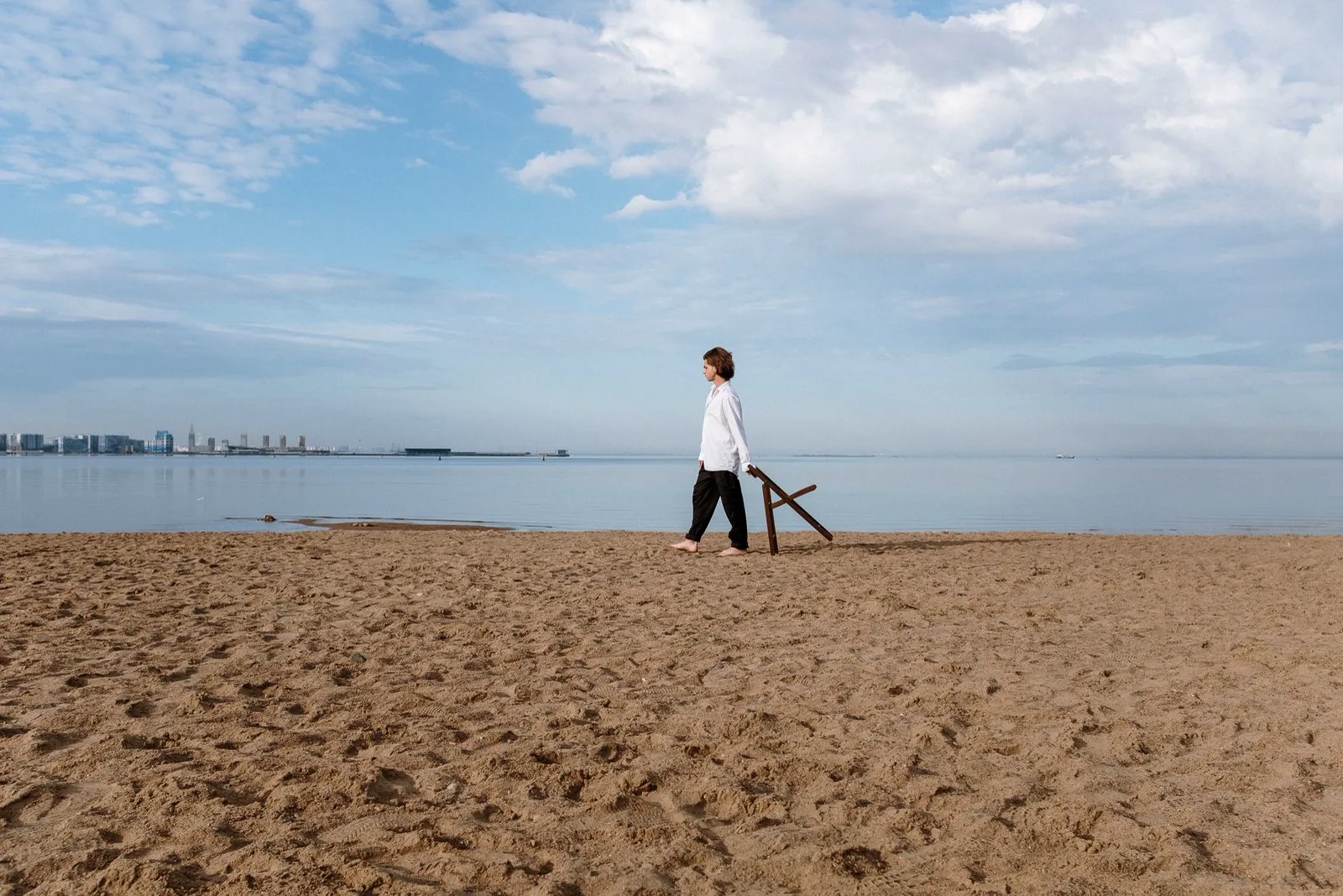
Some of us find it hard to sit still with our eyes closed. The mind races, the legs fidget, and meditation starts to feel like another test to fail. Akira here, with good news: you can meditate while moving. Walking meditation turns ordinary steps into a quiet practice that calms the mind and brings you home to your body.
What Walking Meditation Is It is simply walking with full attention. Instead of walking to get somewhere, you walk to be where you are. The focus is on the feeling of each step: lifting the foot, moving it forward, placing it down, shifting the weight. When the mind wanders, you gently bring it back to the feet. That is the whole practice.
Why It Helps – It suits restless bodies that find sitting difficult. – The movement gives the mind something simple to rest on. – It can be done almost anywhere: a garden, a beach, a hallway, a quiet park path. – It gently connects you with your surroundings, turning a short walk into a small retreat.
Choose Your Path Start with a quiet stretch of ground, about ten to twenty steps long, where you can walk back and forth without worrying about traffic or obstacles. A garden lawn, an empty corner of a park or a calm stretch of sand are perfect. Barefoot on soft sand or grass adds a lovely layer of sensation.
The Basic Practice 1. Stand still first. Feel your feet on the ground. Take three slow breaths and notice your body standing. 2. Walk slowly. Much slower than usual, about half your normal pace or less. 3. Feel each part of the step. Lifting, moving, placing. You can silently note the words “lift, move, place” if it helps. 4. Keep your gaze soft. Look a few metres ahead, not down at your feet. 5. Let your arms rest. Hands relaxed at your sides, or loosely clasped in front or behind you. 6. Turn mindfully. At the end of the path, pause, feel yourself standing, then turn slowly and begin again. 7. When the mind wanders, return. No judgment. Notice where it went, then bring attention back to the soles of your feet.
Start with ten minutes and see how it feels.
Variations to Explore – Breath and steps: match your steps to your breath, for example two steps on the in-breath and two on the out-breath. – Sense walk: walk at a normal pace, noticing one sense at a time: what you hear, then what you see, then what you smell. – Gratitude steps: with each step, silently name something you are thankful for. – Everyday walking meditation: choose one short daily walk, like the path to the bus or to the shop, and walk it with full attention.
Gentle Reminders – There is no perfect way to do this. Wobbly balance and busy thoughts are part of the practice. – Slow walking can feel strange at first, especially in public. A private garden or a quiet early-morning beach helps. – If you have balance concerns, practise near a wall or rail.
Bringing It Into Daily Life Over time, the calm you build in these slow walks begins to travel with you. You may notice your feet on the floor during a stressful meeting, or feel the ground under you while waiting in a queue. Each moment of noticing is a small return to peace.
Unlimited form, unlimited possibilities. One step, one breath, and you are already there.
Comments
Also give your opinion.

 The Captain Look






Leave a comment