

















Ride Smarter, Be Seen: Bike Computers and Bike Lights Explained
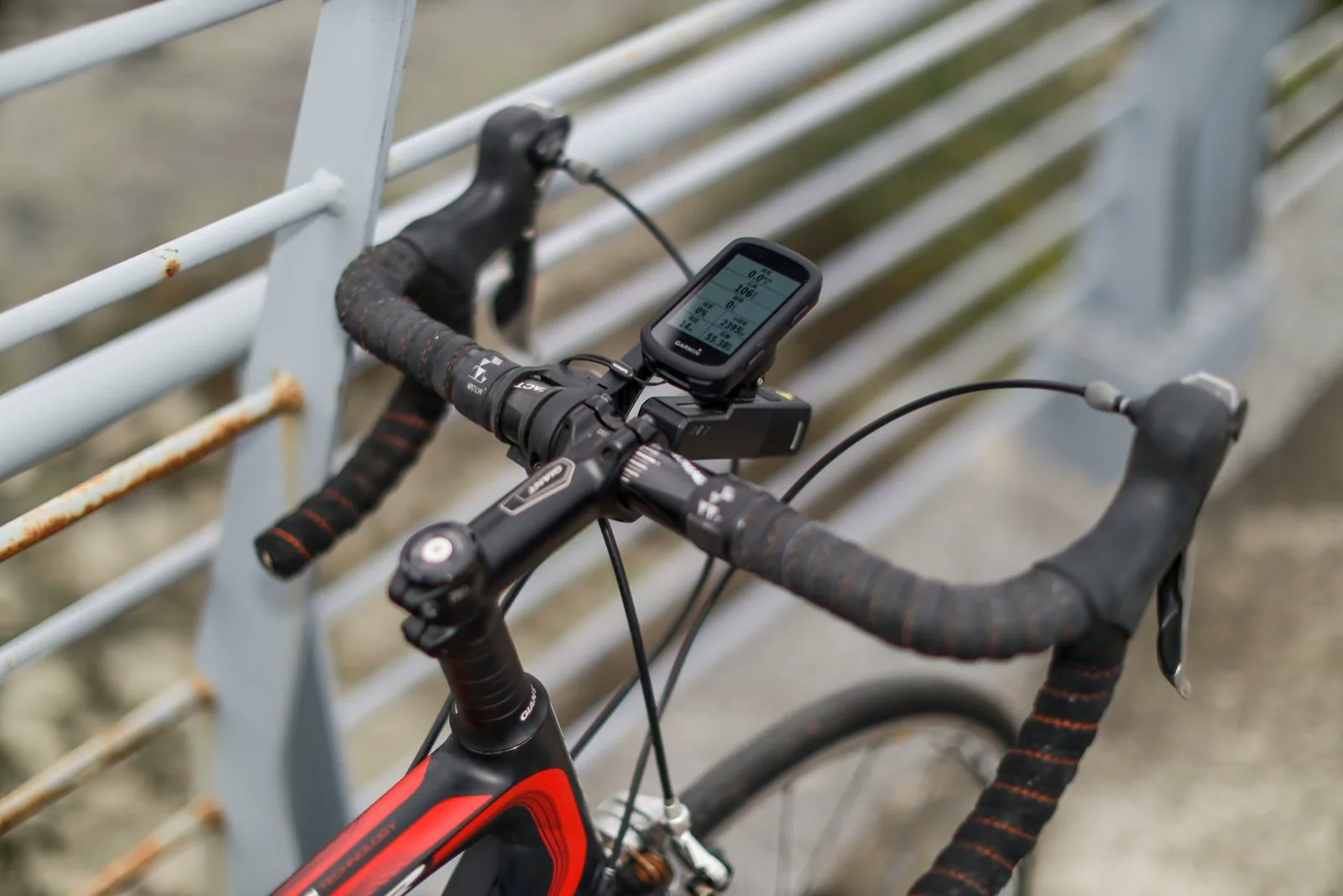
Namaste, cyclists. Dev here. Whether you pedal along the seafront for coffee or chase long rides through the hills, a little tech can make cycling safer, smarter and more fun. Two gadgets give the biggest upgrade for the money: a bike computer that tells you where you are and how you’re doing, and good lights that make sure everyone sees you. Let’s debug your bike setup. It’s not a bug, it’s a feature.
Bike Computers: Your Handlebar Co-Pilot
A bike computer is a small screen mounted on your handlebars. There are three main levels:
1. Basic speedometers. Simple devices that show speed, distance, ride time and sometimes temperature. Affordable, light and often run for months on a coin battery. Perfect for casual riders.
2. GPS bike computers. Use satellites to record your route, show maps and give turn-by-turn navigation. Many connect to sensors and sync rides to apps automatically. Ideal for exploring new routes and longer rides.
3. Phone mounts. Use your smartphone with a cycling app. Cheap to start, but phones drain fast, can overheat in the sun and are expensive to drop.
What to Look for in a GPS Computer
- Navigation: turn-by-turn directions and route planning, ideally with maps you can download for offline use.
- Battery life: often 10 to 30 hours or more. Check it matches your longest rides.
- Screen readability: a screen you can read in bright sunshine is essential. Many use special displays designed for direct sun.
- Sensor compatibility: heart rate straps, speed and cadence sensors and power meters usually connect via Bluetooth or ANT+.
- Safety features: some offer crash detection that can alert an emergency contact, and live tracking so friends can follow your ride.
- Mount type: an out-front mount keeps the screen in your eyeline.
Bike Lights: See and Be Seen
Lights aren’t only for night rides. Daytime running lights, especially a flashing rear light, can make you more visible to drivers in bright sun and shade. In many countries, front and rear lights are legally required when riding in the dark, so check local rules.
Front lights – Brightness is measured in lumens. Around 100 to 400 lumens is fine for being seen on lit city streets. For unlit roads or trails, look for 600 lumens or more. – Beam shape matters. Some lights are designed not to dazzle oncoming traffic, which is kinder to everyone.
Rear lights – A bright red rear light with a flashing daytime mode is a smart choice. – Side visibility helps at junctions. – Some smart rear lights brighten when you brake, and some include radar that alerts you to approaching vehicles on a compatible computer.
Charging and Care
- USB-C rechargeable lights are convenient. Charge after every few rides.
- Check water resistance ratings if you ride near the sea or wash your bike often.
- Keep firmware updated on GPS computers for better maps and bug fixes.
- Remove gadgets when locking up your bike in public. Thieves love shiny things too.
A Simple Setup by Rider Type
- City cruiser: basic speedometer or phone mount, front and rear lights with daytime flash.
- Weekend explorer: GPS computer with navigation, bright front light, smart rear light.
- Training enthusiast: GPS computer with sensors, heart rate strap, radar rear light.
Safety Beyond Gadgets
Tech helps, but the basics still count: a well-fitted helmet, bright or reflective clothing, regular brake and tyre checks, and riding predictably. Look up from the screen often and enjoy the view.
Pedal happy, ride smart, shine bright. Namaste.
Comments
Also give your opinion.

 The Captain Look






Leave a comment