

















Your First Travel Drone: How to Choose One and Fly It Right
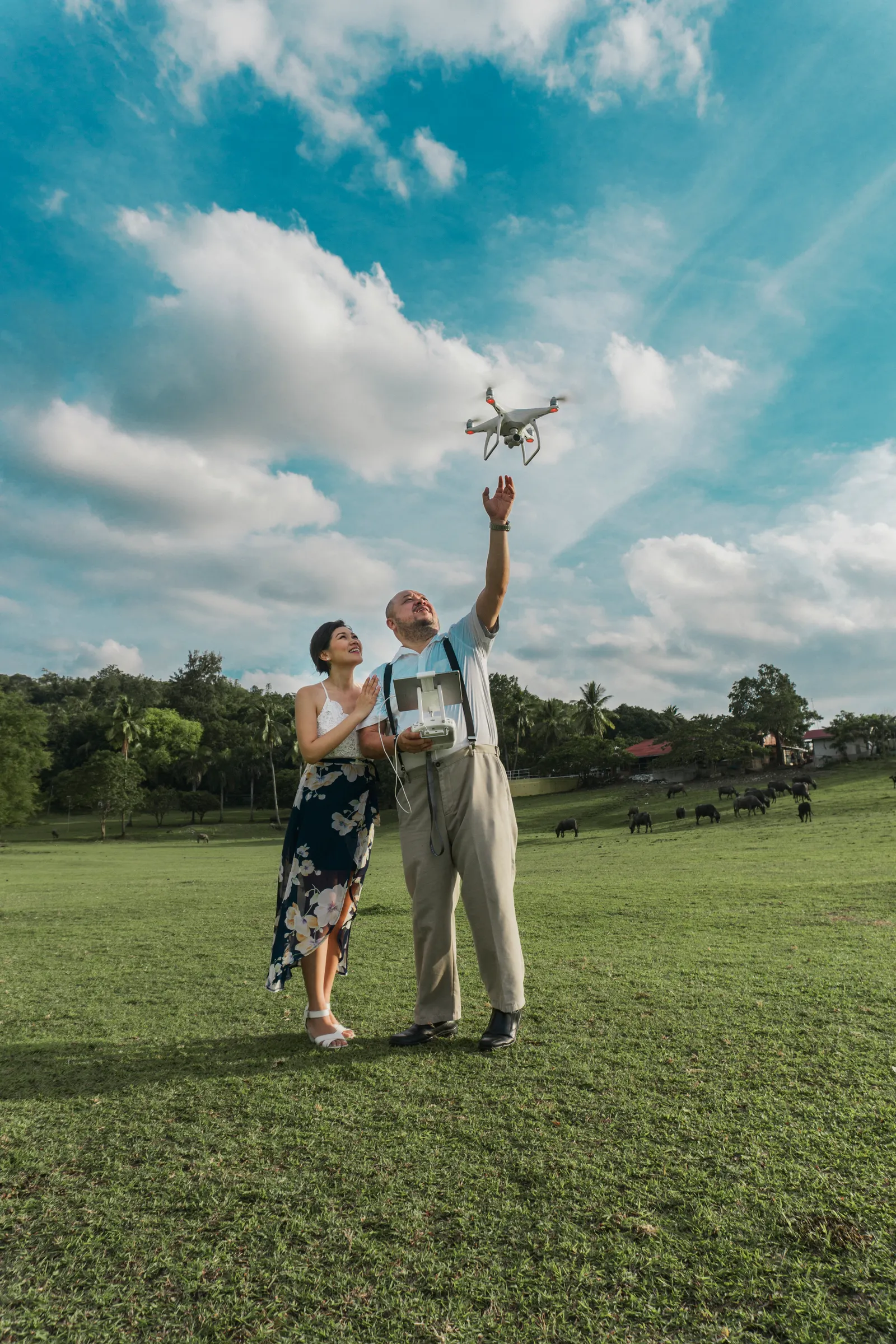
Namaste, friends. Few things make holiday photos pop like a sweeping shot from above: a turquoise bay, a winding mountain road, a tiny boat on endless blue. A small camera drone makes that possible. But before you start filming your best life from the sky, let’s choose the right drone and fly it responsibly, because nobody wants their travel story to end with a confiscated gadget.
Start With the Rules
Drone laws vary by country, and they matter. Check the rules for every country you’ll fly in before you travel.
- Registration: many countries require you to register as an operator, especially for drones with cameras or above a certain weight (250 g is a common threshold).
- Height limits: a common maximum is around 120 metres (400 feet) above ground.
- Visual line of sight: you usually need to be able to see your drone with your own eyes at all times.
- No-fly zones: airports, military sites, some national parks, crowds and many city centres are off limits. Official apps and maps show restricted areas.
- Privacy: don’t film people without their permission or fly over private property.
It’s not a bug, it’s a feature: these rules keep the skies safe for everyone.
Choosing Your First Drone
- Weight: drones under 250 g are lighter to carry and often face simpler rules in many places, making them great for travel.
- Camera: look for at least 4K video and a gimbal (a stabiliser) for smooth footage.
- Flight time: 25 to 35 minutes per battery is a comfortable range. Extra batteries are worth it.
- Obstacle sensing: sensors that detect obstacles can save you from trees and walls while you learn.
- Return-to-home: a feature that flies the drone back automatically if the signal or battery runs low. Essential.
- Wind resistance: coastal and mountain breezes are real, so check the drone’s wind rating.
Practise Before the Trip
- Learn in an open, legal space like a large field away from people.
- Start in beginner mode, which limits speed and distance.
- Practise basic moves: take-off, hover, slow turns, landing.
- Test return-to-home so you know it works.
- Watch the official tutorials from your drone’s maker.
Travelling With a Drone
- Batteries go in hand luggage, not in checked bags. Airlines have rules on lithium batteries, so check yours.
- Pack a padded case to protect propellers and the gimbal.
- Carry spare propellers. They’re cheap and fragile.
- Bring proof of registration if required where you’re going.
Getting Better Footage
- Fly early or late for soft, golden light.
- Move slowly. Smooth, gentle movements look cinematic; fast jerks look shaky.
- Try classic shots: a slow rise revealing the view, a straight-down “top shot” over water, a slow orbit around a landmark (where legal).
- Shoot a little extra before and after each move, so you have room to edit.
Fly Kind
Keep away from wildlife, especially birds and nesting areas. Respect quiet places and other travellers who came for peace, not buzzing. If in doubt, don’t fly.
With the right drone and a little practice, your adventures can look as epic as they feel. Namaste, and happy (legal) flying.
Comments
Also give your opinion.

 The Captain Look






Leave a comment