

















Grind It Fresh: How to Choose and Use a Burr Coffee Grinder
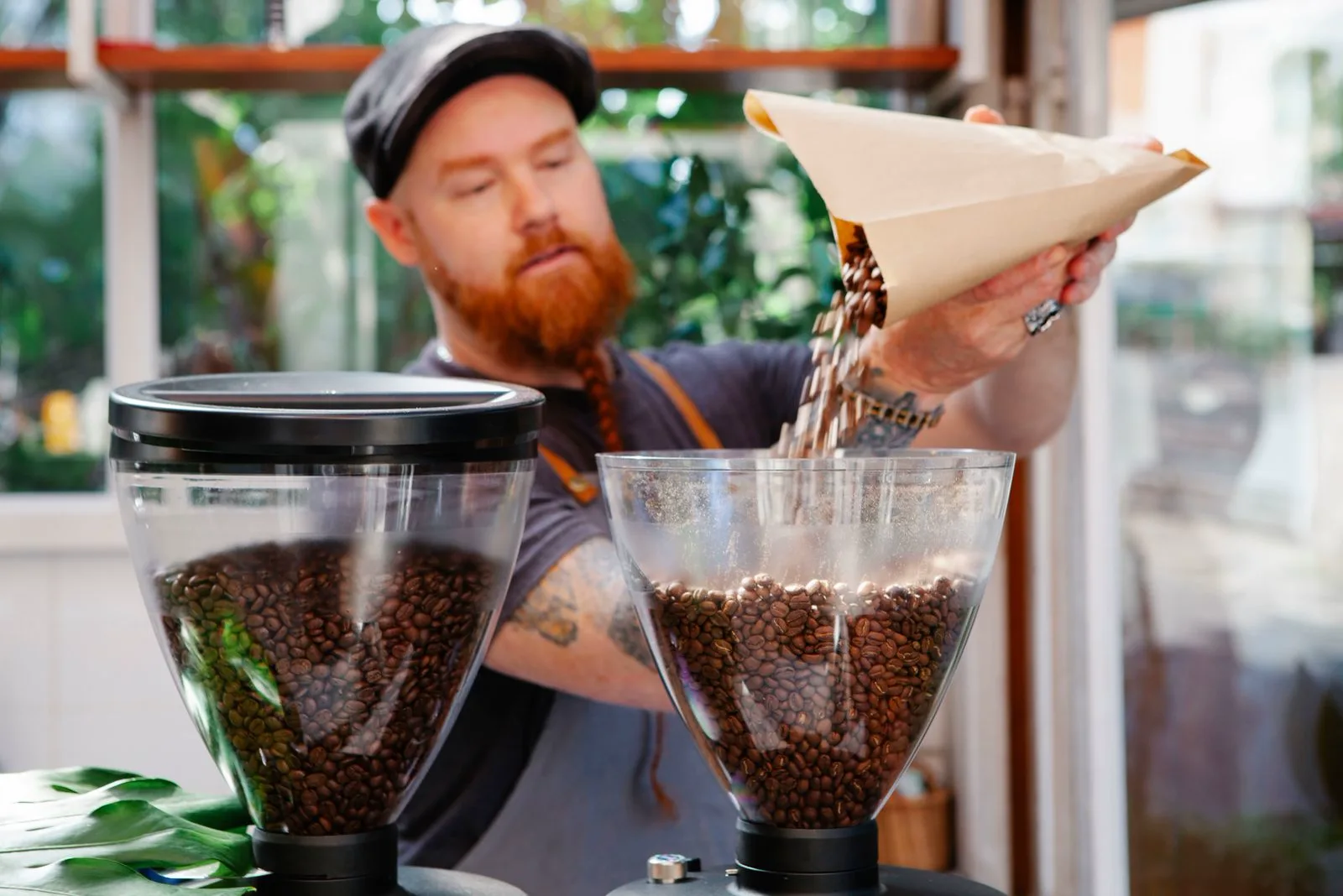
Here is a little secret from the geek corner: the biggest upgrade to your home coffee is not a shiny new machine. It is the grinder. Fresh, even grounds make a cheap brewer taste fancy, and stale, uneven ones make a fancy brewer taste sad. Dev here, and we are going to choose, set up and look after a grinder like the nerdy coffee lovers we are. Namaste, and caffeinate wisely.
Why Grinding Fresh Changes Everything
Once a coffee bean is broken open, its aromas start escaping fast. Pre-ground coffee loses much of its sparkle within days of opening the bag. Grinding right before you brew keeps all that flavour in your cup instead of in your kitchen air. It also lets you match the grind to your brewing method, which is where the real magic happens.
Blade or Burr? The Big Choice
- Blade grinders work like a tiny food processor: a spinning blade smashes the beans. They are small and simple, but they make a mix of dust and chunks. The dust over-extracts and turns bitter, the chunks under-extract and taste sour. Same cup, two problems.
- Burr grinders crush beans between two rough surfaces set a fixed distance apart, so the grounds come out much more even. Even grounds mean an even, balanced extraction. This is the one we want, babe.
Flat or Conical Burrs
Burrs come in two shapes. Conical burrs are common in home and hand grinders, run at lower speeds, stay fairly quiet and are forgiving. Flat burrs are popular with espresso enthusiasts and can give a very uniform grind, often in bigger, louder machines. For most of us, a good conical burr grinder is the sweet spot. Do not let forum debates keep you up at night.
Hand or Electric?
- Hand grinders: compact, quiet, no plug, perfect for one or two cups and wonderful for travel. A gentle arm workout is included free of charge.
- Electric grinders: faster and easier when you make coffee for a crowd or several times a day. Look for a timer or dose setting so you can repeat the same amount every morning.
The Grind Size Cheat Sheet
Different brewers need different grind sizes, because water spends different amounts of time with the coffee:
- Espresso: fine, a little like powdered sugar with a touch of grit. Espresso needs a grinder with small, precise adjustments.
- Moka pot: fine, but a step coarser than espresso.
- Pour-over and drip filter: medium, like sand.
- Cafetière (French press): coarse, like sea salt, so the mesh filter can hold it back.
- Cold brew: extra coarse, since it steeps for many hours.
Dialling In Like a Pro
Think of it like debugging, but delicious. Change one thing at a time and taste:
- Sour, thin or watery? The coffee is under-extracted. Grind a little finer.
- Bitter, harsh or drying? It is over-extracted. Grind a little coarser.
- Weigh your beans with a small kitchen scale so the only thing changing is the grind. Consistency is the whole game.
- Write down your setting for each bean you love. Your future self will thank you.
Keep It Clean, Keep It Tasty
- Brush out old grounds from the burrs and chute every week or so; stale bits hiding inside spoil fresh coffee.
- Every month or two, take the burrs out as the manual shows and give them a proper brush. Grinder cleaning tablets made for the job are an easy option too.
- Never wash burrs with water unless the manufacturer says you can, as they can rust.
- Do not grind rice, spices or flavoured beans in your coffee grinder. Some burrs hate it, and nobody wants cinnamon espresso by accident.
What to Look For When Buying
- Steel or ceramic burrs, never a blade.
- Enough grind settings for your method, with fine steps if you drink espresso.
- A low-retention design, so little coffee stays trapped inside.
- Easy access to the burrs for cleaning.
- Replacement burrs and parts available from the brand.
Get the grinder right and every cup gets better, whatever you brew it in. It’s not a bug, it’s a feature, babe: your morning coffee just got an upgrade.
Comments
Also give your opinion.

 The Captain Look






Leave a comment