

















Powered by Sunshine: How to Choose a Portable Solar Charger
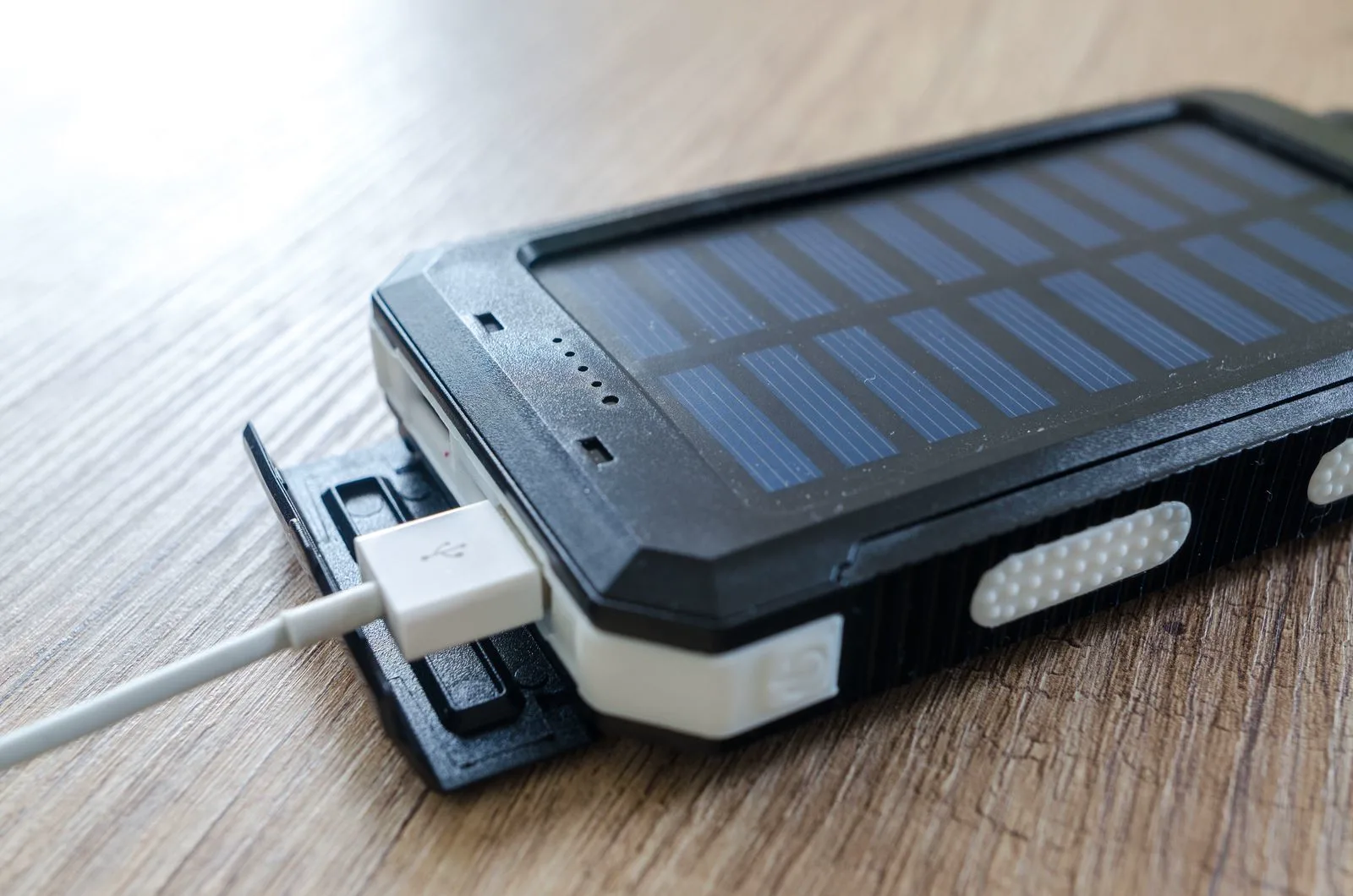
Namaste, sun-worshippers. Dev here. In paradise, the sun is always shining, so why not let it charge your phone? Portable solar chargers turn sunlight into battery power for beach days, boat trips, camping and hikes far from a socket. But the shop shelves are full of big promises. Let’s decode the specs so you buy one that actually works. It’s not a bug, it’s a feature: free energy from the sky.
Two Main Types
1. Solar power banks. A battery pack with a small solar panel on the front. Brilliant as a regular power bank you charge at home, with solar as a slow top-up. The tiny panel alone usually takes a long time to fill the battery, sometimes days of sun.
2. Folding solar panels. Larger panels that fold out like a book, often 15 to 30 watts or more. They charge devices much faster in direct sun and can feed a power bank, which then charges your phone at night.
For most travellers, the dream team is a folding panel plus a separate good-quality power bank.
Watts Matter Most
The panel’s wattage tells you roughly how much power it can produce in strong, direct sunlight.
- 5 to 10 W: slow trickle charging for one phone. Fine for emergencies.
- 15 to 25 W: a sensible choice for phones and small gadgets on day trips and hikes.
- 40 W and up: for bigger power banks, cameras, or a group of friends.
Real-world output is usually lower than the label, because angle, heat and the time of day all affect it. Buying a little more wattage than you think you need is wise.
Ports and Cables
Check the outputs match your devices:
- USB-A: universal, but often slower.
- USB-C: faster for modern phones and many gadgets, and handy for charging power banks.
- Multiple ports: useful for charging two devices at once, though power is shared.
Bring the right cables, and keep them short. Long cables can waste a little power.
Durability for Real Adventures
- Water resistance: look for an IP rating if you’ll be near splashes. IPX4 handles splashes; higher numbers resist more.
- Weight: around 500 g to 1 kg is typical for a good folding panel. Lighter is lovely for hiking.
- Attachment loops: clip it to your backpack while walking so it charges on the move. Angle it towards the sun when you can.
How to Get the Best Charge
- Face the sun directly. Tilt the panel so sunlight hits it squarely. Adjust every hour or so as the sun moves.
- Midday is strongest. Late morning to mid-afternoon gives the best output.
- Keep the panel cool. Panels lose some efficiency when very hot. Shade your phone or power bank, not the panel.
- Charge a power bank first. Many phones stop and start charging when the sun flickers. A power bank absorbs the energy steadily.
- Keep it clean. Sand and salt spray reduce output. Wipe gently with a soft cloth.
Protect Your Phone
Never leave your phone baking in direct sun while it charges. Phones can overheat and pause charging, and heat isn’t good for batteries. Tuck it under a towel, in a shady bag pocket or beside the panel in the shade.
Who Needs One?
- Hikers and campers away from power for a day or more.
- Boat lovers spending long days on the water.
- Festival and beach crowds who want to keep phones alive for photos and maps.
- Anyone preparing an emergency kit at home.
If you only need a bit of extra power on city trips, a regular power bank is simpler and lighter.
Harness the sunshine, keep your memories charging and stay connected in style. Namaste.
Comments
Also give your opinion.

 The Captain Look






Leave a comment