

















How to Choose an E-Bike: Motors, Batteries and Real Range Explained
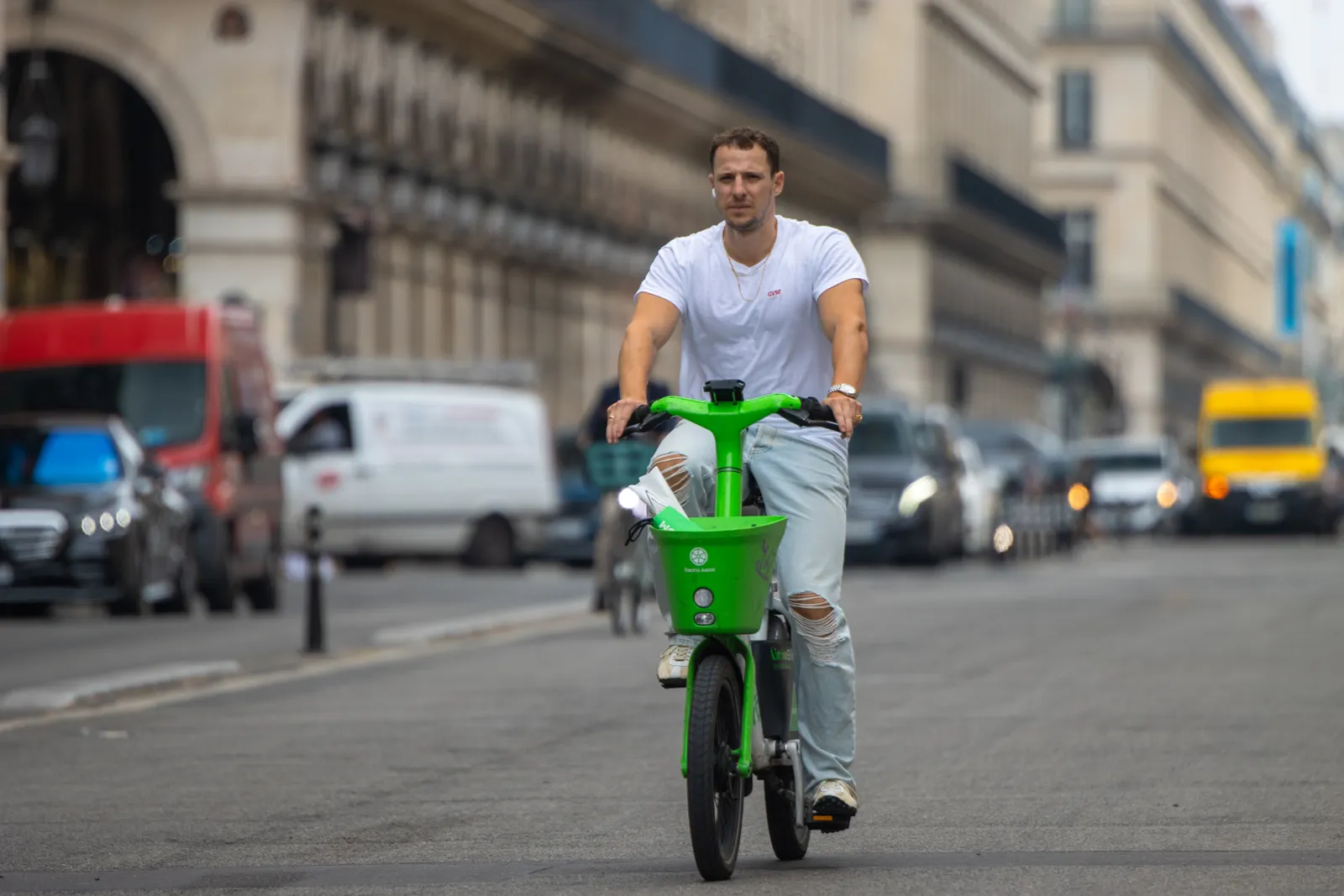
Namaste, commuters. An electric bike is one of the happiest gadgets you can own: hills flatten, headwinds stop being personal and you arrive at brunch without a sweat patch. But the spec sheets are a jungle of watts, newton metres and watt-hours. Dev is here to debug the jargon so you can pick the right one.
First, What Kind of Riding?
Before you look at a single number, decide how you will actually use it.
- City commuting: upright position, mudguards, lights, a rack and puncture-resistant tyres.
- Leisure and weekend rides: comfort, a decent range and a frame that is easy to step through.
- Hills and trails: a stronger motor, wider tyres and suspension. An electric mountain bike is its own category.
- Small flat or train commute: a folding e-bike that tucks under a desk or into a cupboard.
Motor: Hub or Mid-Drive?
- Hub motor: sits in the front or rear wheel. Usually cheaper, quiet and simple. Great for flat or gently rolling cities.
- Mid-drive motor: sits at the pedals and works through the gears. It feels more natural, climbs better and balances the bike nicely, but costs more.
Look for a torque sensor rather than a basic cadence sensor if you can. A torque sensor gives help in proportion to how hard you push, so it feels like you suddenly have superhero legs rather than being towed.
Battery and Real Range
Battery size is measured in watt-hours (Wh). More Wh means more range, but manufacturers’ figures are usually measured in ideal conditions. Real range depends on:
- How much assistance you use.
- Hills, wind and your weight plus luggage.
- Tyre pressure and temperature.
A rough rule: think about your longest regular ride, double it, and choose a battery that comfortably covers that. Also check whether the battery is removable, so you can charge it indoors if you have no socket near where you park.
Know the Local Rules
Many countries have legal limits for e-bikes, such as a maximum assisted speed and motor power, and some require pedalling for the motor to work. Faster models can fall into a moped category that needs registration, insurance or a licence. Check the rules where you live before you fall in love with a speedy model.
Features Worth Paying For
- Hydraulic disc brakes: strong, smooth stopping on a heavier bike.
- Integrated lights powered by the main battery.
- A good display or app showing battery level, assist mode and range.
- Gears: even with a motor, a decent spread of gears helps on hills and saves battery.
- A sturdy kickstand and rack for daily practicality.
Weight and Storage
E-bikes are heavier than regular bikes, often well over 20 kilograms. If you live up three flights of stairs with no lift, take this seriously. Lift a test bike before buying and think about where it will live.
Test Ride Like a Pro
- Ride up a hill and try each assist level.
- Start from a standstill at a junction to feel how quickly the motor kicks in.
- Check the riding position is comfortable for at least twenty minutes.
- Ask about service plans and where you can get it repaired locally.
Keep It Happy
- Store and charge the battery at room temperature.
- Avoid leaving it fully empty for long periods.
- Keep the chain clean and lubricated, and check tyre pressure weekly.
- Invest in a good lock, or two. E-bikes are popular with thieves.
Choose the bike that fits your real life, not the most powerful spec on the shelf. A great e-bike will have you riding more than you ever expected. Remember, the hill is not a bug, darling, it is a feature.
Comments
Also give your opinion.

 The Captain Look






Leave a comment