

















Bring the Horizon Closer: How to Choose Binoculars for Travel and the Sea
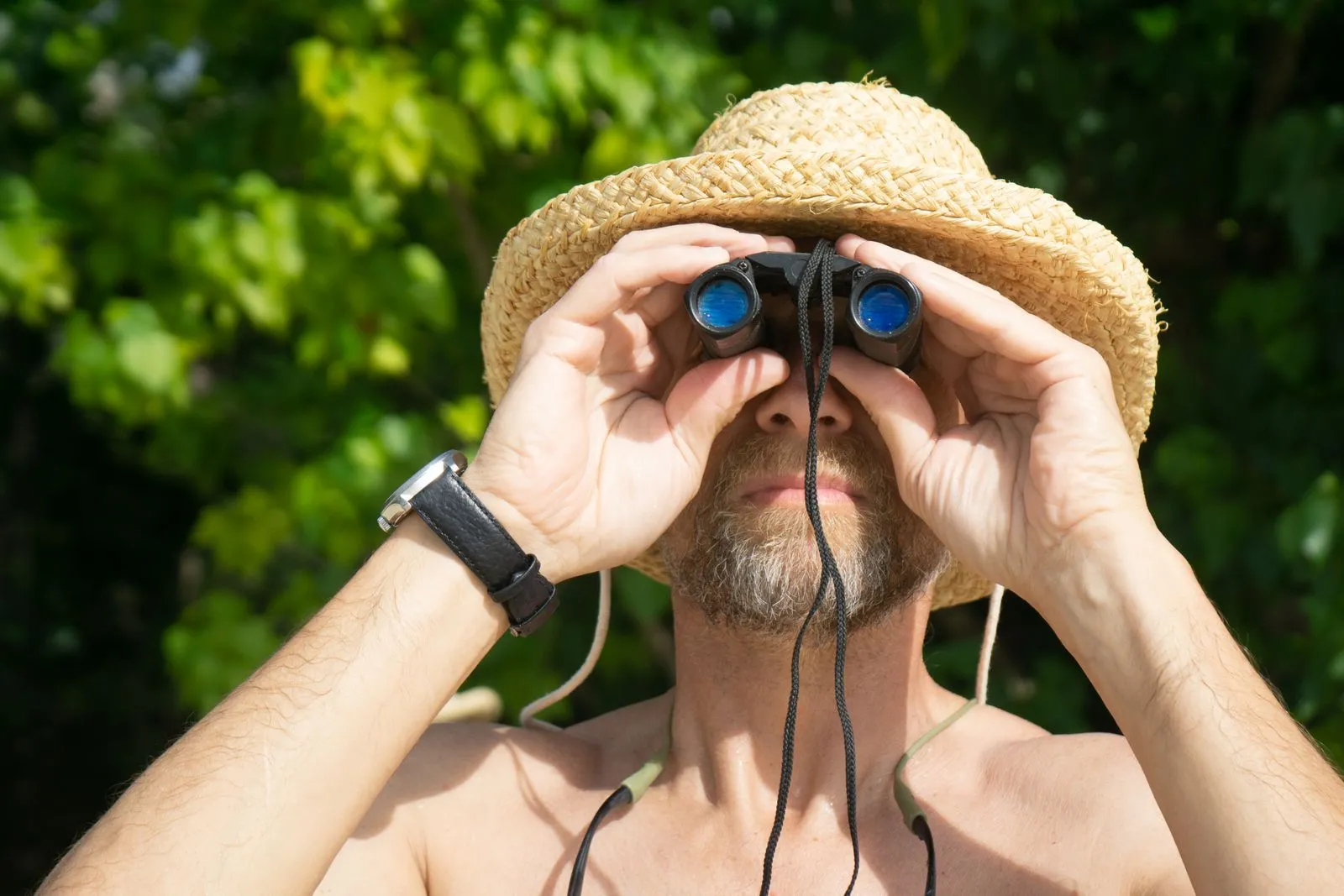
Namaste, friends. Dolphins off the bow, a hawk on a cliff, the details of a cathedral roof, the face of your favourite singer at a big open-air show: binoculars turn “what is that?” into “wow”. Dev here, and while they look simple, binoculars hide a little world of numbers and glass. Let us decode it, so you buy once and buy well. It is not a bug, it is a feature.
The Two Magic Numbers
Every pair of binoculars has a code like 8×42 or 10×25.
- The first number is magnification. 8x means things look eight times closer.
- The second is the lens size in millimetres. Bigger lenses gather more light, so the image is brighter, but the binoculars are heavier.
Quick guide:
- 8x: steady, wide view. Great all-rounder and easiest for beginners.
- 10x: more detail, but every hand wobble is magnified too.
- 12x and above: usually needs a tripod or very steady hands.
Compact vs Full Size
- Compact (lenses around 20 to 28 mm): fit in a jacket pocket or small bag. Perfect for city breaks, concerts and hiking light. A little dimmer in low light.
- Mid-size (around 30 to 36 mm): a happy balance of brightness and weight.
- Full size (around 40 to 50 mm): bright and immersive, wonderful for wildlife and dawn or dusk, but heavier around your neck.
For most travellers, a compact 8×25 or a mid-size 8×32 is the sweet spot.
Field of View
This tells you how wide the scene looks, often written in metres at 1,000 metres or in degrees. A wider field makes it easier to find and follow moving things, like birds or dolphins. Lower magnification usually means a wider view.
Features Worth Looking For
- Waterproof and fog-proof. Look for sealed, nitrogen or argon-filled designs. Essential near the sea and the pool.
- Good coatings. “Fully multi-coated” lenses give brighter, sharper images with better colour.
- Eye relief. If you wear glasses, choose a long eye relief (around 15 mm or more) and twist-down eyecups.
- Easy focus wheel that turns smoothly with one finger.
- Dioptre adjustment to balance the focus between your two eyes.
- Rubber armour for grip and a little protection from bumps.
On Boats and at Sea
- Stick to 7x or 8x. On a moving deck, higher magnification makes everything jump around.
- Choose waterproof models, and rinse them with fresh water after a salty day.
- Use the strap, always. Binoculars and the sea are not friends.
- Some marine binoculars include a built-in compass, a fun extra for keen sailors.
Setting Them Up
- Adjust the hinge so you see one round image, not two circles.
- Close your right eye and focus with the centre wheel using the left eye.
- Close your left eye and use the dioptre ring near the right eyepiece to sharpen the image.
- Open both eyes and enjoy. Note your dioptre setting for next time.
Care Tips
- Keep the lens caps on when not in use.
- Blow off sand and dust first, then clean lenses with a soft lens cloth.
- Store them in their case, away from heat.
- Never look at the sun through binoculars. Ever.
A good pair can last for decades and turn every trip into a front-row experience. Pack them, use them often, and let the world come a little closer.
Comments
Also give your opinion.

 The Captain Look






Leave a comment