

















Sleep Trackers and Smart Rings: How to Choose One and Read It Calmly
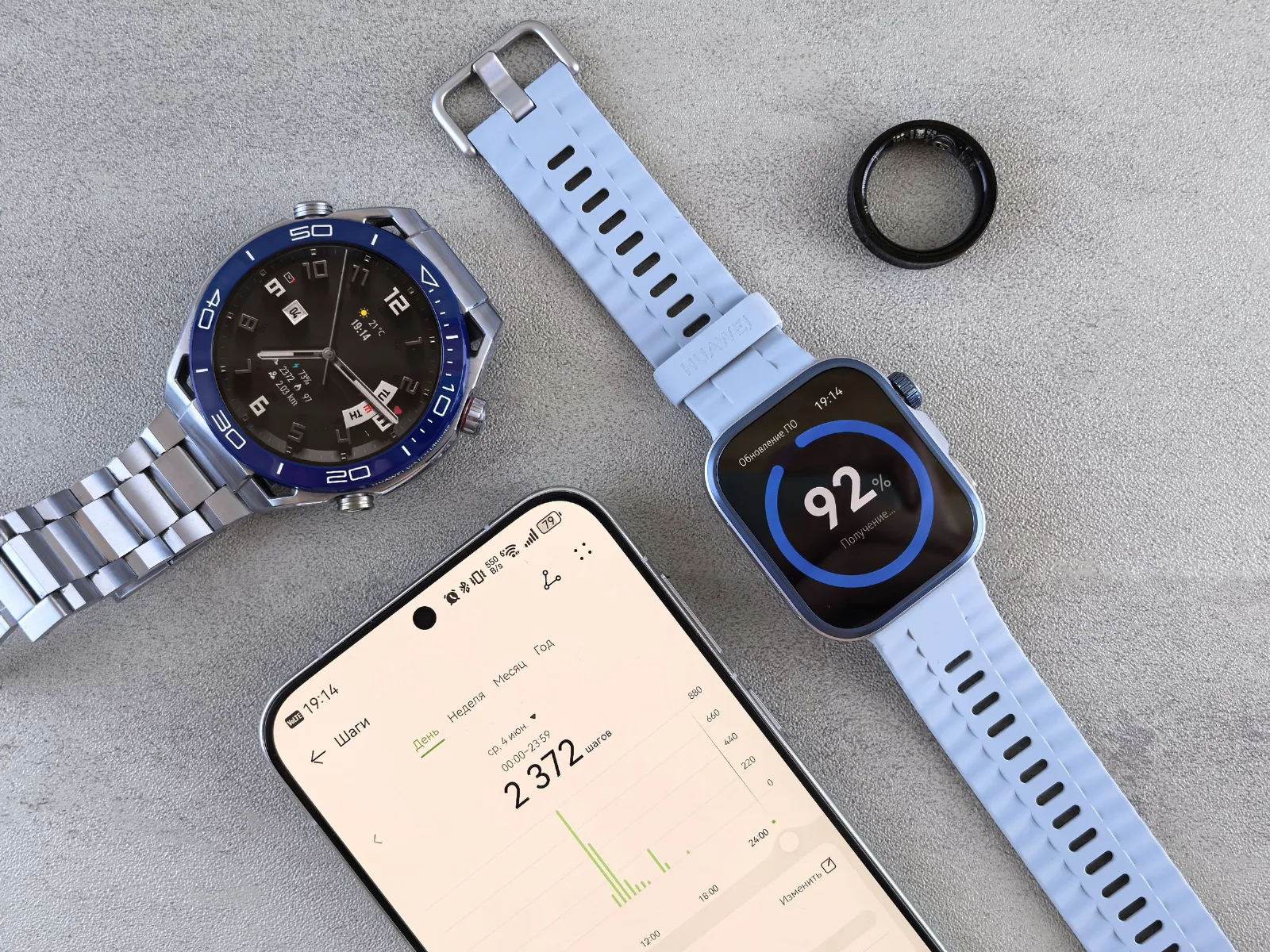
Namaste, friends! Dev here. Curious about what your body gets up to while you are asleep? Sleep trackers, from smart rings to watches to bedside sensors, promise answers. They can be genuinely useful, as long as you choose the right one and do not let the numbers keep you up at night. It’s not a bug, it’s a feature.
The Main Types
- Smart rings: small, light and easy to forget you are wearing. Great if you dislike sleeping with a watch. They track sleep, heart rate and often skin temperature trends.
- Smartwatches and fitness bands: a good choice if you also want notifications, workout tracking and a screen on your wrist during the day.
- Under-mattress and bedside sensors: nothing to wear at all. They sit under your mattress or on the bedside table and track movement and breathing patterns.
- Phone apps: the cheapest way to start, using your phone’s microphone and motion sensors. Less accurate, but a gentle introduction.
What They Actually Measure
Most trackers estimate sleep using movement and heart rate, sometimes with heart rate variability, breathing rate, blood oxygen and temperature. From this, they guess how long you slept, how often you woke and how much time you spent in light, deep and REM sleep.
The key word is estimate. Consumer devices are usually decent at measuring total sleep time and fairly rough at sleep stages. They are not medical devices and cannot diagnose sleep problems.
How to Choose
- Comfort first: if you will not wear it every night, the data is useless. Try a ring sizer or the band in store if possible.
- Battery life: rings and bands often last several days, smartwatches may need daily charging, which can mean missing nights.
- Subscriptions: some devices lock detailed insights behind a monthly membership. Check the total cost before you buy.
- Phone compatibility: make sure it works with your phone and syncs with any health app you already use.
- Privacy: health data is personal. Read how the company stores and shares it, and review the app’s permissions.
Reading Your Data Without Stress
- Watch trends, not single nights. One bad score means nothing. A pattern over weeks can be interesting.
- Look for links. Late meals, caffeine, alcohol, evening workouts and screens before bed often show up in the data.
- Trust how you feel. If you wake up refreshed but your score says otherwise, believe your body.
- Do not chase a perfect score. Obsessing over sleep numbers can actually make sleep worse. If that is happening, take the tracker off for a week.
Turning Data Into Habits
The real value of a tracker is nudging you towards better habits: a consistent bedtime, a wind-down routine, a cooler, darker bedroom and less scrolling in bed. Set a gentle bedtime reminder on the app, then let the device fade into the background.
When to Talk to a Doctor
If you snore loudly, wake up gasping, feel exhausted despite plenty of sleep or struggle with insomnia for weeks, speak to a doctor. A tracker can give you useful notes to share, but it is not a diagnosis.
Choose the device that fits your life, wear it lightly and let it serve your sleep, not rule it. Namaste, and sweet dreams!
Comments
Also give your opinion.

 The Captain Look





Leave a comment