

















Precision Dinner: How to Choose and Use a Sous Vide Cooker at Home
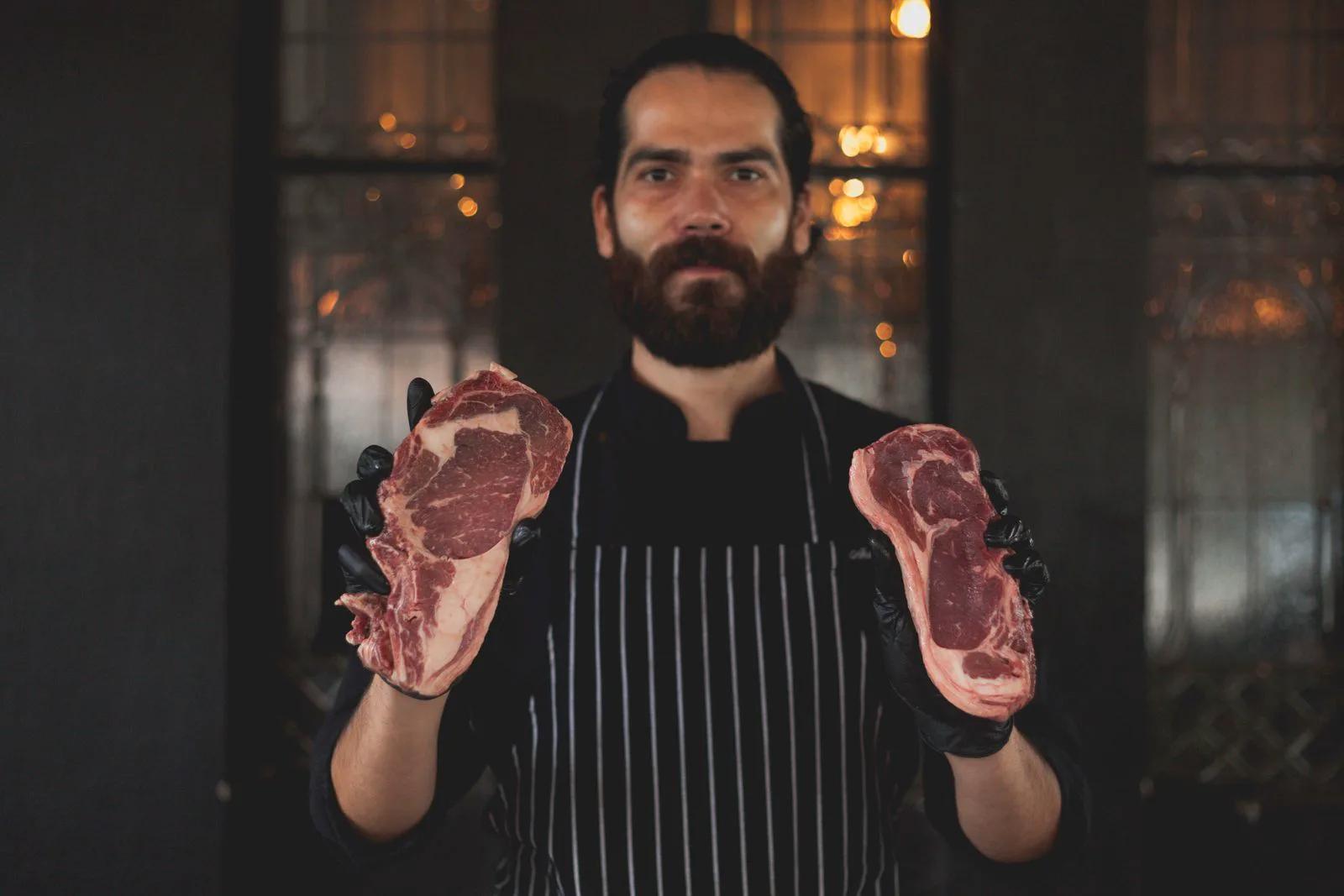
Dev Kamal here, Sailor Geek. Namaste, friends. If you love a gadget that turns guesswork into precision, let us introduce you to the sous vide cooker: a little wand that clips onto a pot of water and cooks your food at an exact temperature. Perfectly pink steak from edge to edge, chicken that stays juicy, eggs with silky yolks. It is basically a thermostat for dinner, and we are obsessed.
What Sous Vide Actually Means
Sous vide is French for “under vacuum”. Food is sealed in a bag and cooked in a water bath held at a precise, steady temperature. Because the water never goes hotter than the target, the food cannot overcook in the usual way. A steak set to medium-rare stays medium-rare whether it sits in the bath for one hour or two.
The gadget that makes this possible at home is an immersion circulator: a stick with a heater, a pump that keeps the water moving and a very accurate thermometer.
Choosing a Sous Vide Cooker
- Power: higher wattage heats the water faster. Handy if you are impatient (we are).
- Clip or clamp: check that it fits the pots you already own. Some need a minimum water depth.
- App or buttons: many connect to your phone over Wi-Fi or Bluetooth with recipes and timers. Lovely, but make sure the device also has manual controls in case the app ever misbehaves.
- Size and noise: compact models store easily in a drawer. Some pumps hum louder than others.
- Accuracy: look for steady temperature control to a fraction of a degree. That is the whole point.
What Else You Need
- A deep pot or a plastic food-safe container. A lid or cling film on top reduces evaporation on long cooks.
- Bags: strong zip-top freezer bags work for most cooks. Lower the filled bag slowly into the water so the pressure pushes the air out, then seal (the water displacement trick). A vacuum sealer is a nice upgrade, not a must.
- A very hot pan for the finish.
Your First Cook: Steak
- Fill the pot, clip in the cooker and set the temperature for your preferred doneness. The device’s app or manual will suggest a range for rare, medium-rare and medium.
- Season the steak, add a sprig of thyme or a slice of garlic if you like, and seal it in the bag.
- When the water reaches temperature, lower in the bag and cook for the time the guide recommends for its thickness.
- Take it out, pat it very dry with kitchen paper.
- Sear in a smoking-hot pan with a little oil for about a minute per side for a gorgeous crust.
Beyond Steak
- Chicken breast: tender and juicy, never chalky.
- Salmon: buttery and delicate.
- Eggs: cooked right in the shell for creamy yolks.
- Vegetables: carrots and root veg keep their colour and flavour.
- Meal prep: cook a few portions, chill them quickly and reheat gently later.
Food Safety Is Not Optional
Precision is powerful, so use it wisely. Always follow tested time and temperature guides from the manufacturer or a trusted food safety source, especially for chicken, pork and fish. Low temperatures need the right amount of time to be safe. Keep raw food cold until it goes in, and if you are not eating straight away, chill cooked food quickly.
Troubleshooting
- Bag floating: clip it to the side of the pot or weigh it down with a spoon. Air pockets mean uneven cooking.
- Grey, sad crust: your food was too wet or the pan not hot enough. Dry thoroughly, heat higher.
- Water evaporating: cover the pot and top up with hot water.
A gadget that gives you restaurant results with almost no stress? That is not a bug, it is a feature. Namaste.
Comments
Also give your opinion.

 The Captain Look






Leave a comment