

















Hit Record: How to Start Your Own Podcast With Simple Gear
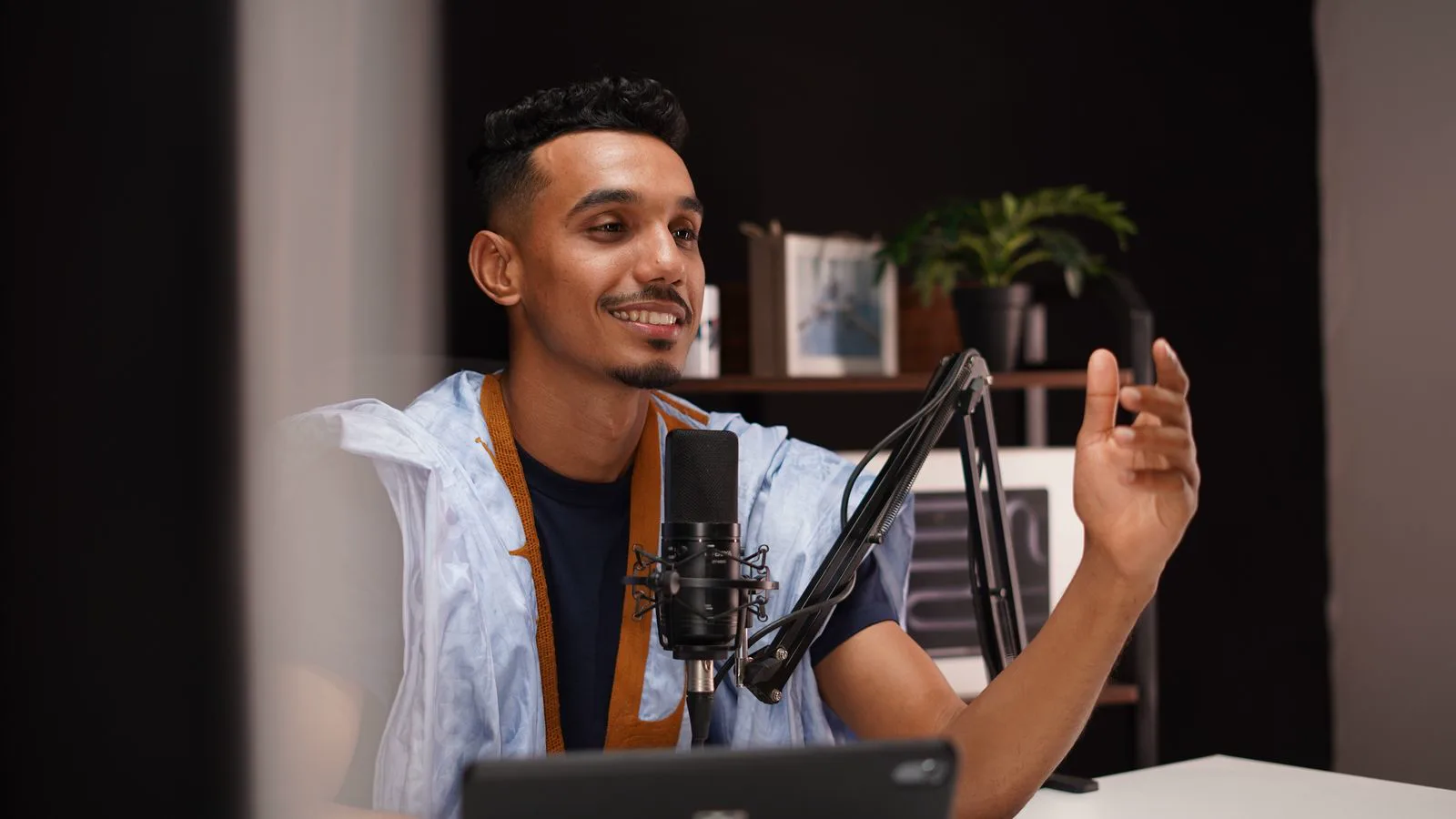
Dev Kamal here, Sailor Geek. Namaste. You have opinions, stories, a best friend who is hilarious, and a phone in your pocket. That, friends, is the start of a podcast. Recording a show used to need a studio. Now a quiet room, a decent microphone and a free app will get you sounding lovely. Let us boot this thing up.
Start With the Idea, Not the Gear
Before you buy anything, answer three questions:
- What is it about? Narrow beats broad. “Gay travel stories from small towns” is easier to love than “life stuff”.
- Who is it for? Picture one listener and talk to him.
- What format? Solo, co-hosted chat, interviews, or short storytelling episodes.
Then record a test episode just for yourself. Listening back is the fastest teacher there is.
Gear: Start Simple
- Your phone: honestly fine for a first episode, especially with a clip-on lavalier mic that plugs into it.
- A USB microphone: the classic upgrade. It plugs straight into a laptop and sounds warm and clear. Dynamic mics pick up less room noise than condenser mics, which helps in normal homes.
- Headphones: closed-back headphones let you hear exactly what you are recording without the sound leaking back into the mic.
- A pop filter or foam windscreen: tames the explosive “p” and “b” sounds.
- A stand or boom arm: keeps the mic steady and at mouth height.
Make Your Room Sound Good
Room sound matters more than an expensive mic.
- Choose a small room with soft things: carpet, curtains, a sofa, a full wardrobe. Bare walls and tiles make echo.
- Turn off noise: fans, fridges nearby, notifications. Put your phone on Do Not Disturb.
- Get close: about a fist’s width from the mic, speaking slightly across it rather than straight into it.
- Record a few seconds of silence at the start. Many editing apps use it to reduce background hiss.
Fun geek fact: recording inside a wardrobe full of clothes can sound surprisingly professional.
Recording Interviews
- In person: ideally one mic per person, each on its own track, so you can balance voices later.
- Remote: use a recording platform that captures each person locally in high quality, rather than recording a video call’s compressed audio. Ask your guest to wear headphones and sit somewhere quiet.
- Always ask permission before recording anyone, and tell them where the episode will be published.
Editing Without Tears
Free and beginner-friendly audio editors exist for every computer and phone. The basics:
- Trim the start and end, cut long pauses and false starts.
- Keep the natural flow. Over-editing can make people sound robotic.
- Use a gentle noise reduction and a “normalise” or “loudness” tool so episodes have consistent volume.
- Add a short intro and outro, using music you have the rights to use (royalty-free libraries or your own).
Publishing Your Show
Podcasts are distributed through a hosting service that creates an RSS feed. You upload episodes there, add your show title, description and cover art, and then submit the feed to the big podcast apps. Many hosts offer free starter plans.
- Cover art: square, bold, readable at thumbnail size.
- Episode titles: clear and specific, so people know what they are clicking.
- Show notes: a short summary, guest names and any links you mention.
Keep Going
- Pick a realistic rhythm. Every two weeks, kept up for a year, beats a burst of daily episodes and then silence.
- Batch record two or three episodes when you are in the flow.
- Share clips of your best moments.
- Ask listeners for feedback and actually read it.
Your voice deserves to be heard, and your first episode will not be perfect. That is not a bug, it is a feature. Hit record. Namaste.
Comments
Also give your opinion.

 The Captain Look





Leave a comment