

















Shhh, Sleep Sounds: How to Use White Noise for Better Nights
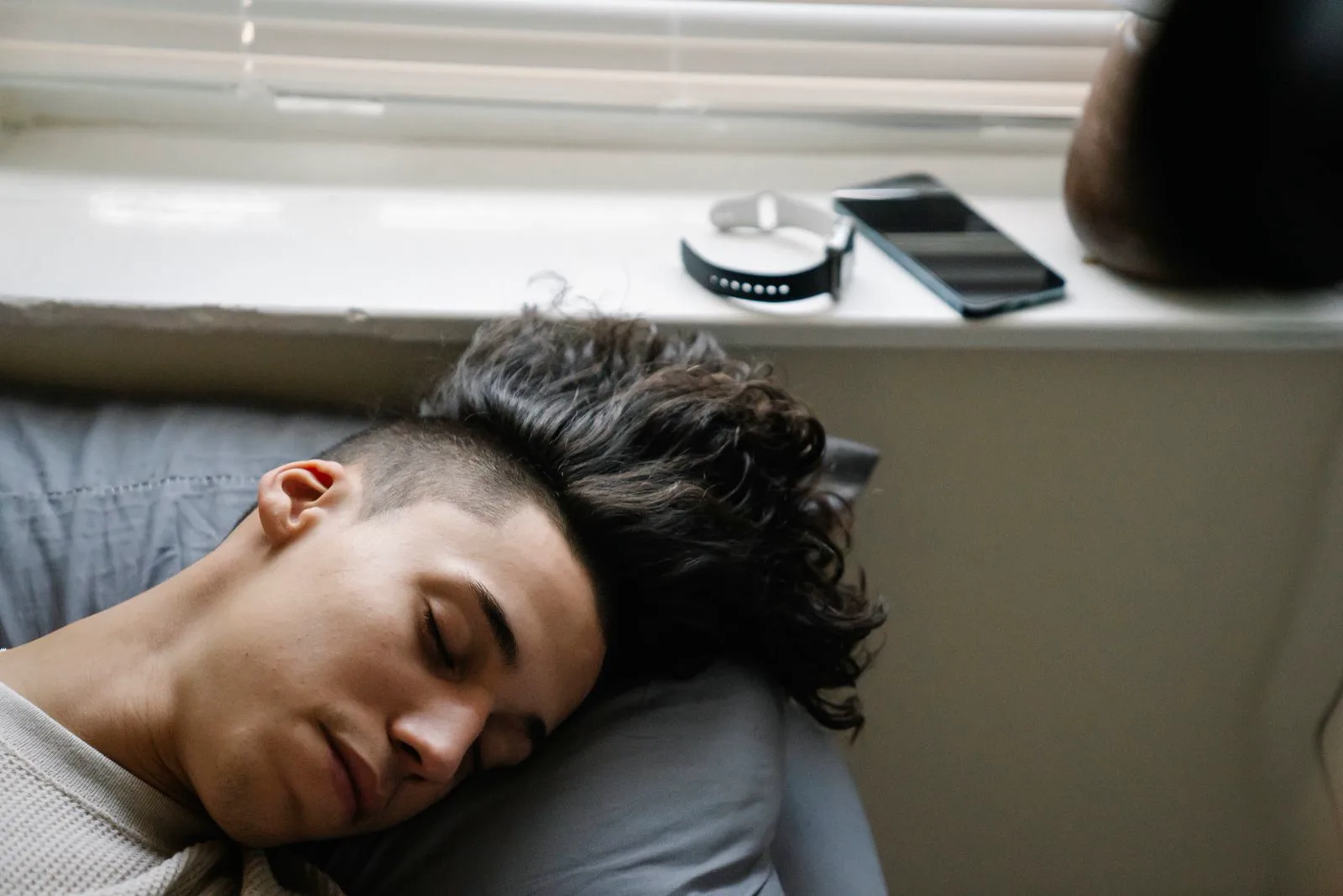
Namaste, sleepy friends. Dev here. The neighbour’s music. A moped revving at 2 a.m. A partner’s snore that could wake a ship’s crew. A hotel corridor full of rolling suitcases. Silence is lovely when you can get it, but often you can’t. That’s where sleep sounds come in: a soft, steady blanket of sound that masks the bumps of the night. Let’s tune it in properly.
How Sleep Sounds Work
Sudden noises wake us because they jump out of the background. A steady sound raises the background level, so those sudden noises stand out less. Your brain also learns to treat a constant, predictable sound as “safe”, which helps many people relax and drift off.
The Colours of Noise
You’ll see different “colours” in apps and machines:
- White noise: equal energy across all frequencies. A bright hiss, like an untuned radio. Great at masking, but some find it harsh.
- Pink noise: softer, with more weight in the lower frequencies. Like steady rain or rustling leaves. Many people find it more soothing.
- Brown noise: deeper still, a low rumble like a distant waterfall or the inside of a plane. Popular with people who find white noise too sharp.
There’s no single best colour. Try each for a few nights and see what your ears love.
Nature Sounds and Ambience
Many people prefer waves on the shore, gentle rain, a crackling fire, birdsong, a fan or a ship’s cabin hum. Choose sounds without sudden changes: a recording with occasional thunder or a seagull’s cry might startle you awake.
Phone App or Dedicated Machine?
Apps:
- Usually free or cheap, with lots of sounds to choose from.
- Some phones have built-in background sounds in the accessibility or sound settings.
- Downsides: your phone ends up in the bedroom, and notifications can still sneak through. Use Do Not Disturb or a sleep focus mode.
Dedicated sound machines:
- No screen, no notifications, simple buttons.
- Often include a real fan for natural white noise.
- Compact travel versions fit in a suitcase.
Smart speakers can also play sleep sounds by voice command, with timers.
Set It Up Right
- Volume: keep it soft, roughly the level of a quiet shower in another room. Just loud enough to mask disturbances. Louder isn’t better for your ears.
- Distance: place the speaker or phone a little away from your head, not right next to your ear on the pillow.
- Timer or all night? Some people like the sound to fade after an hour; others sleep better with it running all night so later noises are masked too. Experiment.
- Loop quality: choose recordings without an obvious loop point or gap. A noticeable “jump” every few minutes can be distracting.
Headphones and Earbuds
Sleep earbuds and soft headband headphones can play sounds directly, which is handy if you share a bed. Choose comfortable, low-profile designs for side sleepers, keep the volume low and give your ears breaks.
Travel Tip
Sleep sounds are magic in hotels and on boats. The familiar sound tells your brain “this is bedtime” wherever you are. Download your favourite sounds before you travel so they work offline.
When to Ask for Help
If you’re struggling with sleep most nights, feel exhausted during the day, or a partner notices you stop breathing or gasp while sleeping, talk to a doctor. Sleep sounds help with noise, not with every sleep problem.
Soft waves in your ears, quiet in your mind, sweet dreams all night. It’s not a bug, it’s a feature. Namaste.
Comments
Also give your opinion.

 The Captain Look






Leave a comment