

















Whale Watching Done Right: The Captain’s Guide to Meeting Giants at Sea
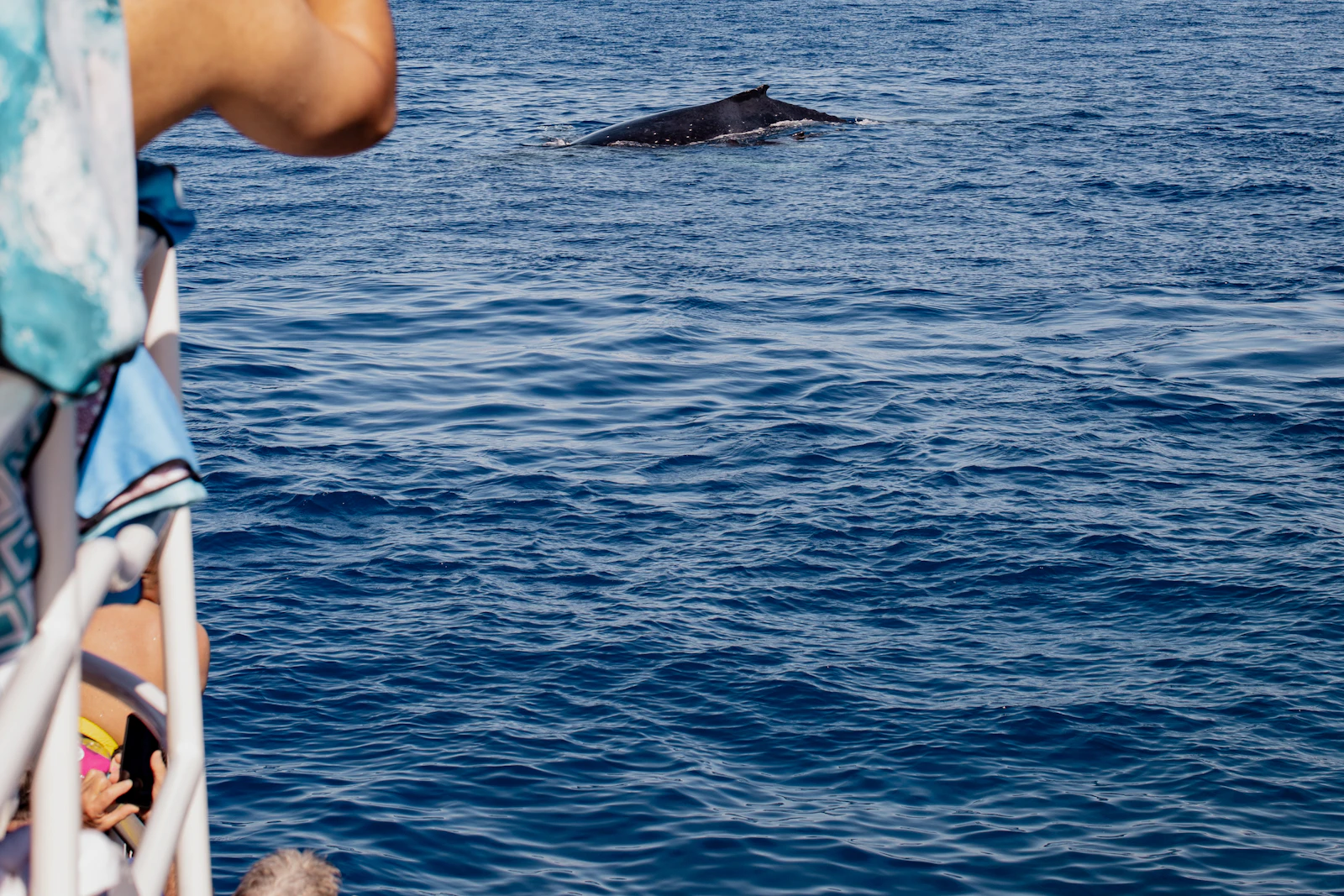
Ahoy, young sailor. Of all the wonders Cruz has seen at sea, nothing stops his heart quite like the moment a whale breaks the surface: the blow of mist, the glossy back rolling through the water, perhaps a great tail lifting towards the sky. Whale watching is pure magic. Done well, it is also kind to the animals who share their home with us. Here is how to do it right.
Choose a Responsible Operator
The single most important decision is who you sail with. Look for operators who:
- Follow local whale-watching regulations or codes of conduct, keeping a respectful distance and limiting time near the animals.
- Have certification or recognition from responsible wildlife or sustainable tourism schemes.
- Bring a naturalist or marine guide on board to explain what you are seeing.
- Never promise guaranteed sightings or contact. Wild animals do not perform on schedule.
- Do not offer swimming with or feeding wild whales and dolphins where it is not properly regulated.
Read recent reviews, and do not be afraid to ask how they approach the animals.
Pick Your Boat
- Larger boats are more stable, have toilets and shelter, and are good if you get seasick.
- Smaller boats and inflatables sit closer to the water, which feels thrilling, but they are bumpier and wetter.
- Sailing boats are quieter, which many people find a beautiful way to watch wildlife.
When and Where
Whales follow food and migration routes, so sightings vary by place and time of year. Check with local operators or official tourism sites to find out the best viewing months where you are going, and which species you might see. Mornings often have calmer seas, which makes spotting easier.
What to Bring
- Warm, windproof layers, even on sunny days. It is always cooler at sea.
- Sunglasses, ideally polarised to cut the glare, and sunscreen.
- A hat that will not blow away.
- Binoculars if you have them.
- A camera or phone with a strap, and a waterproof pouch.
- Water and a light snack.
- Seasickness remedies if you need them, taken in advance as directed.
How to Spot a Whale
- Scan the horizon slowly rather than staring at one spot.
- Look for the blow: a puff of mist rising above the water.
- Watch for splashes, birds gathering to feed, or a dark shape just under the surface.
- Listen to the crew: they will call out positions like a clock face, “whale at two o’clock”.
Be a Respectful Watcher
- Keep your voice low when animals are close.
- Never throw anything into the water.
- Do not lean out or try to touch an animal that comes near.
- Put the camera down sometimes and simply watch with your own eyes.
Photography Tips
Use a fast shutter speed or burst mode, keep both eyes open to anticipate the moment, and keep the horizon level. But do not spend the whole trip behind a screen; the memory in your heart is the best picture.
The ocean is vast and full of giants. Go gently among them, and feel how small and lucky we are. Life is amazing.
Comments
Also give your opinion.

 The Captain Look





Leave a comment