

















Clifftops and Sea Breezes: The Captain’s Guide to Coastal Path Walking
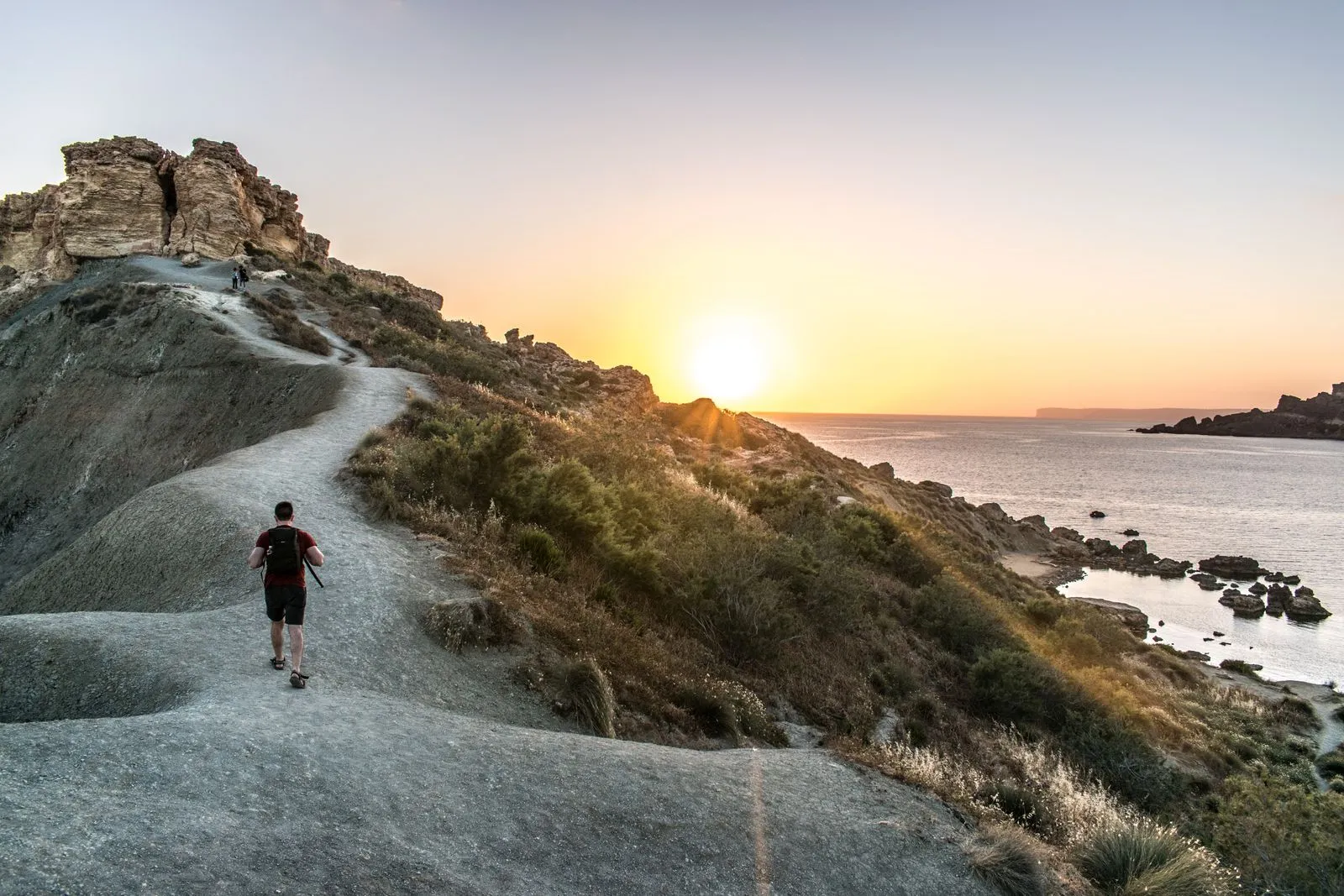
Ahoy, shipmates. Some of the finest views at sea are actually seen from land: a narrow path along the top of the cliffs, the water glittering below, gulls showing off overhead. Coastal walking is one of life’s great free pleasures, and the Captain wants you out there doing it properly, safely and with a big grin on your face.
Why the Coast Is Worth the Climb
A coastal path gives you everything at once: fresh salty air, a proper workout from all those ups and downs, and a view that changes at every bend. You don’t need special skills, only a little planning. The sea sets the rules here, so a wise walker learns to read them.
Know Your Tides Before You Go
Many coastal routes dip down onto beaches, cross rocky coves or pass the foot of cliffs. Those sections can vanish when the tide comes in.
- Check a tide table for the nearest harbour before you set off. Local tourist offices, harbour websites and tide apps all have them.
- Plan beach sections around low tide, and give yourself a generous margin either side.
- Never round a headland on a rising tide unless you’re certain there’s a way up on the other side.
- If in doubt, take the high path. The longer route is always shorter than a rescue.
Respect the Edge
Cliffs look solid, but they’re constantly being nibbled by wind and waves. Edges can crumble without warning, especially after heavy rain.
- Stay on the marked path and behind any fences, even for the perfect photo.
- Keep well back from the edge in strong wind; gusts on a clifftop can be surprisingly pushy.
- Keep dogs on a lead near drops. They don’t read warning signs either.
- Avoid sitting directly under cliffs on the beach; rocks fall from above too.
What to Pack in Your Daysack
- Proper footwear: trail shoes or light boots with grip. Coastal paths can be muddy, sandy and rocky all in one hour.
- Layers: a breathable top, a warm layer and a windproof, waterproof jacket. The coast loves a sudden change of mood.
- Water and snacks: there may be no café for miles, and climbing burns energy fast.
- Sun protection: sea breezes hide how strong the sun is. Hat, sunglasses and sunscreen, darling, as Victor would say.
- A charged phone and an offline map, plus a note of your route left with a friend.
Pace It Like a Sailor
Coastal paths are rarely flat. Short steep climbs, steps cut into the hill and sudden descents add up. Plan for a slower pace than on a flat walk, roughly two to three kilometres an hour on hilly sections, and add time for stops, because you will stop. A lot. Every bend is a postcard.
Walk uphill with short steps and steady breathing; downhill, bend your knees a little and take your time. Walking poles can be a gift to your knees on long descents.
Choosing Your First Route
- Pick a short, well-signposted section of 6 to 10 kilometres for your first outing.
- Look for routes with a bus or train link at each end, so you can walk one way and ride back.
- Choose a section with a village or beach café halfway, the perfect excuse for a mid-voyage treat.
- Ask locally: harbour masters, lifeguards and walking shops know which stretches are easy and which are wild.
Leave It Shipshape
Take your rubbish home, close gates behind you, give nesting birds and seals plenty of space, and say hello to fellow walkers. A friendly nod on a clifftop path is part of the magic.
So lace up, check that tide and point yourself toward the horizon. The sea will put on a show, the wind will tidy your thoughts, and you’ll come home salty, tired and very happy. Life is amazing, shipmate. See you on the cliffs.
Comments
Also give your opinion.

 The Captain Look




Leave a comment