

















Bouldering for Beginners: The Captain’s Guide to Your First Climbing Wall
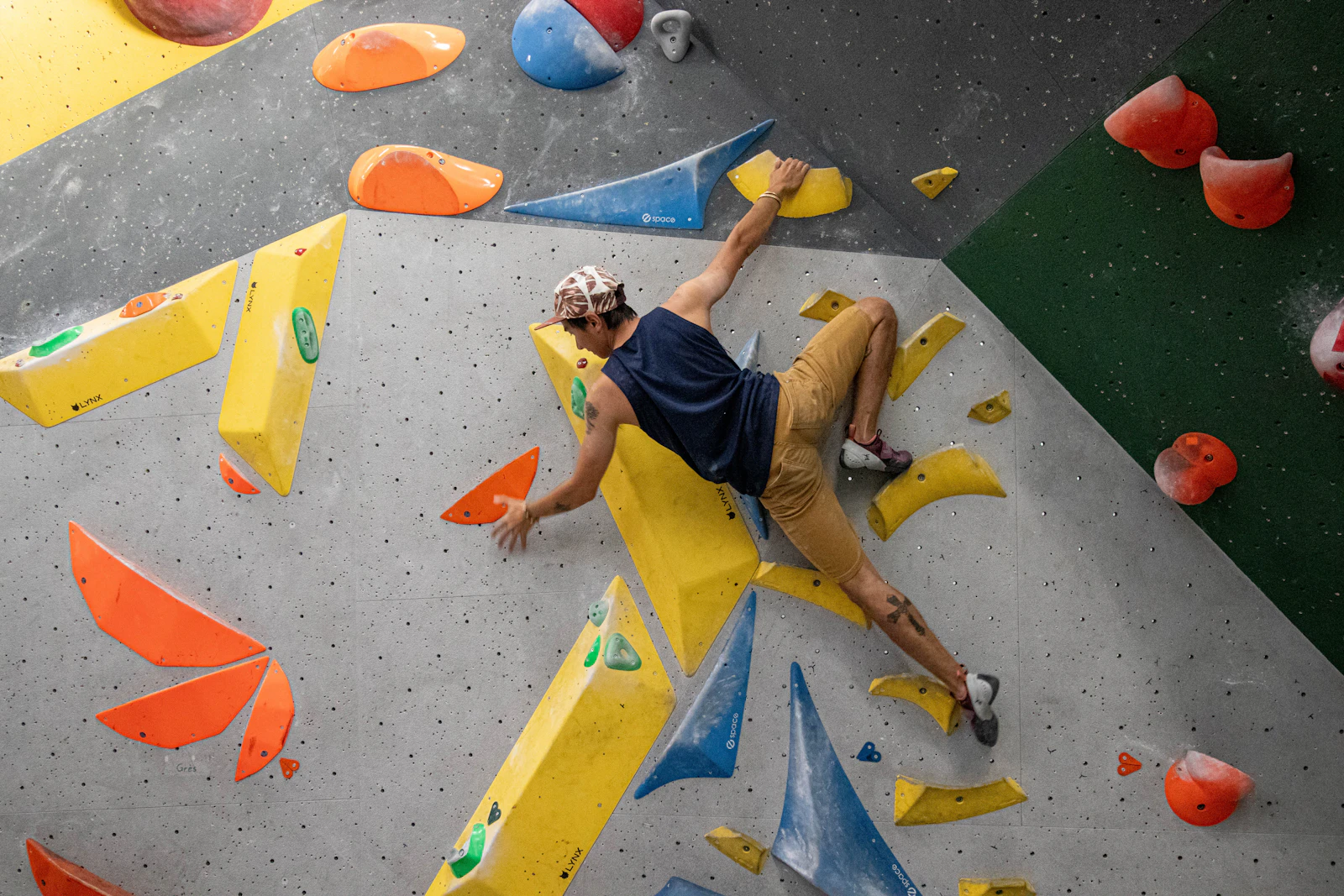
Ahoy, sailor. Bouldering is climbing stripped down to its playful essence: no ropes, no harness, just you, some colourful holds on a wall and a thick, cushy mat beneath you. Indoor bouldering gyms are friendly, social places, and a first visit is pure fun. Captain Cruz has seen many a landlubber turn into a wall-scaling legend. Here’s how to start.
What Is Bouldering, Exactly?
Boulders are short climbing routes, usually a few metres high, called “problems”. Each problem is marked by holds of one colour or by tags, and graded by difficulty. Your goal is to climb from the start holds to the top hold using only that colour. Then you climb, or jump, down onto the padded floor.
Your First Visit
- Book an induction. Most gyms ask newcomers to do a short safety briefing. Many offer beginner sessions where an instructor teaches the basics.
- Rent shoes. Climbing shoes should feel snug, but not painful. Tell staff you’re a beginner and they’ll find you a comfortable pair.
- Wear comfy clothes you can stretch in. Jewellery and watches off.
- Chalk keeps your hands dry. Most gyms sell or lend a little chalk bag.
Safety Rules That Matter
- Never walk or sit under someone climbing. The mat below a climber is a landing zone.
- Climb down when you can. Downclimbing, or at least lowering yourself to a safe height before letting go, protects your joints.
- Fall well. Land on both feet with soft knees, then roll back onto your bottom and back. Don’t try to catch yourself with straight arms.
- One climber per problem at a time, and watch out that your route doesn’t cross someone else’s.
Beginner Technique Tips
- Climb with your legs. Your legs are far stronger than your arms. Push up with them rather than pulling with your arms.
- Keep arms straight. Hanging on straight arms uses your skeleton, not your muscles, so you tire more slowly.
- Look before you leap. Read the problem from the ground. Plan where your hands and feet will go.
- Place your feet precisely. Use the front of your shoe, near your big toe, and watch your foot onto every hold.
- Hips close to the wall. It keeps your weight over your feet.
Pace Yourself
Bouldering is surprisingly tiring for your fingers, forearms and skin. Start with the easiest grades, rest a few minutes between attempts and keep your first sessions to about an hour. Stop before your forearms are completely burnt out; tired hands are when tweaks happen. Warm up with easy climbs and some gentle arm, shoulder and finger mobility.
The Social Side
Here’s the secret: bouldering is wonderfully social. People rest on the mats, chat between attempts, share beta (climbing lingo for tips on how to solve a problem) and cheer each other on. Many cities even host queer climbing nights, a joyful way to meet new friends with a shared hobby.
Chalk up, look up, and give that first wall a go. You might fall a few times, and you’ll laugh every time. Life is amazing, sailor.
Comments
Also give your opinion.

 The Captain Look






Leave a comment